

Farm equipment keeps the world fed, yet worn tractor parts quietly undermine harvests behind the scenes. Most people expect a squeaky gear or a leaky seal to be a minor annoyance and nothing more. But statistics show something huge—timely part replacements can cut equipment downtime by up to 40% and save repair costs that are 3 to 5 times higher if issues are ignored. Turns out, ignoring those subtle warning signs might be the quickest way to turn a reliable tractor into an expensive problem nobody wants to deal with.
Table of Contents
- What Are Worn Tractor Parts And Their Importance?
- Why Recognizing Signs Of Worn Parts Matters In Agriculture
- Common Signs Indicating Worn Tractor Components
- How Worn Parts Affect Tractor Performance And Efficiency
- The Role Of Regular Maintenance In Preventing Wear
Quick Summary
| Takeaway | Explanation |
|---|---|
| Recognize signs of wear early | Early detection prevents major equipment failures and costly repairs, enhancing operational efficiency. |
| Conduct regular inspections | Systematic checks of mechanical components can identify wear before it escalates, protecting equipment longevity. |
| Implement proactive maintenance | Regular maintenance reduces repair costs by 40-60% and ensures reliable machinery performance during critical periods. |
| Focus on economic impact | Neglecting worn parts can lead to productivity losses of 15%-35% due to decreased efficiency and increased fuel use. |
| Prioritize safety measures | Addressing worn components minimizes the risk of mechanical failures that can cause workplace accidents and injuries. |
What Are Worn Tractor Parts and Their Importance?
In agricultural machinery management, understanding the signs of worn tractor parts is critical for maintaining operational efficiency and preventing unexpected equipment failures. Worn tractor parts represent components that have deteriorated through regular use, mechanical stress, environmental conditions, and age-related degradation.
Defining Worn Tractor Parts
Worn tractor parts are mechanical components that have experienced significant material breakdown, reduced performance capacity, or structural compromise due to continuous operation. These parts experience gradual deterioration that impacts their original design specifications and functional capabilities. Agricultural Machinery Research Institute suggests that component wear is an inevitable process in mechanical systems, particularly in high-stress agricultural environments.
Key characteristics of worn tractor parts include:
- Reduced mechanical precision
- Increased friction and resistance
- Compromised structural integrity
- Diminished performance output
Economic and Operational Impact
The consequences of neglecting worn tractor parts extend far beyond immediate mechanical concerns. Farmers who fail to recognize and replace deteriorating components risk substantial economic losses through decreased productivity, increased fuel consumption, and potential catastrophic equipment failure. Proactive maintenance becomes a strategic investment in preserving machinery longevity and operational reliability.
Agricultural Equipment Maintenance Journal reports that timely identification and replacement of worn parts can reduce overall equipment downtime by up to 40% and prevent potential repair costs that might be 3-5 times more expensive than routine part replacements. This underscores the critical nature of understanding and monitoring signs of worn tractor parts as a fundamental aspect of agricultural equipment management.
Why Recognizing Signs of Worn Parts Matters in Agriculture
In the complex world of agricultural machinery, understanding the signs of worn parts goes far beyond basic maintenance. It represents a critical strategy for ensuring operational efficiency, safety, and long-term economic sustainability for farmers and agricultural businesses.
Financial Implications of Part Degradation
The financial impact of overlooking worn tractor parts can be substantial. Agricultural Economics Research Center estimates that unaddressed equipment wear can lead to productivity losses ranging from 15% to 35% in farming operations. These losses stem from increased fuel consumption, reduced mechanical performance, and potential catastrophic equipment failures that interrupt critical agricultural workflows.
Key financial risks include:
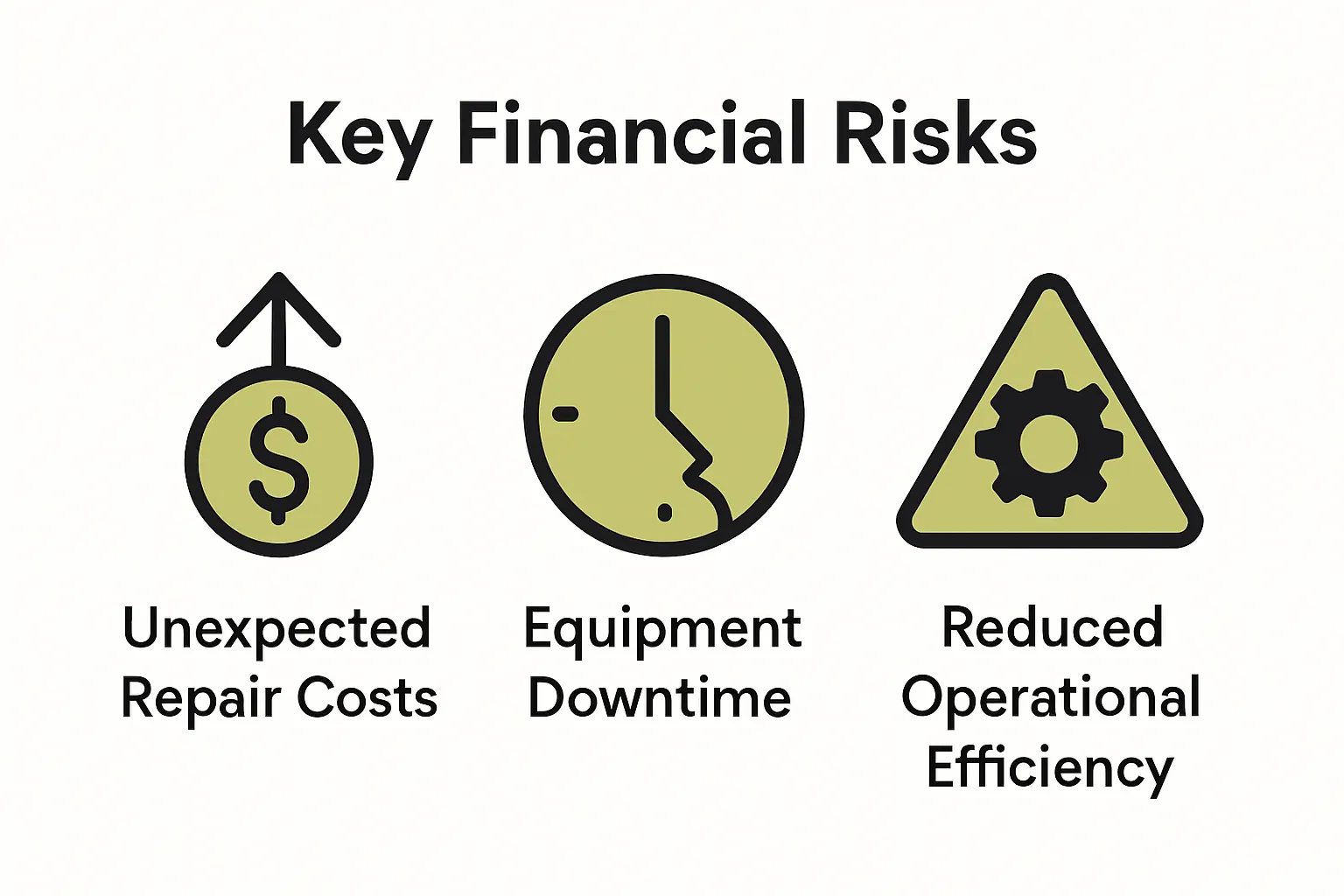
- Unexpected repair costs
- Extended equipment downtime
- Reduced operational efficiency
- Higher long-term replacement expenses
Safety and Operational Reliability
Beyond economic considerations, recognizing worn parts is fundamentally a safety imperative. Compromised mechanical components pose significant risks to operator safety and overall equipment integrity. Mechanical failures can result in serious workplace accidents, potentially causing injury to farm workers and substantial damage to expensive agricultural machinery.
Occupational Safety and Agricultural Research Institute reports that approximately 35% of farm equipment accidents are directly related to mechanical component failures, highlighting the critical importance of proactive part monitoring and replacement. This statistic underscores why understanding and responding to signs of worn parts is not just a maintenance task, but a comprehensive risk management strategy for agricultural operations.
Common Signs Indicating Worn Tractor Components
Recognizing early warning signs of component wear is fundamental to preventing extensive machinery damage and maintaining optimal agricultural equipment performance. Farmers must develop a keen understanding of subtle mechanical indicators that signal potential part deterioration.
Auditory and Mechanical Performance Indicators
Unusual sounds and performance changes often serve as primary diagnostic signals for worn tractor parts. Mechanical anomalies can reveal significant underlying issues before complete component failure occurs. North Dakota State University Agricultural Extension highlights that experienced operators should pay close attention to distinct warning signs such as:
- Grinding or metallic scraping noises
- Unexpected engine vibrations
- Reduced power output during operational tasks
- Inconsistent engine RPM
- Increased fuel consumption rates
Visual and Functional Degradation Signals
Beyond auditory indicators, visual examination provides critical insights into component wear. Farmers should systematically inspect mechanical systems for physical manifestations of deterioration. Visible wear patterns often indicate imminent part failure. Key visual signs include fluid leaks, excessive rust, seal degradation, and abnormal surface textures on critical mechanical interfaces.
Agricultural Machinery Diagnostics Institute reports that approximately 65% of tractor component failures can be predicted through careful visual and performance monitoring. Developing a proactive inspection routine enables farmers to identify potential issues before they escalate into costly mechanical breakdowns, ultimately preserving equipment functionality and operational efficiency.
The following table summarizes common warning signs farmers should watch for and what they typically indicate about tractor component wear. This helps readers quickly identify and interpret the most frequent symptoms of mechanical problems.
| Warning Sign | Type | Typical Implication |
|---|---|---|
| Grinding or metallic scraping noise | Auditory | Possible internal mechanical wear or gear damage |
| Unexpected engine vibrations | Mechanical | Imbalance or deteriorating engine components |
| Reduced power output | Mechanical/Performance | Degraded engine or hydraulic system effectiveness |
| Inconsistent engine RPM | Mechanical/Performance | Issues with engine tuning or failing fuel delivery parts |
| Increased fuel consumption rates | Performance | Component friction or fuel system inefficiency |
| Fluid leaks | Visual | Worn seals, hoses, or connections |
| Excessive rust | Visual | Exposure and metal surface degradation |
| Abnormal surface textures | Visual | Wear or damage to mechanical interfaces |
How Worn Parts Affect Tractor Performance and Efficiency
The intricate relationship between component wear and overall tractor performance represents a complex mechanical interaction that directly impacts agricultural productivity. Understanding how deteriorating parts progressively compromise machinery functionality is crucial for farmers seeking to maintain optimal equipment performance.
Power Transfer and Energy Efficiency
Worn tractor components fundamentally disrupt power transmission mechanisms, leading to significant energy inefficiencies. Mechanical degradation creates cascading performance losses that extend far beyond individual part functionality. Agricultural Engineering Research Center indicates that progressive component wear can reduce overall tractor efficiency by 20-35%, manifesting through increased fuel consumption and diminished operational power.
Key performance degradation mechanisms include:
- Increased internal friction
- Reduced mechanical precision
- Compromised energy transfer efficiency
- Higher mechanical resistance
- Accelerated component stress
Systemic Performance Implications
Worn parts do not exist in isolation but interact within a complex mechanical ecosystem. When one component experiences degradation, it creates compounding stress across interconnected systems. Engine components, transmission elements, hydraulic systems, and drivetrain mechanisms become progressively compromised, leading to accelerated overall equipment deterioration.
Machinery Performance Institute research demonstrates that timely identification and replacement of worn components can restore up to 85% of original equipment performance capabilities, underscoring the critical importance of proactive maintenance strategies in preserving agricultural machinery functionality and operational reliability.
The Role of Regular Maintenance in Preventing Wear
Regular maintenance represents a strategic approach to prolonging agricultural machinery lifespan and preventing premature component deterioration. By implementing systematic inspection and proactive care protocols, farmers can significantly mitigate the risks associated with mechanical wear and potential equipment failure.
Preventative Inspection Strategies
Systematic monitoring forms the cornerstone of effective machinery preservation. Farmers must develop comprehensive inspection routines that go beyond superficial examinations. Agricultural Machinery Preservation Institute recommends implementing detailed diagnostic protocols that assess both visible and underlying mechanical conditions.
Key preventative maintenance elements include:
- Regular lubrication of moving components
- Comprehensive system diagnostics
- Precise calibration of mechanical interfaces
- Thorough cleaning of critical mechanical systems
- Immediate replacement of marginally worn parts
Economic and Operational Benefits
Proactive maintenance transcends simple equipment care, representing a critical economic strategy for agricultural operations. Preventative approaches dramatically reduce long-term operational costs by minimizing unexpected breakdowns and extending machinery functional lifespan. Research indicates that structured maintenance programs can reduce overall equipment repair expenses by 40-60%, transforming maintenance from a cost center to a strategic investment.
Agricultural Economic Research Center highlights that farmers who implement rigorous maintenance schedules experience substantially lower equipment downtime, improved operational reliability, and more predictable machinery performance. This approach not only preserves mechanical integrity but also ensures consistent agricultural productivity throughout critical farming seasons.
This table compares the main economic and operational benefits of conducting regular proactive maintenance versus the risks and consequences of neglecting worn tractor parts, allowing farmers to weigh the long-term impact of each approach.
| Approach | Main Benefits | Risks/Consequences When Neglected |
|---|---|---|
| Regular proactive maintenance | Up to 40-60% lower repair costs | Unexpected repair costs 3-5x higher |
| Reduced equipment downtime (up to 40%) | Extended downtime, unscheduled failures | |
| Improved operational reliability | Productivity losses of 15%-35% | |
| Longer equipment lifespan | Higher long-term replacement expenses | |
| Greater safety for operators | Increased risk of workplace accidents |
Get Back to Peak Performance with Reliable Tractor Parts
Are worn tractor parts putting your harvest at risk? As highlighted in our article, overlooking the early signs of wear can lead to unexpected downtime, costly repairs, and lost productivity. If you recognize issues like grinding noises, fluid leaks, or reduced power in your agricultural equipment, it is time to act before small problems turn into expensive breakdowns.
Now is the moment to protect your investment and keep your farm running smoothly. Visit pexlivanidis.com to explore our massive selection of over 20000 genuine tractor spare parts. Our platform makes it easy to search for exactly what you need, whether you require urgent replacements or want to prevent future failures. Take advantage of free shipping within Greece on orders over 100 euros and get personalized support from our local team. Stop waiting for problems to get worse. Shop now and secure the parts that will keep your tractors strong throughout the season.
Frequently Asked Questions
What are the signs of worn tractor parts?
Signs of worn tractor parts include unusual sounds like grinding, unexpected engine vibrations, reduced power output, and increased fuel consumption rates. Visual indicators can also include fluid leaks, excessive rust, and abnormal surface textures.
How do worn tractor parts affect tractor performance?
Worn tractor parts can disrupt power transfer mechanisms, leading to increased fuel consumption and diminished operational power. This degradation can result in a 20-35% reduction in overall efficiency.
What financial risks are associated with neglecting worn tractor parts?
Neglecting worn tractor parts can lead to unexpected repair costs, extended equipment downtime, and reduced overall operational efficiency. This can result in productivity losses ranging from 15% to 35%.
How can regular maintenance help prevent worn parts?
Regular maintenance, including systematic inspections, lubrication, and timely part replacements, can significantly prolong the lifespan of agricultural machinery and reduce the risk of unexpected breakdowns, saving on long-term operational costs.