

Over ninety percent of global food production relies on some form of agricultural machinery. These machines have reshaped farming, making it possible to feed entire populations with less manual labor. As farms grow more advanced, understanding how tractors and specialized equipment drive efficiency can make a real difference for anyone interested in agriculture or rural business. The right knowledge helps you make informed decisions about technology, safety, and practical farm management.
Table of Contents
- Defining Agricultural Machinery and Key Concepts
- Major Types of Agricultural Machinery Equipment
- Typical Features and Working Mechanisms
- Common Uses in Modern Farming Operations
- Ownership Responsibilities and Safety Risks
- Cost Considerations and Maintenance Tips
Key Takeaways
| Point | Details |
|---|---|
| Technological Backbone | Agricultural machinery enhances farming efficiency, transitioning from manual labor to advanced mechanized operations. |
| Core Machinery Role | Tractors serve as the main power source, facilitating various critical tasks from soil preparation to harvesting. |
| Precision Agriculture Impact | Modern machinery integrates technology like GPS and sensors, enabling data-driven decision-making and sustainable practices. |
| Investment and Maintenance | Understanding costs and developing routine maintenance strategies are essential for maximizing machinery longevity and performance. |
Defining Agricultural Machinery and Key Concepts
Agricultural machinery represents the technological backbone of modern farming, transforming traditional agricultural practices through mechanical innovation. According to Wikipedia, these mechanical devices range from simple hand tools to complex powered equipment designed to enhance farming efficiency and productivity.
At the core of agricultural machinery is the tractor, a versatile vehicle engineered to perform multiple critical farming functions. Wikipedia describes tractors as specialized vehicles capable of delivering high tractive effort at slow speeds, serving as a primary power source for numerous farming implements. These machines are fundamental in mechanizing essential agricultural tasks such as:
- Plowing agricultural land
- Tilling soil
- Planting crops
- Harvesting produce
- Transporting agricultural materials
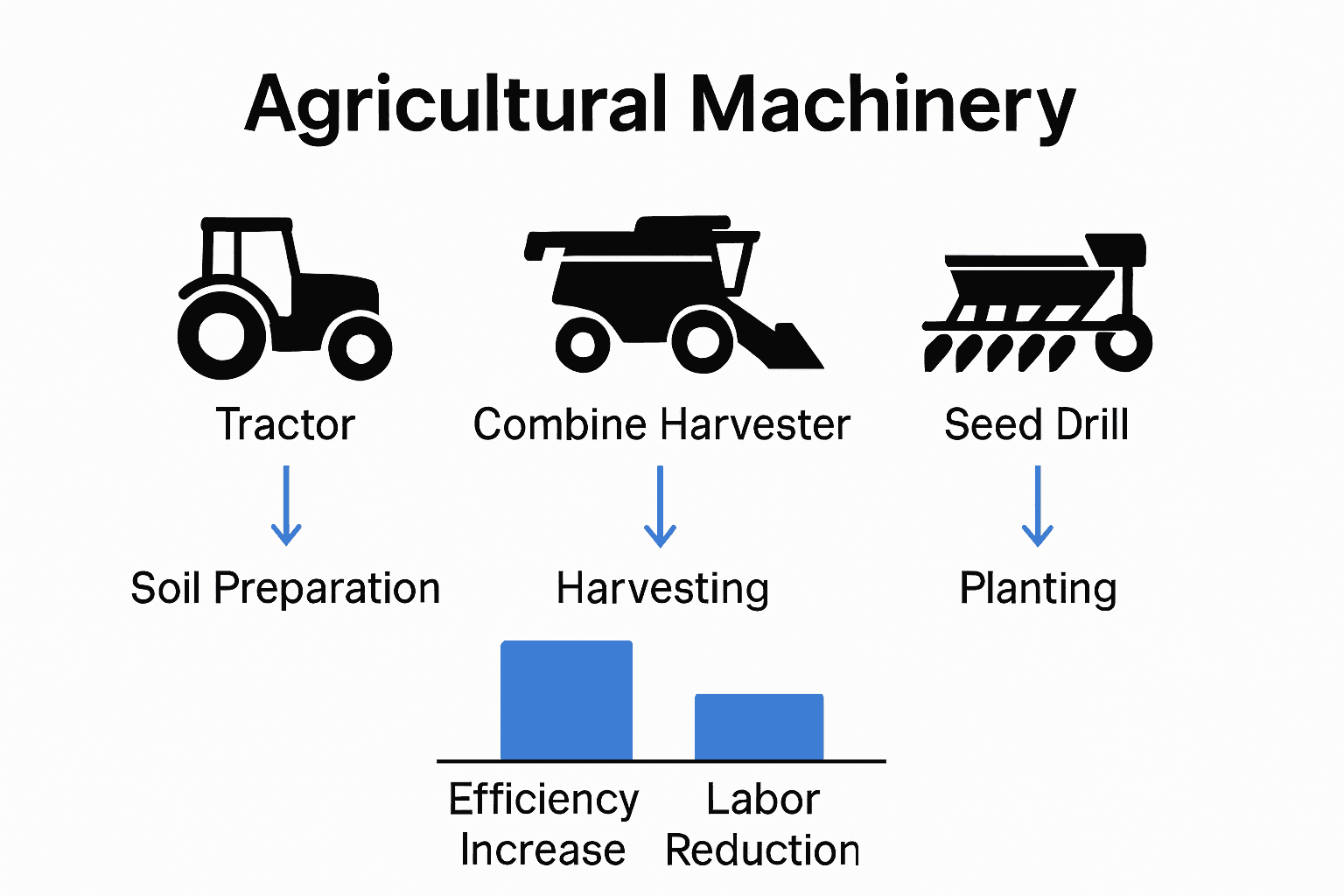
Beyond tractors, agricultural machinery encompasses a diverse ecosystem of specialized equipment tailored to specific farming needs. This includes precision tools like seed drills, combine harvesters, irrigation systems, and advanced monitoring technologies that collectively transform manual labor into streamlined, data-driven agricultural operations. Modern farmers rely on these machines to optimize land use, increase crop yields, and reduce physical strain associated with traditional farming methods.
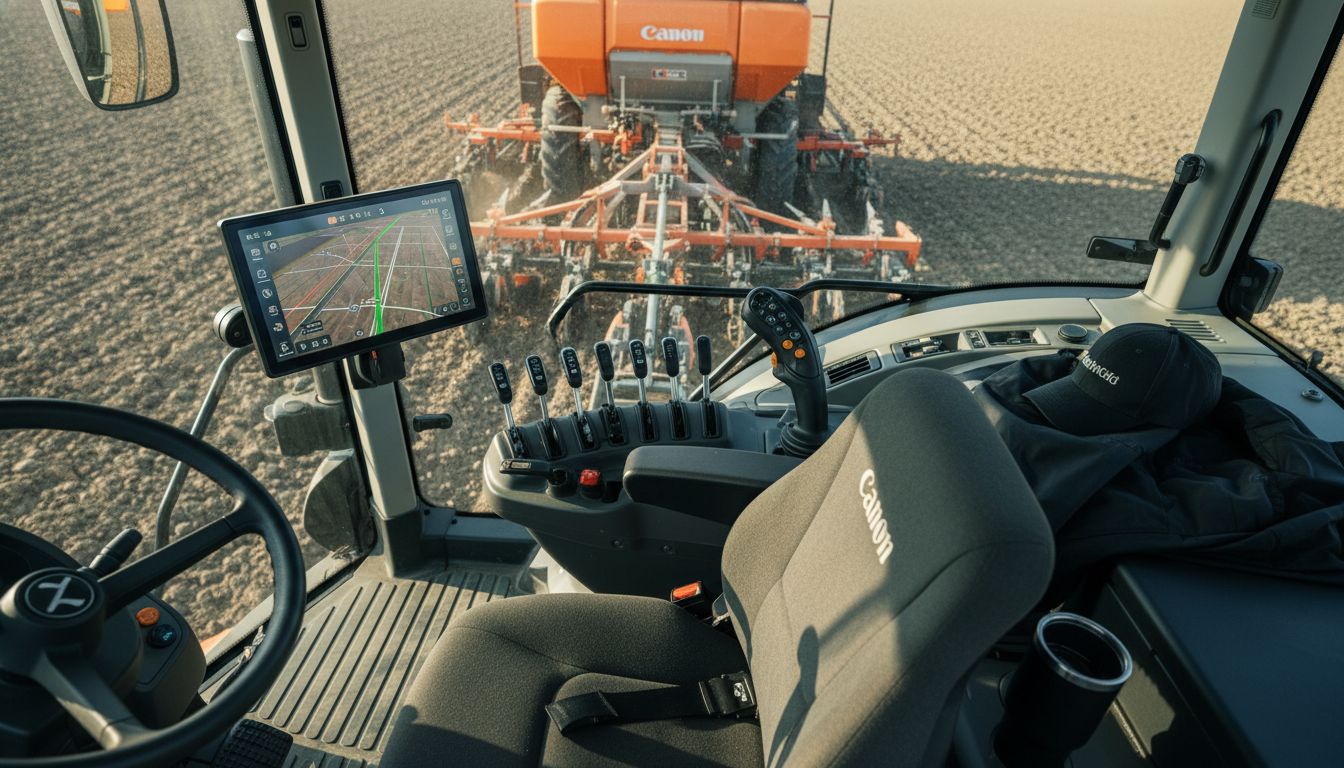
The evolution of agricultural machinery represents a significant technological leap, enabling farmers to cultivate larger areas more efficiently and sustainably. From basic mechanical interventions to today’s GPS-guided and computer-controlled systems, these machines continue to revolutionize how we approach food production and agricultural management.
Major Types of Agricultural Machinery Equipment
According to Wikipedia, agricultural machinery encompasses several critical equipment types, each designed for specific farming tasks. The primary categories represent a technological ecosystem that transforms agricultural productivity, enabling farmers to manage complex farming operations with precision and efficiency.
Tractors stand as the foundational machinery in agricultural operations. Wikipedia highlights their versatility, describing them as adaptable machines capable of pulling or pushing various implements across different farming stages. These powerful vehicles serve multiple critical functions:
- Pulling plows for soil preparation
- Pushing harrows to break up soil
- Connecting with seeders for precise planting
- Facilitating harvesting operations
- Transporting heavy agricultural materials
Beyond tractors, other essential agricultural machinery types include combines, specialized machines designed for harvesting grain crops, and seed drills that enable precise crop planting. Sprayers play a crucial role in crop management, allowing farmers to apply fertilizers, pesticides, and other agricultural chemicals with remarkable accuracy. Harvesters represent another technological marvel, engineered to collect mature crops efficiently, dramatically reducing manual labor and increasing overall agricultural productivity.
Here’s a comparison of major types of agricultural machinery and their primary uses:
| Machinery Type | Main Function | Typical Tasks |
|---|---|---|
| Tractor | Multi-purpose power source | Plowing Planting Transporting materials |
| Combine Harvester | Grain harvesting | Cutting Threshing Cleaning grains |
| Seed Drill | Precision planting | Sowing seeds evenly Depth control |
| Sprayer | Crop protection | Applying fertilizers Applying pesticides |
| Harrow | Soil preparation | Breaking up soil Leveling fields |
| Baler | Material handling | Collecting straw Producing hay bales |
The sophistication of modern agricultural machinery reflects continuous technological innovation.
Contemporary equipment integrates advanced features like GPS guidance, computer-controlled systems, and precision sensors, transforming farming from a traditional labor-intensive practice into a data-driven, highly efficient industry. These machines not only enhance productivity but also contribute to sustainable agricultural practices by optimizing resource utilization and minimizing environmental impact.
Typical Features and Working Mechanisms
Agricultural machinery operates through complex mechanical systems designed to transform raw power into precise agricultural functionality. According to Wikipedia, these machines fundamentally convert fuel into mechanical energy, enabling efficient performance of critical farming tasks such as soil cultivation, planting, and harvesting.
Wikipedia reveals that tractors exemplify this mechanical complexity, featuring key components that enable sophisticated agricultural operations. These machines typically incorporate:
- Powerful internal combustion engines
- Large rear wheels with enhanced traction
- Hydraulic power transmission systems
- Advanced control mechanisms
- Specialized attachment points for implements
The working mechanism of agricultural machinery centers on power transmission and force conversion. Engines generate rotational energy that gets transferred through complex drivetrain systems, allowing machines to perform intricate tasks with remarkable precision. Hydraulic systems play a crucial role, enabling operators to control implement depth, angle, and pressure with minimal physical effort. This technological sophistication allows farmers to manage large agricultural areas with unprecedented efficiency.
Modern agricultural machinery increasingly integrates digital technologies, transforming traditional mechanical systems into intelligent, data-driven platforms. Sensors, GPS guidance, and computer-controlled systems now complement mechanical components, enabling real-time monitoring, automated adjustments, and precision agriculture techniques. These advanced features not only improve operational efficiency but also contribute to more sustainable farming practices by optimizing resource utilization and minimizing environmental impact.
Common Uses in Modern Farming Operations
Wikipedia highlights that modern agricultural machinery has revolutionized farming by mechanizing critical operational tasks across multiple agricultural domains. The integration of sophisticated equipment has transformed traditional farming practices, enabling farmers to accomplish complex tasks with unprecedented efficiency and precision.
Wikipedia emphasizes that tractors serve as the cornerstone of modern agricultural operations, performing a diverse range of critical functions:
- Soil Preparation: Plowing and tilling fields
- Crop Management: Planting seeds with precision
- Crop Protection: Applying fertilizers and pesticides
- Harvesting: Collecting mature crops
- Material Transportation: Moving agricultural products
Beyond traditional tasks, agricultural machinery now plays a pivotal role in precision agriculture. Advanced equipment integrates GPS technologies, sensors, and data analytics to optimize farming practices. These intelligent systems enable farmers to make data-driven decisions about crop management, resource allocation, and environmental sustainability. For instance, modern machinery can precisely map field conditions, monitor crop health, and adjust farming strategies in real-time, dramatically reducing waste and improving overall agricultural productivity.
The evolution of agricultural machinery reflects a broader transformation in farming from a labor-intensive practice to a technology-driven industry. Contemporary agricultural operations leverage sophisticated equipment to address global challenges like food security, resource conservation, and sustainable agricultural practices. By combining mechanical power with advanced digital technologies, farmers can now cultivate larger areas more efficiently, produce higher yields, and minimize environmental impact.
Ownership Responsibilities and Safety Risks
Agricultural machinery ownership demands comprehensive understanding of safety protocols and operational responsibilities. Wikipedia emphasizes that owners must prioritize regular maintenance, safety training, and strict adherence to operational guidelines to prevent potential workplace accidents and equipment damage.
Wikipedia highlights critical safety responsibilities for agricultural machinery owners, which include:
- Conducting routine equipment inspections
- Maintaining proper mechanical condition
- Providing comprehensive operator training
- Implementing safety protocols
- Ensuring compliance with industry regulations
The most significant safety risks in agricultural machinery operations stem from complex mechanical interactions and challenging environmental conditions. Potential hazards include entanglement in moving parts, potential rollovers, mechanical failures, and accidents caused by operator fatigue or inadequate training. Modern safety approaches emphasize preventative strategies such as mandatory protective equipment, regular machine diagnostics, and continuous operator education to mitigate these inherent risks.
Beyond immediate operational safety, machinery owners must also consider long-term liability and insurance requirements. This involves maintaining detailed maintenance records, implementing systematic safety protocols, and ensuring that all operators possess appropriate certifications and training. By treating agricultural machinery as precision equipment requiring professional management, farmers can significantly reduce workplace accidents, extend equipment lifespan, and create a culture of safety and operational excellence.
Cost Considerations and Maintenance Tips
Agricultural machinery investments represent significant financial commitments for farmers and agricultural businesses. Wikipedia underscores that equipment costs vary dramatically based on technological complexity, size, and specific operational requirements, making strategic financial planning crucial for potential buyers.
Wikipedia highlights key factors influencing machinery expenses and maintenance strategies:
- Initial purchase price dependent on horsepower and features
- Ongoing maintenance and operational costs
- Replacement part expenses
- Technological sophistication of equipment
- Potential long-term performance and durability
Effective maintenance strategies are fundamental to protecting machinery investments and ensuring optimal performance. Regular servicing involves comprehensive approaches such as systematic lubrication, precise filter replacements, thorough mechanical inspections, and proactive component management. Farmers should develop detailed maintenance schedules that account for manufacturer recommendations, operational intensity, and environmental conditions to maximize equipment longevity and minimize unexpected repair costs.
Beyond routine maintenance, smart financial management of agricultural machinery requires holistic thinking. This includes evaluating total cost of ownership, considering potential technological upgrades, understanding depreciation rates, and exploring financing or leasing options. Successful agricultural operations view machinery not just as tools, but as strategic assets requiring careful financial planning, continuous professional development, and a commitment to technological adaptation.
Get the Most from Your Agricultural Machinery Today
Understanding agricultural machinery is crucial to boost your farm’s productivity and safety. Whether you are dealing with tractors, seed drills, or harvesters, maintaining your equipment and having access to reliable spare parts can save you time, money, and frustration. The insights from the guide emphasize how important it is to keep your machinery in top condition and utilize the right accessories for peak performance.
Don’t let unexpected breakdowns slow down your operations. At pexlivanidis.com, we offer a vast selection of tractor accessories and spare parts designed to fit your needs. Benefit from our extensive inventory of over 20,000 items with free shipping on orders over 100€ within Greece. Explore our product listings today, and join the many farmers and businesses in Thessaloniki, Kavala, and the surrounding areas who trust us for their agricultural machinery support. Take control of your equipment’s efficiency now by visiting pexlivanidis.com and find exactly what you need to keep your farm running smoothly.
Frequently Asked Questions
What are the main types of agricultural machinery?
Agricultural machinery includes various types such as tractors, combines, seed drills, sprayers, harvesters, and balers. Each type is designed for specific tasks essential to farming operations, enhancing efficiency and productivity.
How do tractors benefit modern farming practices?
Tractors are versatile and serve multiple functions, including plowing, planting, harvesting, and transporting agricultural materials. Their powerful engines and adaptability make them essential for effective and efficient farming.
What are the key safety responsibilities for owners of agricultural machinery?
Owners must conduct routine equipment inspections, maintain mechanical conditions, provide operator training, implement safety protocols, and comply with industry regulations to minimize risks and enhance safety during operations.
How can I maintain agricultural machinery to ensure optimal performance?
Regular maintenance should include systematic lubrication, filter replacements, thorough inspections, and proactive component management. Developing a detailed maintenance schedule based on manufacturer recommendations and operational intensity is crucial for maximizing equipment longevity.