

Keeping farm equipment in top shape might seem routine and predictable, but the stakes are much higher than most realize. A single machinery breakdown can set a farm back days and lead to unexpected costs in the thousands. Yet fewer than 40 percent of farmers keep detailed maintenance records for their machinery, risking bigger breakdowns and lower crop yields. Most think an occasional oil check covers it all, but the real difference comes from a systematic and proactive approach that saves time, money, and even crops.
Table of Contents
- Step 1: Gather Necessary Tools And Equipment
- Step 2: Perform Regular Inspections And Cleanings
- Step 3: Conduct Routine Maintenance Checks
- Step 4: Troubleshoot Common Mechanical Issues
- Step 5: Document Care And Maintenance Records
Quick Summary
| Key Point | Explanation |
|---|---|
| 1. Assemble Essential Tools | Gather precision measurement, cleaning, and protective equipment to ensure effective maintenance of agricultural machinery. |
| 2. Conduct Regular Inspections | Implement a systematic inspection process to catch early signs of wear and prevent mechanical failures. |
| 3. Maintain Detailed Records | Document every maintenance activity comprehensively to enhance equipment management and predict future needs. |
| 4. Perform Routine Maintenance Checks | Schedule routine evaluations based on manufacturer guidelines to optimize machinery performance and longevity. |
| 5. Troubleshoot with Precision | Use diagnostic tools to identify issues systematically, ensuring accurate repairs and minimizing downtime. |
Step 1: Gather Necessary Tools and Equipment
Preparing for comprehensive agricultural machinery care requires strategic tool selection and organized preparation. Before diving into maintenance, assembling the right equipment determines the efficiency and success of your entire maintenance process.
Essential Tool Categories
Your primary toolkit for agricultural machinery maintenance should include multiple strategic components. Start with precision measurement tools like digital calipers, torque wrenches, and micrometers. These instruments help you assess mechanical tolerances and ensure precise adjustments. Next, focus on cleaning and inspection equipment including industrial-grade degreasers, compressed air systems, bright LED work lights, and high-quality inspection mirrors that allow detailed visual examination of hard-to-reach machinery components.
Mechanical protection becomes crucial during maintenance. Invest in heavy-duty work gloves that provide chemical resistance and tactile sensitivity. Safety glasses with impact protection and sturdy steel-toed boots complete your personal protective equipment. Purchasing professional-grade tools from reputable manufacturers ensures longevity and reliability during complex maintenance procedures.
Specialized Maintenance Toolkit
Beyond basic tools, specialized agricultural machinery maintenance requires specific equipment. A comprehensive socket set with metric and standard sizes, adjustable wrenches, hydraulic jack stands, and precision lubricant applicators become fundamental. Professional mechanics recommend having dedicated tool sets for different machinery types. Electrical diagnostic scanners, multimeters, and pressure testing kits help diagnose complex mechanical and electrical system issues.
Organize your tools systematically using professional tool chests or modular storage systems. This approach minimizes time spent searching for specific tools and prevents potential damage from improper storage. Consider investing in a mobile tool cart that allows easy transportation between different agricultural machinery units, streamlining your maintenance workflow.
Verify your toolkit’s completeness by cross-referencing manufacturer maintenance manuals and consulting experienced agricultural machinery technicians. Each machinery type might require unique specialized tools, so always research specific requirements beforehand. Proper preparation transforms maintenance from a challenging task into a systematic, efficient process.
Here is a tools and equipment table outlining the essential categories, example tools, and their main purposes as described in the machinery care guide.
| Tool Category | Example Tools | Main Purpose |
|---|---|---|
| Precision Measurement | Digital calipers, torque wrenches, micrometers | Assess tolerances, enable accurate adjustments |
| Cleaning & Inspection | Industrial degreasers, LED work lights, mirrors | Remove dirt, improve visibility of components |
| Mechanical Protection | Heavy-duty gloves, safety glasses, steel-toed boots | Ensure safety during maintenance procedures |
| Specialized Maintenance | Socket sets, hydraulic jack stands, lube applicators | Enable complex repairs, support various machinery |
| Electrical Diagnostics | Multimeters, diagnostic scanners, pressure testers | Troubleshoot electrical/hydraulic issues |
| Tool Storage & Mobility | Professional tool chests, mobile tool carts | Organize and transport tools efficiently |
Step 2: Perform Regular Inspections and Cleanings
Regular inspections and thorough cleanings form the cornerstone of effective agricultural machinery maintenance. This critical step prevents potential mechanical failures, extends equipment lifespan, and ensures optimal performance across complex agricultural operations.
Begin your inspection process by establishing a systematic approach that covers every mechanical component. Start with visual assessments, examining external surfaces for signs of wear, corrosion, or damage. Surface-level evaluations reveal early warning signs that might indicate deeper mechanical issues. Pay close attention to areas prone to accumulating dirt, debris, and agricultural residue such as wheel wells, undercarriage sections, and hydraulic connection points.
Utilize compressed air systems and specialized industrial degreasers to remove accumulated grime and organic materials. Work methodically from top to bottom, ensuring thorough cleaning without forcing contaminants deeper into mechanical systems. Professional technicians recommend using microfiber cloths and soft-bristled brushes that effectively clean surfaces without scratching or causing additional wear. Rotate machinery during cleaning to access hard-to-reach areas, systematically removing dirt from intricate mechanical components.
Comprehensive Inspection Techniques
Beyond surface cleaning, conduct detailed mechanical inspections that go beneath external appearances. Check hydraulic lines for potential leaks, inspect electrical connections for corrosion or wear, and evaluate moving parts for unusual resistance or unexpected play. Lubrication points require special attention test moving joints and pivot points for smooth operation. Use diagnostic tools like digital multimeters and pressure testing equipment to identify potential internal mechanical stress points that might not be visible during standard visual examinations.
Document your inspection findings meticulously. Create a standardized inspection log that tracks equipment condition, identifies potential maintenance requirements, and establishes a historical record of machinery performance. This documentation becomes invaluable for predicting future maintenance needs and tracking equipment health over extended periods.
Agricultural Machinery Association recommends establishing a consistent inspection schedule aligned with manufacturer guidelines and actual equipment usage. Machines operating in challenging environments like dusty fields or regions with extreme temperature variations might require more frequent inspections. Develop a proactive maintenance strategy that anticipates potential issues before they escalate into costly mechanical failures.
Step 3: Conduct Routine Maintenance Checks
Routine maintenance checks represent the strategic heartbeat of agricultural machinery longevity and performance. These systematic evaluations prevent unexpected breakdowns, optimize operational efficiency, and protect significant financial investments in complex agricultural equipment.
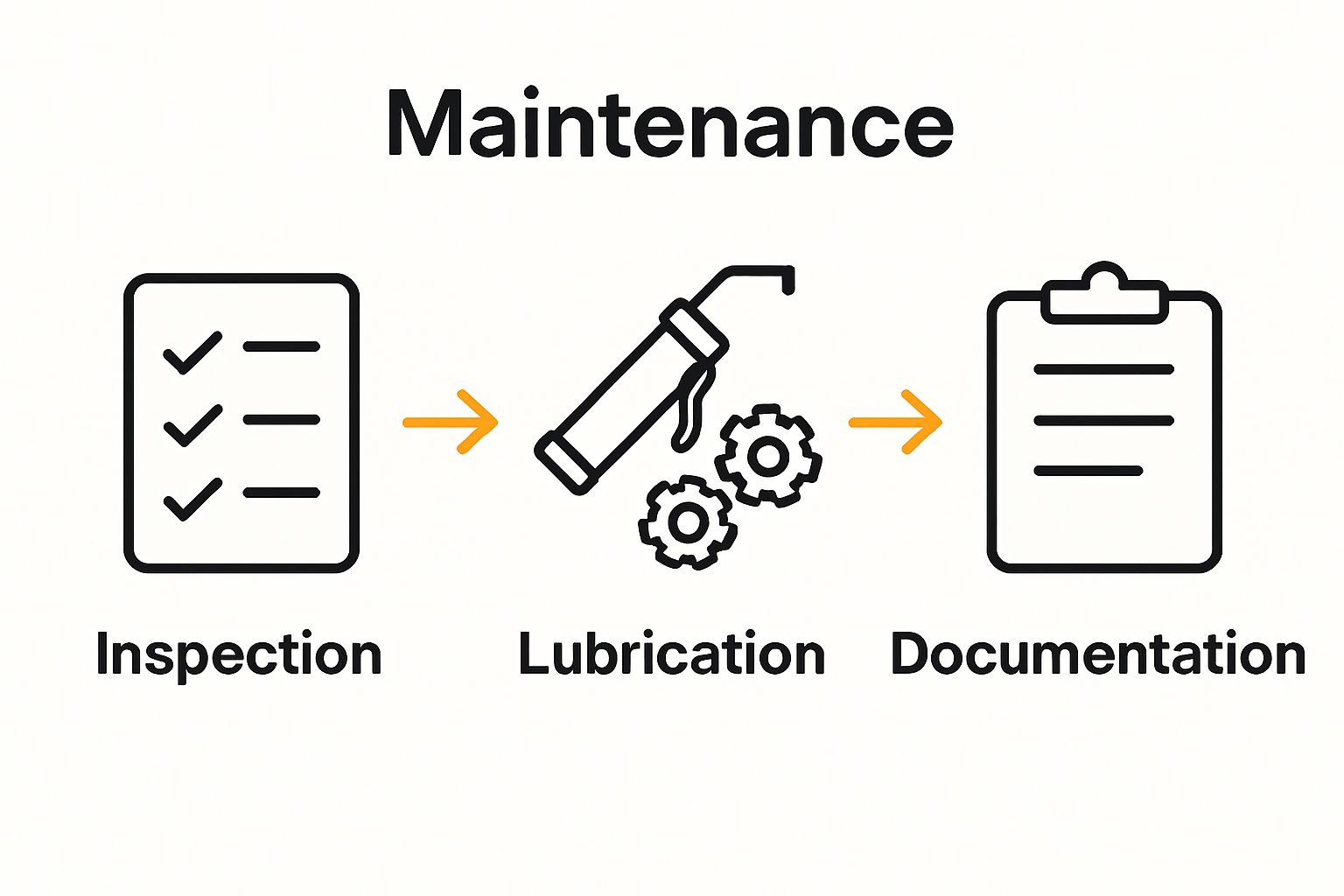
Initiate your maintenance checks by referencing manufacturer-specific service manuals and understanding recommended service intervals. Critical systems requiring consistent attention include engine components, hydraulic networks, electrical systems, and transmission mechanisms. Develop a comprehensive maintenance calendar that tracks service dates, completed tasks, and upcoming scheduled checks. This documentation helps create a predictable maintenance rhythm that minimizes unexpected equipment failures.
Comprehensive System Evaluation
Perform meticulous examinations of each machinery system with precision and methodical care. Start with engine diagnostics, checking oil levels, coolant conditions, and filter statuses. Utilize diagnostic scanning tools to read error codes and assess internal mechanical performance. Inspect belts and hoses for signs of wear, cracking, or potential structural weakness. Look for subtle indicators like minor fluid leaks, unusual vibrations, or unexpected performance variations that might signal underlying mechanical issues.
Hydraulic systems demand specialized attention during routine maintenance. Check hydraulic fluid levels, inspect connection points for potential leaks, and evaluate system pressure using professional-grade testing equipment. Clean hydraulic filters regularly and replace them according to manufacturer recommendations. Lubrication points require careful examination ensure all moving joints receive appropriate greasing to minimize friction and prevent premature wear.
Farm Machinery Management Research emphasizes the importance of tracking operational hours and aligning maintenance schedules with equipment usage intensity. Machines operating in challenging agricultural environments might require more frequent checks and more aggressive maintenance protocols. Develop a proactive approach that anticipates potential mechanical stress points and addresses them before they escalate into significant operational disruptions.
Conduct final verification by testing machinery performance after completing maintenance checks. Run diagnostic tests, evaluate operational smoothness, and confirm that all systems function within manufacturer-specified parameters.
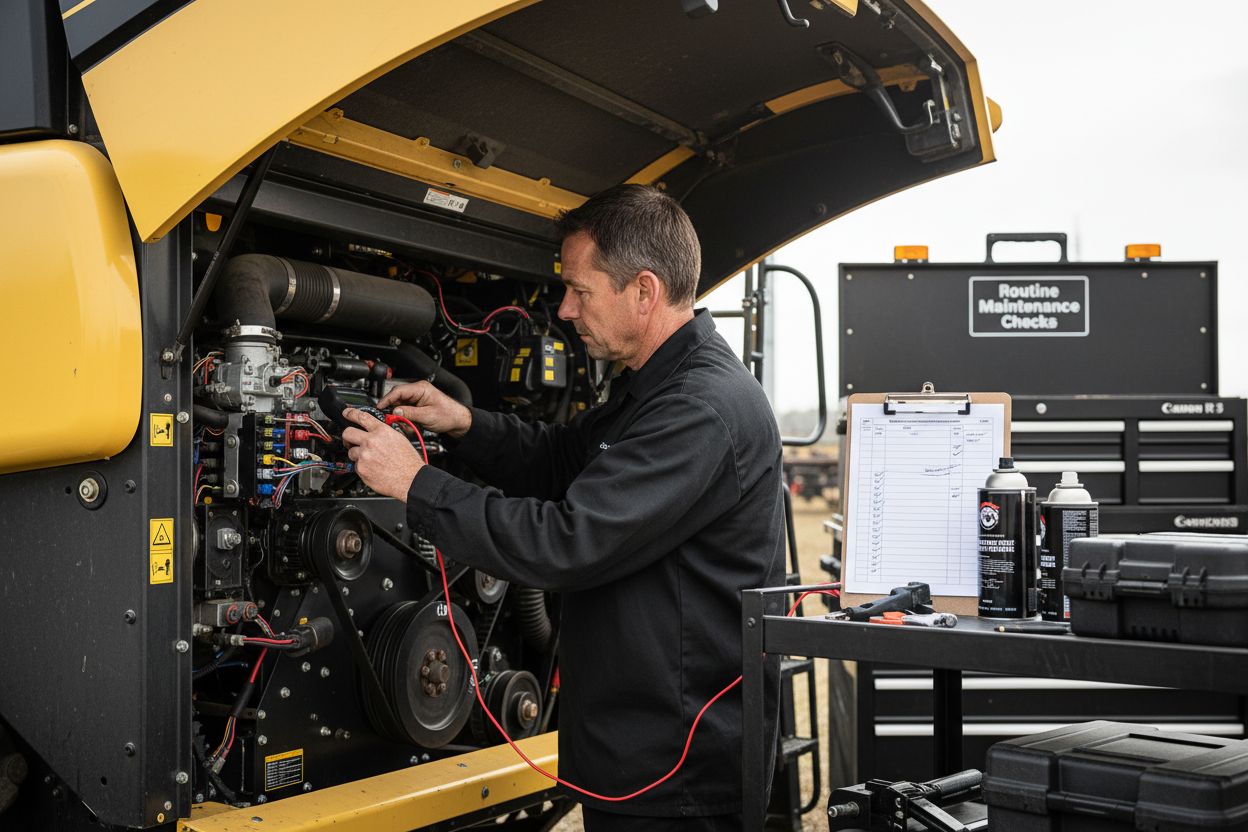 Document your findings, noting any potential future maintenance requirements or observations that might indicate emerging mechanical challenges.
Step 4: Troubleshoot Common Mechanical Issues
Effective agricultural machinery troubleshooting requires a systematic approach combining technical knowledge, diagnostic skills, and methodical problem-solving strategies.
Understanding how to diagnose and address mechanical issues prevents extended downtime and protects significant equipment investments.
Begin troubleshooting by establishing a clear diagnostic framework that prioritizes safety and precision. Warning signals like unusual sounds, unexpected vibrations, or performance inconsistencies serve as critical initial indicators of potential mechanical problems. When encountering equipment malfunctions, disconnect power sources and implement proper safety protocols before conducting detailed investigations.
Diagnostic Investigation Techniques
Utilize professional diagnostic tools to systematically evaluate machinery performance. Digital multimeters, pressure testing equipment, and computer-based diagnostic scanners provide comprehensive insights into mechanical system conditions. Listen carefully to engine sounds, assess vibration patterns, and observe operational characteristics that might reveal underlying mechanical stress points. Professional technicians recommend recording diagnostic information meticulously, creating a detailed log that tracks specific symptoms, potential causes, and resolution strategies.
Address common mechanical issues by understanding their root causes and implementing targeted solutions. Engine performance problems often stem from fuel system complications, electrical connection issues, or lubrication deficiencies. Hydraulic system challenges frequently involve pressure inconsistencies, fluid contamination, or seal deterioration. Electrical system troubleshooting requires careful examination of wiring connections, battery conditions, and sensor functionality.
Agricultural Equipment Diagnostics Guide suggests developing a structured troubleshooting approach that combines visual inspections, diagnostic tool assessments, and systematic elimination of potential failure points. When facing complex mechanical issues, consider consulting manufacturer technical documentation or professional agricultural machinery technicians who can provide specialized diagnostic support.
Complete your troubleshooting process by verifying system restoration. After addressing identified issues, conduct comprehensive operational tests that confirm machinery functions within original performance specifications. Run diagnostic scans, evaluate system responses, and document your repair procedures. Maintain a detailed maintenance log that tracks identified problems, implemented solutions, and future prevention strategies.
Below is a troubleshooting table summarizing common agricultural machinery problems, potential causes, and recommended solutions mentioned throughout the guide.
| Problem | Potential Cause | Recommended Solution |
|---|---|---|
| Unusual engine noises or vibrations | Fuel system issues, lubrication deficiencies, or worn-out belts | Check and replace filters, inspect lubrication, and examine belts for wear |
| Hydraulic system pressure loss | Leaks, fluid contamination, or worn seals | Inspect hydraulic lines, replace seals, and change hydraulic fluid |
| Intermittent electrical failures | Corroded connections, battery issues, or sensor problems | Clean/replace connections, check battery condition, and test sensors |
| Equipment not starting | Battery issues, faulty wiring, or fuel delivery problems | Test/replace battery, inspect wiring, verify fuel system |
| Overheating engine | Low coolant, worn hoses, or blocked filters | Refill coolant, replace hoses, clean/change filters |
| Poor moving joint operation | Insufficient lubrication or mechanical wear | Grease joints thoroughly, inspect and replace worn parts |
| Unexpected downtime after inspection | Missed maintenance, inadequate documentation, or skipped checks | Review inspection logs, update records, and complete deferred maintenance |
Step 5: Document Care and Maintenance Records
Documenting agricultural machinery maintenance records transforms reactive repair strategies into proactive equipment management. Comprehensive record-keeping provides critical insights into machinery performance, predicts potential mechanical failures, and protects significant financial investments in agricultural equipment.
Systematic Documentation Approach
Establish a meticulous documentation system that captures every aspect of machinery maintenance and service history. Detailed records become your equipment’s medical chart, tracking its entire operational lifecycle. Begin by creating a standardized template that includes essential information such as machine identification numbers, manufacturer specifications, purchase dates, and initial operational parameters. Utilize digital spreadsheets or specialized maintenance management software that allows comprehensive tracking and easy retrieval of historical maintenance data.
Each maintenance record should include precise details about service interventions. Document the date of service, specific tasks performed, parts replaced, technician information, and observed machinery conditions. Include measurements of key mechanical components, fluid analysis results, and any diagnostic scan outcomes. Photograph critical repair points and mechanical conditions to create visual documentation that complements written records. This multilayered approach provides a comprehensive overview of equipment health and maintenance progression.
Strategic Record Management
Implement a robust filing system that ensures long-term accessibility and reliability of maintenance documentation. Create both digital and physical backup systems to protect against potential data loss. Cloud storage solutions and external hard drives offer secure methods for preserving maintenance records. Organize documents chronologically and by specific machinery units, allowing quick reference during future maintenance or potential equipment resale scenarios.
Agricultural Equipment Maintenance Documentation emphasizes the importance of consistent, detailed record-keeping for maximizing equipment longevity and operational efficiency. Regularly review and update your maintenance logs, identifying patterns of wear, recurring mechanical issues, and opportunities for preventative interventions. Maintenance records serve multiple purposes beyond immediate repair tracking they become valuable assets for equipment valuation, insurance claims, and potential future sales.
Verify your documentation system’s effectiveness by conducting periodic reviews. Ensure all maintenance activities are comprehensively recorded, easily retrievable, and provide meaningful insights into equipment performance. A well-maintained documentation system transforms maintenance from a reactive task into a strategic, data-driven approach to agricultural machinery management.
Take the Next Step in Professional Machinery Care
You have just learned how crucial regular maintenance, precise inspections, and detailed documentation are for keeping your equipment reliable and productive in 2025. But even the most attentive care routine can become a struggle when you lack the right tractor accessories and spare parts exactly when they are needed. Unexpected breakdowns, struggling to find correct components, and worries about equipment downtime can stall your operations and profits.
Take control of your maintenance plan with help from Pexlivanidis. Our online platform features over 20,000 genuine agricultural machinery parts and tractor accessories, making it easy to find replacements that fit manufacturer specifications. Enjoy free shipping across Greece for orders over 100€ and get answers from our experienced team using the product inquiry form. If you want exclusive access to wholesale prices, submit a B2B membership request today. Make sure your next maintenance routine is backed by a trusted parts supplier and visit Pexlivanidis now to keep your equipment in optimal shape before the busy season arrives.
Frequently Asked Questions
What tools do I need for effective agricultural machinery maintenance?
To maintain agricultural machinery effectively, you need precision measurement tools like torque wrenches, cleaning equipment including industrial degreasers, and safety gear such as steel-toed boots. Start by assembling a comprehensive toolkit to ensure that you’re prepared for all maintenance tasks, making your process more efficient.
How can I perform regular inspections on my agricultural machinery?
Conduct regular inspections by visually examining each component for wear, corrosion, or damage. Establish a systematic schedule to inspect critical areas such as hydraulic lines and electrical connections, aiming to complete checks every 30 days to catch potential issues early.
What should I include in my routine maintenance checks for agricultural machinery?
Routine maintenance checks should include evaluating engine components, hydraulic systems, and electrical connections while consulting the manufacturer’s service manuals for specific intervals. Create a checklist and set reminders to ensure you review every critical system regularly, ideally aligning tasks with operational hours.
How do I troubleshoot common mechanical issues in agricultural machinery?
When troubleshooting, prioritize safety by disconnecting power sources and listen for unusual sounds or vibrations. Use diagnostic tools to assess performance and systematically investigate potential issues, resolving them within 1-2 maintenance cycles.
Why is documenting maintenance records important for my agricultural machinery?
Documenting maintenance records provides insights into machinery performance and helps predict future mechanical failures. Implement a consistent documentation practice that includes details of each service done, and review these records quarterly to optimize future maintenance strategies.
How can I prepare my agricultural machinery care plan for success in 2025?
To prepare for success in 2025, develop a comprehensive maintenance calendar that aligns with expected operational demands. Use your documentation and inspection logs to identify trends and adjust your care plan accordingly, aiming for a well-maintained fleet for optimal efficiency.