

Tractors keep farms running and everyone knows how crucial it is to avoid downtime. Yet tractor maintenance can slash equipment downtime by up to 40 percent and extend its lifespan for years. Most think these big machines only fail because of old age or bad luck. Actually, operator mistakes, skipped maintenance, and even the weather play a much bigger part in keeping tractors out of commission and putting crops at risk.
Table of Contents
- What Are Common Tractor Issues And Their Impact?
- The Importance Of Regular Maintenance For Tractors
- Key Mechanical Components And Their Common Problems
- Understanding Troubleshooting For Common Tractor Issues
- Real-World Examples Of Tractor Issues In Agriculture
Quick Summary
| Takeaway | Explanation |
|---|---|
| Prioritize regular maintenance for tractors | Routine maintenance reduces unexpected breakdowns and costly repairs. Farmers should include checks on fluids, filters, and moving parts. |
| Identify common tractor issues early | Recognizing symptoms like unusual sounds or vibrations can prevent major failures. Farmers should be observant and document any performance anomalies. |
| Understand critical mechanical components | Key systems like hydraulics and engines are prone to specific problems. Familiarity with these components helps in planning maintenance and troubleshooting. |
| Implement systematic troubleshooting strategies | A structured approach to diagnosing issues minimizes downtime. Farmers should utilize observation and diagnostics for effective problem resolution. |
| Acknowledge economic impacts of tractor issues | Mechanical failures can lead to significant financial losses due to downtime and repairs. Farmers must recognize the economic implications to enhance operational resilience. |
What Are Common Tractor Issues and Their Impact?
Farmers rely on tractors as the backbone of agricultural operations, making understanding common mechanical problems crucial for maintaining productivity and preventing costly downtime. Tractor issues can range from minor operational hiccups to significant mechanical failures that compromise entire farming workflows.
Mechanical Performance Challenges
Tractors experience numerous mechanical challenges that can disrupt agricultural productivity. According to a comprehensive study from Riau Province, tractor breakdowns frequently stem from multiple interconnected factors:
- Operator errors during machine operation
- Fuel and oil system contamination
- Extreme field condition stress
- Inadequate routine maintenance
- Prolonged intensive equipment usage
These performance challenges can create substantial economic strain for farmers, potentially resulting in significant financial losses and interrupted agricultural schedules.
Critical System Vulnerabilities
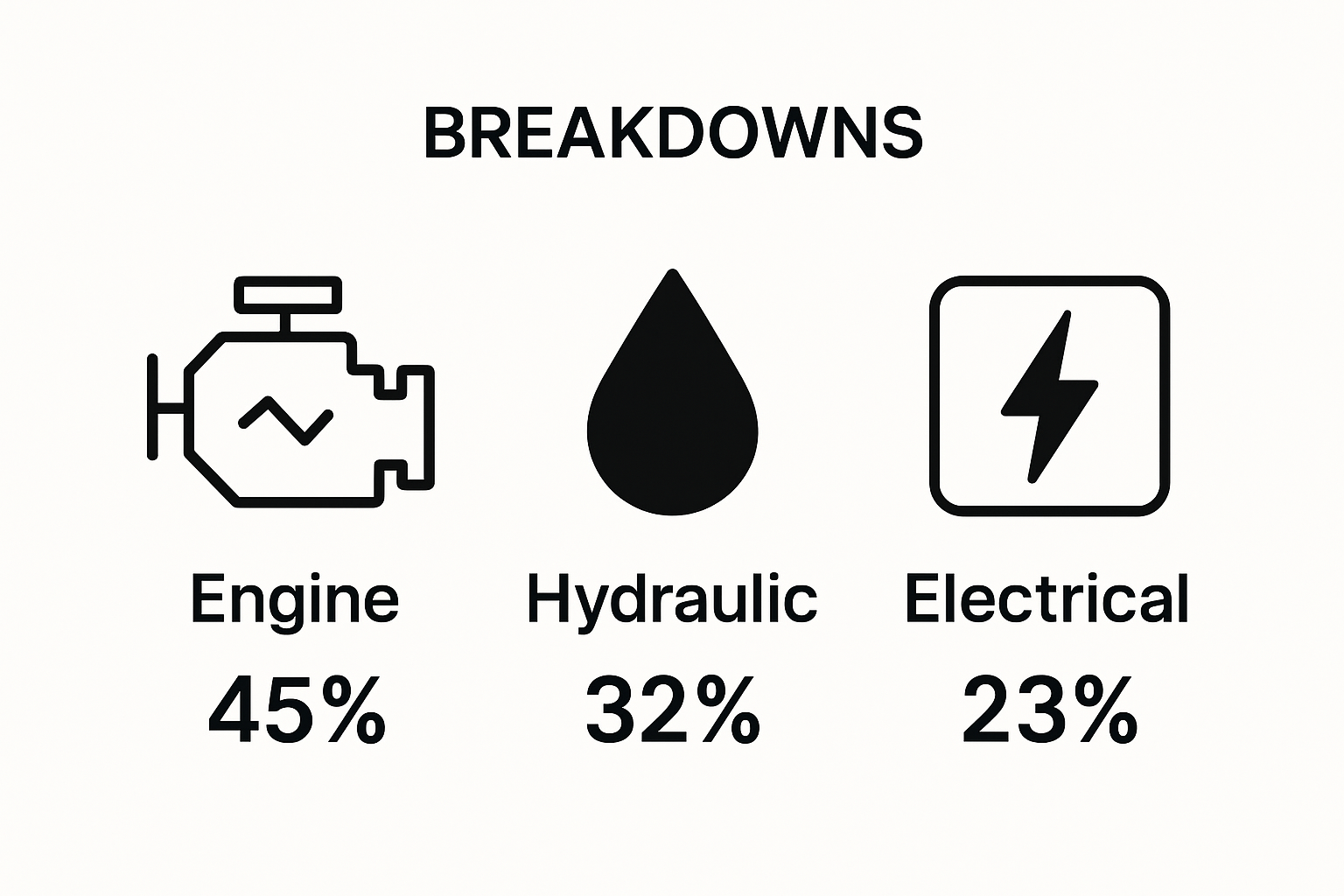
Modern tractors feature complex mechanical and electronic systems vulnerable to specific types of failures. Engine problems, transmission issues, hydraulic system malfunctions, and electrical component breakdowns represent the most prevalent mechanical vulnerabilities. Temperature fluctuations, mechanical wear, and operational stress contribute significantly to these system breakdowns.
Precise diagnostic approaches and proactive maintenance strategies can mitigate many of these potential issues. Farmers must develop comprehensive understanding of their equipment’s specific requirements and potential weak points to minimize unexpected mechanical failures.
Economic and Operational Implications
Tractor issues extend beyond immediate mechanical repairs. The broader impact encompasses reduced agricultural productivity, increased operational costs, and potential long-term equipment degradation. When tractors experience unscheduled downtime, farmers face compounded challenges:
- Delayed planting or harvesting schedules
- Increased repair and replacement expenses
- Reduced overall farm efficiency
- Potential crop yield reductions
Understanding these common tractor issues empowers farmers to implement strategic maintenance protocols, ultimately protecting their agricultural investments and ensuring consistent operational performance.
The Importance of Regular Maintenance for Tractors
Regular maintenance is the cornerstone of effective tractor management, serving as a critical strategy for preventing mechanical failures, extending equipment lifespan, and ensuring optimal agricultural productivity. Farmers who prioritize systematic maintenance can significantly reduce unexpected breakdowns and costly repairs.
Preventative Maintenance Fundamentals
Preventative maintenance represents a proactive approach to tractor care that goes beyond reactive repair strategies. According to research from agricultural engineering experts, systematic maintenance can reduce equipment downtime by up to 40% and extend machinery operational life by several years.
Key preventative maintenance practices include:
- Regular fluid level and quality checks
- Comprehensive lubrication of moving parts
- Thorough cleaning of critical mechanical components
- Timely replacement of worn mechanical elements
- Detailed inspection of electrical and hydraulic systems
Economic and Performance Implications
Consistent maintenance directly impacts a tractor’s overall economic performance. Well-maintained equipment operates with greater fuel efficiency, reduced mechanical stress, and minimized performance degradation. Farmers who invest time and resources in routine maintenance typically experience substantial long-term financial benefits through:
- Reduced unexpected repair costs
- Enhanced machinery reliability
- Improved operational efficiency
- Extended equipment service life
- Lower fuel consumption rates
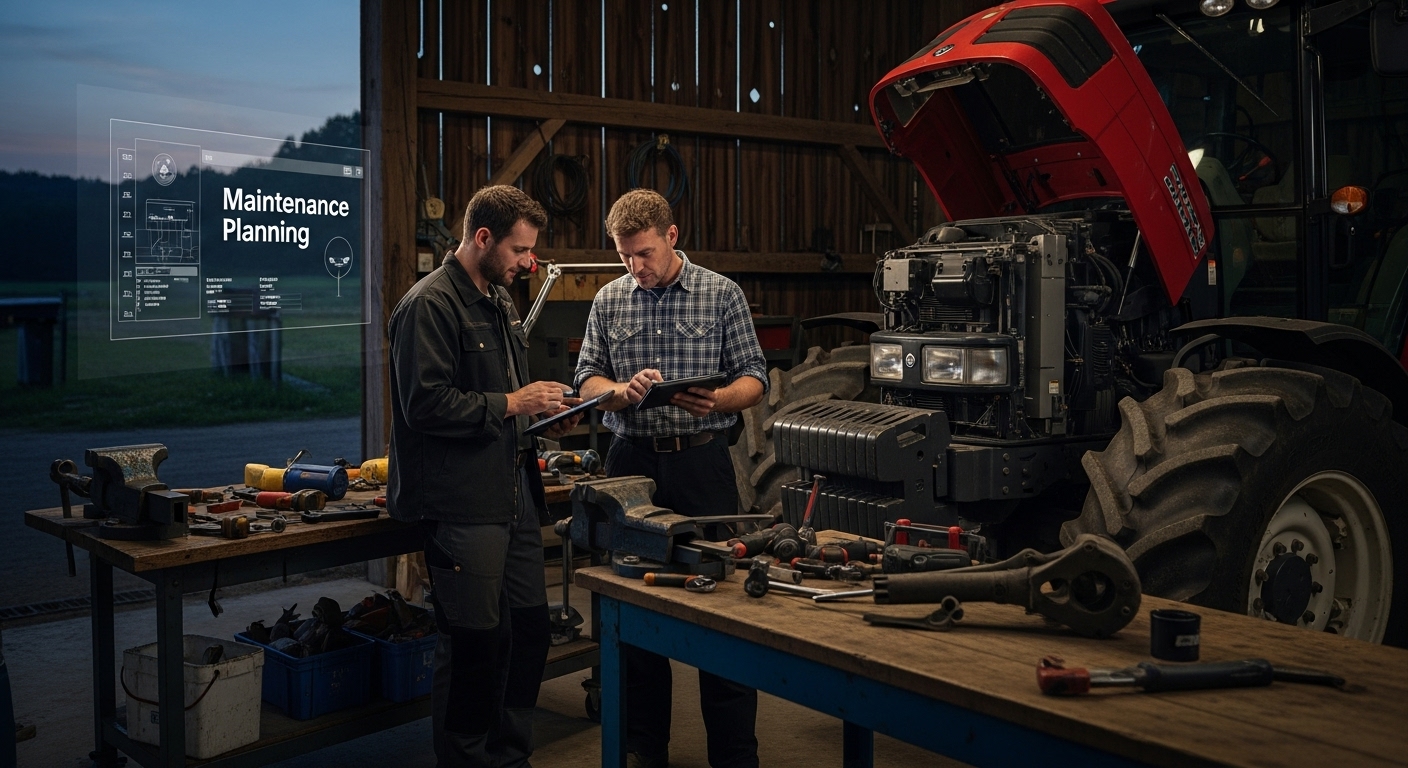
Strategic Maintenance Planning
Successful tractor maintenance requires a structured and comprehensive approach. Farmers must develop personalized maintenance schedules tailored to their specific equipment models, operational environments, and usage intensity. Critical considerations include understanding manufacturer recommendations, tracking equipment usage hours, monitoring performance metrics, and maintaining detailed maintenance records.
Implementing a systematic maintenance strategy transforms tractors from mere agricultural tools into reliable, long-term productivity assets.
The following table organizes regular tractor maintenance activities alongside their primary benefits, offering a quick-reference guide for farmers aiming to maximize equipment reliability and operating life.
| Maintenance Activity | Description | Primary Benefit |
|---|---|---|
| Fluid level and quality checks | Inspecting and replenishing engine, hydraulic, and coolant fluids | Prevents overheating and reduces wear |
| Comprehensive lubrication | Applying lubricants to moving parts | Minimizes friction and component failure |
| Cleaning critical components | Removing dirt and debris from essential parts | Improves system efficiency |
| Replacing worn elements | Swapping out parts like filters or belts | Avoids unexpected breakdowns |
| Inspecting electrical/hydraulic systems | Visual and functional examination of systems | Detects early faults before escalation |
| By recognizing maintenance as an investment rather than an expense, farmers can optimize their equipment performance and protect their agricultural operational capabilities. |
Key Mechanical Components and Their Common Problems
Tractors represent complex machines with multiple interconnected mechanical systems that require comprehensive understanding for effective maintenance and troubleshooting. Each component plays a critical role in overall machine performance, with potential vulnerabilities that can significantly impact agricultural operations.
Engine and Powertrain Systems
The engine serves as the primary power generation system in tractors, responsible for converting fuel energy into mechanical motion. Research from agricultural machinery design studies demonstrates that steering and powertrain instability can dramatically influence equipment reliability and operational safety.
Common engine and powertrain issues include:
- Fuel injection system malfunctions
- Compression pressure degradation
- Cooling system inefficiencies
- Transmission gear wear
- Crankshaft and camshaft alignment problems
Hydraulic and Electrical Systems
Hydraulic systems control critical tractor functions, enabling precise mechanical movements for implements and attachments. These complex networks consist of pumps, valves, cylinders, and intricate fluid pathways that are susceptible to performance challenges. Electrical systems equally represent sophisticated networks managing everything from engine management to operator control interfaces.
Potential vulnerabilities in these systems encompass:
- Hydraulic fluid contamination
- Electrical sensor failures
- Wire harness degradation
- Pressure regulation inconsistencies
- Electronic control unit malfunctions
Structural and Mechanical Integrity
Tractor components endure extreme operational stress across diverse agricultural environments. Structural integrity involves multiple mechanical elements including chassis, axles, steering mechanisms, and attachment points. These components must withstand significant mechanical loads while maintaining precise operational tolerances.
Key structural challenges involve:
- Frame and chassis metal fatigue
- Bearing and bushing wear
Understanding these mechanical components provides farmers with critical insights into potential equipment vulnerabilities, enabling proactive maintenance strategies that protect agricultural productivity and equipment longevity.
The table below summarizes critical tractor systems, their typical issues, and the resulting operational impacts to help farmers quickly identify points of failure and prioritize maintenance efforts.
| Tractor System | Common Issues | Potential Impact |
|---|---|---|
| Engine and Powertrain | Fuel injection malfunctions, compression loss, overheating, gear wear | Reduced power, breakdowns, costly repairs |
| Hydraulic System | Fluid contamination, pressure inconsistencies, pump failure | Loss of implement control, unsafe operation |
| Electrical System | Sensor failures, wiring degradation, ECU malfunctions | Starting problems, faulty controls, errors |
| Structural Components | Frame fatigue, bearing wear, steering instability | Safety risks, loss of operational integrity |
Understanding Troubleshooting for Common Tractor Issues
Troubleshooting tractor problems requires a systematic approach that combines mechanical knowledge, diagnostic skills, and strategic problem-solving techniques. Farmers and agricultural professionals must develop a comprehensive understanding of equipment diagnostics to minimize downtime and prevent minor issues from escalating into major mechanical failures.
Diagnostic Assessment Strategies
Effective troubleshooting begins with a structured diagnostic process that involves methodical observation and analysis. Research from North Dakota State University Extension emphasizes the importance of comprehensive equipment evaluation and systematic problem identification.
Key diagnostic assessment principles include:
- Systematic observation of equipment performance
- Careful documentation of observed symptoms
- Understanding baseline operational parameters
- Utilizing manufacturer diagnostic guidelines
- Employing specialized diagnostic tools and equipment
Identifying Performance Anomalies
Performance anomalies represent early warning signals of potential mechanical issues. Recognizing these indicators requires keen observation and understanding of typical tractor operational characteristics. Farmers must develop sensitivity to subtle changes in machine behavior, including:
- Unusual engine sounds
- Unexpected vibration patterns
- Reduced power output
- Inconsistent fluid pressures
- Irregular temperature readings
- Unexpected electrical system responses
Systematic Problem Resolution
Resolution of tractor mechanical issues demands a structured approach that prioritizes root cause identification over temporary symptom management. Effective troubleshooting involves comprehensive analysis, precise diagnostic techniques, and strategic intervention strategies.
Successful problem resolution requires:
- Methodical component evaluation
- Accurate performance diagnostics
- Targeted repair interventions
- Verification of corrective actions
- Documentation of identified issues
By developing robust troubleshooting skills, farmers can transform potential equipment challenges into manageable maintenance opportunities, ensuring consistent agricultural productivity and extended machinery operational life.
Real-World Examples of Tractor Issues in Agriculture
Agricultural machinery represents a complex ecosystem of mechanical interactions where real-world challenges emerge unexpectedly, testing farmers’ adaptability and technical expertise. Understanding practical scenarios helps develop comprehensive strategies for equipment management and operational safety.
Safety-Critical Equipment Failures
Research from the University of Nebraska-Lincoln highlights the critical nature of equipment reliability, particularly concerning tractor safety. Machinery malfunctions can lead to catastrophic consequences, with tractor-related accidents representing significant risks in agricultural environments.
Significant safety-related equipment challenges include:
- Unexpected hydraulic system failures during field operations
- Brake system deterioration in older equipment
- Compromised rollover protection structures
- Electrical system disconnections
- Steering mechanism instabilities
Operational Performance Disruptions
Operational performance disruptions represent complex challenges that directly impact agricultural productivity. These scenarios demonstrate how mechanical issues translate into tangible economic consequences for farmers. Understanding these real-world examples provides insights into preventative maintenance and strategic equipment management.
Common performance disruption scenarios involve:
- Harvest season engine failures
- Transmission breakdowns during critical planting periods
- Unexpected implement attachment malfunctions
- Fuel system contamination leading to reduced efficiency
- Unexpected electronic control system failures
Economic and Productivity Impact
Tractor issues extend far beyond immediate mechanical repairs, representing substantial economic challenges for agricultural operations. Machinery downtime can create cascading effects that compromise entire seasonal productivity cycles.
Economic implications of equipment failures encompass:
- Lost agricultural production time
- Increased repair and replacement expenses
By examining these real-world examples, farmers gain critical insights into proactive equipment management, understanding that each mechanical challenge represents an opportunity for improved operational resilience and strategic maintenance planning.
Stop Tractor Downtime and Keep Your Fields Moving
Unexpected tractor problems can put your entire farm schedule at risk. This article shows how common issues like fuel system failures, hydraulic breakdowns, and worn engine components lead to lost productivity and increased costs. If you are tired of costly delays and need a dependable source for high-quality tractor parts, there is a solution made just for you.
Find exactly what your tractor needs at pexlivanidis.com. Our large inventory of over 20,000 parts helps you address problems quickly and prevent bigger failures. You can easily search for essential parts, enjoy free shipping within Greece for orders over 100€, and discover personalized support for urgent repairs. Do not let a small issue become a major setback. Take charge of your equipment today and browse our full selection of spare parts at pexlivanidis.com. For questions or custom orders, use our product inquiry and availability forms to get fast answers and keep your machinery running strong.
Frequently Asked Questions
What are the most common mechanical issues that tractors face?
Tractors commonly encounter mechanical issues such as engine problems, transmission difficulties, hydraulic system malfunctions, and electrical component breakdowns. Not maintaining routine inspections heightens these risks.
How can regular maintenance prevent tractor problems?
Regular maintenance can significantly reduce unexpected breakdowns by ensuring that fluids are checked, parts are lubricated, and components are inspected. Proactive care helps extend the lifespan of the tractor and enhances overall performance.
What are the economic impacts of tractor downtime?
Tractor downtime can lead to delayed planting or harvesting schedules, increased repair expenses, reduced farm efficiency, and potential crop yield losses, each significantly affecting the bottom line for farmers.
How can farmers effectively troubleshoot tractor issues?
Farmers can effectively troubleshoot issues by observing performance anomalies, documenting symptoms, and systematically evaluating mechanical components. Using manufacturer guidelines and diagnostic tools can help identify root causes and facilitate necessary repairs.