

Every time a tractor roars to life in the field, a hidden process of electrical and mechanical magic unfolds under the hood. Most people expect this to be a straightforward push of a button event, but in reality, over 60 percent of farm equipment failures are linked to starter issues. That means the true power of a successful harvest often comes down to an unsung hero you rarely think about—the humble tractor starter.
Table of Contents
- Defining A Tractor Starter: Basics And Functions
- The Importance Of A Reliable Starter In Agriculture
- How A Tractor Starter Works: The Mechanics Behind It
- Key Components Of A Tractor Starter System
- Common Issues And Maintenance For Tractor Starters
Quick Summary
| Takeaway | Explanation |
|---|---|
| A tractor starter initiates engine operation | It converts electrical energy into mechanical force, enabling the engine to start its operational cycle. |
| Reliability impacts agricultural productivity | A dependable starter minimizes downtime during critical farming seasons, affecting overall economic performance. |
| Proactive maintenance prevents failures | Regular inspections and timely servicing prevent unexpected breakdowns and prolong the lifespan of starter systems. |
| Advanced technologies enhance performance | Modern starters may include diagnostic tools, allowing monitoring of performance issues before failures occur. |
| Understand common starter issues | Recognizing early signs of trouble, such as unusual sounds, can help avoid significant mechanical failures. |
Defining a Tractor Starter: Basics and Functions
A tractor starter is a critical electrical component responsible for initiating the engine’s operation by converting electrical energy into mechanical rotational force. Machinery experts define it as the primary mechanism that enables an internal combustion engine to begin its operational cycle, transforming stored electrical power into the initial kinetic energy needed to start the engine.
Core Mechanical Principles
The tractor starter functions through an intricate electromechanical process that involves several precise components. When a tractor operator turns the ignition key, an electrical current is sent to the starter motor, which then activates a solenoid. This solenoid creates a powerful magnetic field that pulls a movable lever, engaging a small gear known as the pinion gear with the engine’s larger flywheel gear.
As the pinion gear rotates against the flywheel, it generates sufficient rotational momentum to turn the engine’s crankshaft. This initial rotation allows fuel and air to mix within the combustion chambers, ultimately triggering the first engine cycle. The entire process occurs within milliseconds, demonstrating the starter’s sophisticated engineering and precision.
Critical Performance Characteristics
A high-quality tractor starter must possess several essential performance characteristics to ensure reliable operation:
- Robust Electrical Conductivity: Capable of handling high-amperage electrical loads
- Mechanical Durability: Resistant to wear and environmental stress
- Rapid Engagement: Quick and smooth gear meshing with minimal friction
- Temperature Resilience: Functional across wide temperature ranges
Understanding these fundamental aspects helps agricultural professionals appreciate the complexity behind what seems like a simple mechanical action. The tractor starter represents a sophisticated piece of engineering that bridges electrical and mechanical systems, enabling powerful agricultural machinery to begin its work efficiently and consistently.
The Importance of a Reliable Starter in Agriculture
In the demanding world of agricultural operations, a reliable tractor starter represents more than just a mechanical component—it is a critical infrastructure element that determines operational efficiency and economic productivity. Agricultural engineering research demonstrates that equipment reliability directly impacts farm profitability and operational continuity.
Economic Impact of Starter Performance
Farm equipment downtime can translate into significant financial losses.
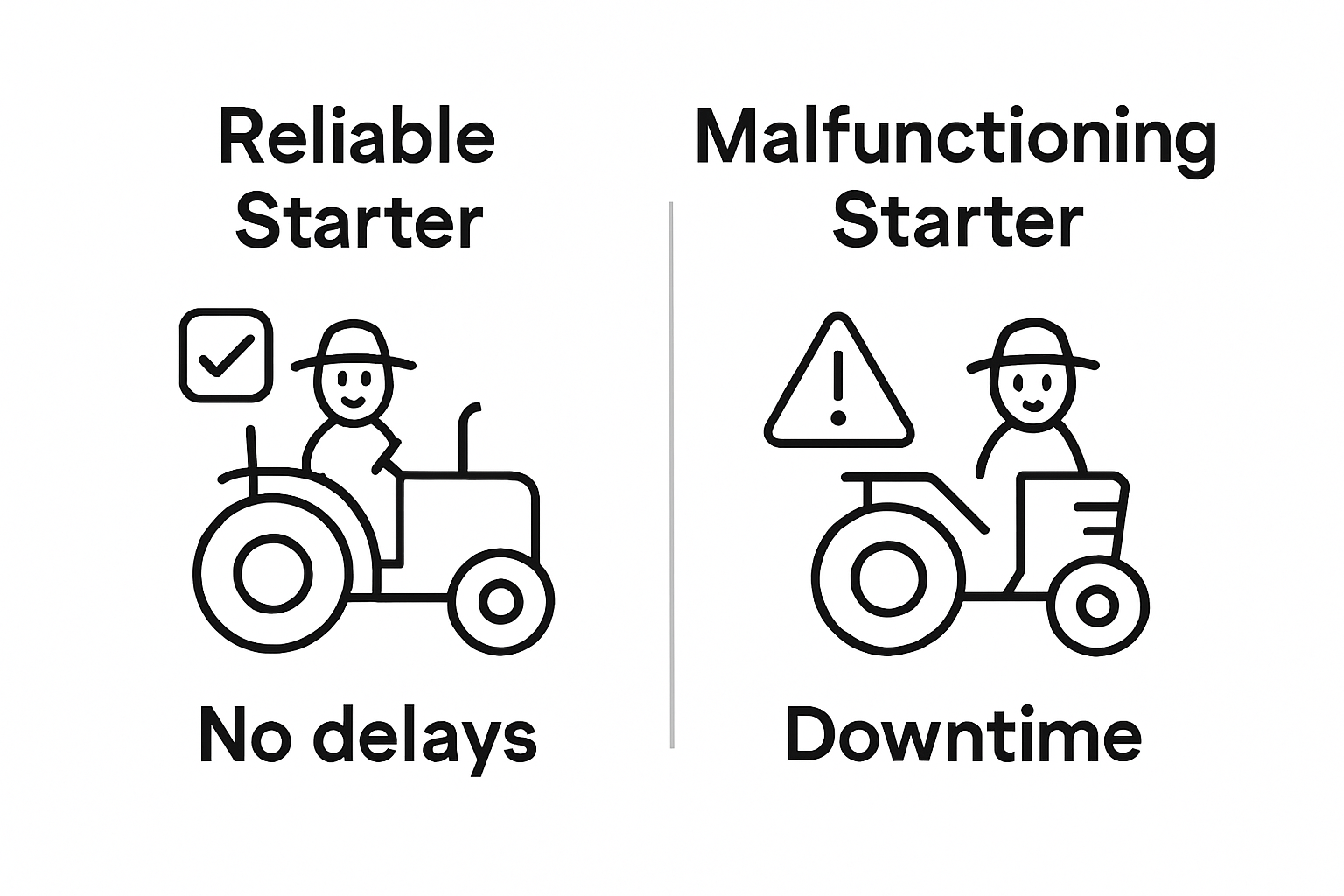 A malfunctioning starter interrupts critical agricultural activities such as planting, harvesting, and field preparation. When a tractor fails to start during peak agricultural seasons, farmers risk losing valuable time and potentially compromising crop yields. Replacement and repair costs for starter systems can range from hundreds to thousands of dollars, making preventative maintenance and selecting high-quality starters a strategic economic decision.
Operational Reliability Factors
Multiple factors contribute to a tractor starter’s reliability in agricultural settings:
- Environmental Resistance: Ability to function in extreme temperatures and harsh field conditions
- Electrical System Compatibility: Seamless integration with the tractor’s electrical infrastructure
- Mechanical Endurance: Sustained performance under repeated start cycles
- Manufacturing Quality: Precision engineering and robust component design
Technological Advancements in Starter Systems
Modern agricultural machinery increasingly incorporates advanced starter technologies that enhance reliability and performance. Sophisticated starter systems now include diagnostic capabilities, allowing farmers to monitor potential issues before complete system failure. These technological improvements reduce unexpected breakdowns and provide farmers with greater predictability in their equipment’s operational readiness. By investing in high-quality starter systems, agricultural professionals can minimize downtime, optimize machinery performance, and maintain consistent productivity throughout critical farming seasons.
How a Tractor Starter Works: The Mechanics Behind It
The tractor starter operates through a sophisticated electromechanical transformation process that converts electrical energy into mechanical motion. Agricultural engineering experts explain the intricate sequence of events that enable a tractor to begin its operational cycle.
Electrical Energy Initiation
When a tractor operator turns the ignition key, an electrical current from the battery flows to the starter solenoid. This electromagnetic component acts as a critical switching mechanism, creating a high-current electrical path that activates the starter motor. The solenoid simultaneously performs two essential functions: it provides power to the starter motor and mechanically moves the starter drive gear into position with the engine’s flywheel.
Mechanical Power Transmission
The starter motor contains a powerful electromagnetic design featuring a series of wound copper wire coils that generate a rotating magnetic field. When electrical current passes through these coils, they create a powerful rotational force that drives the starter’s pinion gear. This small gear quickly engages with the larger flywheel gear, transferring rotational momentum to the engine’s crankshaft. The precise alignment and rapid engagement occur within milliseconds, ensuring smooth and efficient engine cranking.
Critical Mechanical Components
Several key components work together to ensure the starter’s reliable operation:
- Solenoid: Electromagnetic switch controlling electrical current and mechanical gear engagement
- Starter Motor: Converts electrical energy into rotational mechanical energy
- Pinion Gear: Small gear that connects and transfers rotational force to the flywheel
- Flywheel: Large gear that receives initial rotational momentum to start the engine
- Battery: Provides the necessary electrical current to initiate the starting process
The synchronization of these components demonstrates the remarkable engineering behind what appears to be a simple mechanical action.
By transforming electrical potential into mechanical motion, the tractor starter enables agricultural machinery to overcome inertia and begin its operational cycle with remarkable precision and efficiency.
Key Components of a Tractor Starter System
A tractor starter system represents a complex network of interconnected electrical and mechanical components working in precise synchronization. Agricultural machinery experts highlight the critical role each component plays in ensuring reliable engine start-up and operational performance.
Electrical Control Components
The electrical subsystem of a tractor starter comprises several crucial elements responsible for initiating and managing the starting process. The ignition switch serves as the primary control mechanism, allowing the operator to trigger the starter motor. Connected to the switch, the starter solenoid acts as an electromagnetic relay, managing high-current electrical flow and mechanically engaging the starter motor with the engine’s flywheel. This component ensures safe and efficient electrical current transfer, protecting the electrical system from potential overload.
Mechanical Power Generation Components
Mechanical power generation relies on specialized components designed to transform electrical energy into rotational force. The starter motor contains precision-wound copper wire coils that generate a powerful rotating magnetic field when electrical current passes through them. Attached to the motor, the pinion gear provides a critical mechanical interface, quickly engaging with the engine’s larger flywheel gear to initiate crankshaft rotation. This precise gear interaction occurs within milliseconds, demonstrating the sophisticated engineering behind tractor starter systems.
Essential System Components
A comprehensive tractor starter system includes multiple interconnected elements:
- Battery: Primary electrical energy storage and supply source
- Ignition Switch: Operator-controlled electrical activation point
- Starter Solenoid: Electromagnetic current management and gear engagement mechanism
- Starter Motor: Electrical to mechanical energy conversion unit
- Pinion Gear: Mechanical power transfer component
- Flywheel: Large gear receiving initial rotational momentum
- Wiring Harness: Electrical connection network
Understanding the intricate relationships between these components reveals the remarkable engineering precision required to transform stored electrical potential into the mechanical motion necessary for agricultural machinery operation. Each element plays a vital role in ensuring reliable, efficient tractor performance across diverse agricultural environments.
To clarify the core components of a tractor starter system and their functions, the following table summarizes the essential electrical and mechanical parts discussed in the article.
| Component | Function Description |
|---|---|
| Battery | Supplies electrical energy to initiate the starting process |
| Ignition Switch | Allows the operator to start the system |
| Starter Solenoid | Acts as an electromagnetic relay, managing current flow and engaging the drive gear |
| Starter Motor | Converts electrical power into mechanical rotation |
| Pinion Gear | Transfers rotation from the starter motor to the flywheel |
| Flywheel | Receives the pinion gear’s force to turn the engine |
| Wiring Harness | Connects electrical components throughout the system |
Common Issues and Maintenance for Tractor Starters
Tractor starter systems, despite their robust engineering, are susceptible to various operational challenges that can compromise agricultural machinery performance. Agricultural maintenance specialists emphasize the importance of proactive diagnostics and regular maintenance to prevent unexpected equipment failures.
Diagnostic Warning Signs
Recognizing early indicators of starter system problems is crucial for preventing complete mechanical breakdown. Unusual starting sounds such as grinding, clicking, or slow cranking often signal underlying issues. A weak or inconsistent electrical response might indicate battery degradation, corroded connections, or internal starter motor wear. Farmers should pay close attention to these subtle performance variations, as they frequently precede more significant mechanical failures that could interrupt critical agricultural operations.
Primary Mechanical Failure Modes
Several common mechanical issues can compromise tractor starter system reliability. The pinion gear might experience tooth wear or misalignment, preventing proper engagement with the flywheel. Solenoid failures can interrupt electrical current flow, rendering the starter inoperative. Worn brushes inside the starter motor can reduce electrical conductivity, resulting in intermittent or failed start attempts. Environmental factors like moisture, dust, and extreme temperature variations accelerate component degradation.
Preventative Maintenance Strategies
Effective starter system maintenance involves systematic and proactive approaches:
- Regular Electrical Connection Inspection: Check and clean battery terminals and starter connections
- Periodic Starter Motor Testing: Verify electrical resistance and mechanical rotation performance
- Protective Storage Practices: Shield starter components from moisture and extreme environmental conditions
- Scheduled Lubrication: Apply appropriate lubricants to mechanical moving parts
- Professional Diagnostic Assessments: Conduct comprehensive electrical system evaluations
Ultimately, understanding starter system vulnerabilities and implementing disciplined maintenance protocols can significantly extend equipment lifespan, minimize unexpected downtime, and optimize agricultural machinery performance. Proactive maintenance represents a strategic investment in operational reliability and long-term economic efficiency.
This table provides a concise overview of common tractor starter problems, their typical warning signs, and potential causes as described in the maintenance section.
| Problem | Typical Warning Sign | Likely Cause |
|---|---|---|
| Unusual sounds | Grinding, clicking, or slow crank | Pinion gear wear or misalignment |
| Weak electrical response | Starter struggles or fails to engage | Battery degradation or corroded connections |
| No start | No response from starter | Solenoid failure or worn motor brushes |
| Intermittent operation | Inconsistent starting | Internal motor wear or wiring issues |
| Rapid wear/deterioration | Declining starter performance | Environmental exposure (moisture, dust, extreme temps) |

Secure Your Tractor’s Performance with the Right Starter Solution
When your entire operation relies on a tractor, even a brief failure to start can lead to lost time, missed deadlines, and unexpected costs. As highlighted in our article, common problems like worn pinion gears, faulty solenoids, and weak electrical systems can quickly disrupt your work, especially during the busy agricultural season. Reliable starters and spare parts are essential for farm equipment to perform consistently and avoid the stress of unplanned downtime.
Do not let a malfunctioning starter jeopardize your productivity or peace of mind. With pexlivanidis.com, you gain access to a massive inventory of over 20,000 agricultural machinery parts, including hard-to-find tractor starters, all backed by fast availability and trusted support. Shopping with us gives you extra benefits such as free shipping within Greece on orders over 100€. Visit our main page today, explore our full selection, and experience the difference in reliability and customer care that your operation deserves. Make the smart move for your machinery and secure the parts you need before the next critical season begins.
Frequently Asked Questions
What is the primary function of a tractor starter?
The primary function of a tractor starter is to convert electrical energy into mechanical rotational force to initiate the engine’s operation, allowing the engine to start its operational cycle.
How does a tractor starter work?
A tractor starter works by receiving an electrical current when the ignition key is turned, which activates the starter motor and solenoid. The solenoid engages the pinion gear with the flywheel gear, enabling the engine’s crankshaft to rotate and start the engine.
What are common problems associated with tractor starters?
Common problems with tractor starters include unusual starting sounds, weak electrical responses, pinion gear misalignment, solenoid failures, and worn brushes in the starter motor, all of which can lead to a failure to start the engine.
How can I maintain my tractor starter for optimal performance?
To maintain your tractor starter, regularly inspect and clean electrical connections, test the starter motor, protect components from moisture, lubricate moving parts, and conduct professional diagnostic assessments to ensure reliable operation.