

Farming is entering a new era where robots, sensors, and artificial intelligence work together to grow our food. More than 70 percent of large farms in developed countries have already adopted at least one type of agricultural automation technology. This might make you think that machines are slowly replacing people everywhere on the farm. Actually, these technologies are doing something even more surprising—they are helping farmers use fewer resources, grow healthier crops, and make smarter decisions for the future of food.
Table of Contents
- Defining Agricultural Automation: What It Is And Why It Matters
- The Importance Of Agricultural Automation In Modern Farming
- Key Technologies And Innovations Driving Agricultural Automation
- Understanding The Benefits Of Agricultural Automation For Farmers
- Real-World Applications And Examples Of Agricultural Automation
Quick Summary
| Takeaway | Explanation |
|---|---|
| Agricultural automation reduces labor costs. | Automation technologies minimize the need for manual labor, allowing farmers to operate more efficiently with fewer workers. |
| Precision farming enhances crop yields. | Technologies like GPS and sensors help optimize farming practices, leading to improved crop quality and higher overall production. |
| Sustainability is improved through automation. | Advanced technologies facilitate better resource management, reducing waste and minimizing environmental impacts of farming. |
| Data analytics drive informed decision-making. | Intelligent platforms analyze agricultural data in real-time, enabling farmers to make strategic and timely decisions to enhance productivity. |
| Robotic systems increase operational efficiency. | Autonomous machinery can perform complex farming tasks independently, significantly improving efficiency and reducing dependency on human labor. |
Defining Agricultural Automation: What It Is and Why It Matters
Agricultural automation represents a transformative approach to modernizing farming practices through advanced technological integration. At its core, this innovative strategy involves using sophisticated machinery, robotics, sensors, and data-driven systems to perform agricultural tasks traditionally completed by human labor.
The table below summarizes the key components of agricultural automation described in the article and concisely explains their main functions in the modern farm ecosystem.
| Component | Description |
|---|---|
| Precision Machinery | Advanced tractors and equipment using GPS and automated steering for accurate fieldwork |
| Sensor Technologies | Devices that monitor soil moisture, nutrient levels, and crop health in real time |
| Robotic Systems | Autonomous machines performing tasks like planting, weeding, and harvesting |
| Data Analytics Platforms | Software solutions that process farming data to support strategic decision-making |
The Essential Components of Agricultural Automation
Modern agricultural automation encompasses several critical technological elements that work together to enhance farming efficiency. According to the Food and Agriculture Organization, these components typically include:
- Precision Machinery: Advanced tractors and equipment with GPS tracking and automated steering systems
- Sensor Technologies: Environmental monitoring devices tracking soil moisture, nutrient levels, and crop health
- Robotic Systems: Autonomous machines capable of planting, weeding, and harvesting crops
- Data Analytics Platforms: Software that processes agricultural information to support strategic decision making
Why Agricultural Automation Matters
The significance of agricultural automation extends far beyond technological novelty. As global population continues to grow and agricultural challenges become more complex, these technologies offer sustainable solutions for increasing food production. Automation addresses critical industry challenges by:
- Reducing manual labor requirements
- Minimizing resource waste
- Improving crop yields and quality
- Enabling more precise and efficient farming techniques
By integrating intelligent technologies, farmers can make data-driven decisions, optimize resource allocation, and respond more effectively to environmental changes. Agricultural automation transforms traditional farming from a labor-intensive practice into a sophisticated, technology-driven industry capable of meeting the world’s increasing food demands.
The Importance of Agricultural Automation in Modern Farming
Modern agricultural automation is not merely a technological trend but a critical response to complex global challenges facing food production. As traditional farming methods struggle to meet increasing global food demands, automation emerges as a transformative solution that addresses multiple critical agricultural needs.
Economic and Productivity Challenges
According to the National Academies of Sciences, agricultural automation provides strategic solutions to significant economic challenges. Farmers today face unprecedented pressures including rising operational costs, labor shortages, and the need to maximize productivity with limited resources. Automation technologies offer several key economic advantages:
- Reducing overall labor expenses
- Increasing crop yields through precision techniques
- Minimizing resource waste and operational inefficiencies
- Enabling more consistent and predictable agricultural output
Environmental Sustainability and Resource Management
Agricultural automation plays a pivotal role in promoting sustainable farming practices. By leveraging advanced technologies like precision sensors and data analytics, farmers can optimize resource utilization and minimize environmental impact. These technologies enable:
- Precise water and fertilizer application
- Targeted pest and weed management
- Reduced chemical usage through intelligent monitoring
- Enhanced soil health tracking and preservation
Technological Innovation and Future Readiness
The integration of automation represents more than technological advancement it signifies a fundamental transformation in agricultural practices. Modern farming is evolving from a traditional, labor-intensive model to a sophisticated, data-driven industry. Automation empowers farmers to make informed decisions, adapt to changing environmental conditions, and maintain competitive edge in a rapidly transforming global agricultural landscape.
Key Technologies and Innovations Driving Agricultural Automation
Agricultural automation represents a complex ecosystem of interconnected technologies that fundamentally transform how farming operations are conducted. These innovations leverage cutting-edge computational and mechanical systems to address traditional agricultural challenges with unprecedented precision and efficiency.
The following table compares three major technology types driving agricultural automation, highlighting their primary functions and example applications found in the article.
| Technology Type | Primary Functions | Example Applications |
|---|---|---|
| Robotics & Autonomous Machinery | Field navigation, planting, harvesting, weeding | Self-driving tractors, robotic harvesters, weeding robots |
| Sensor & IoT Technologies | Real-time monitoring, environmental data collection | Soil moisture sensors, wireless sensor networks, smart irrigation |
| Artificial Intelligence | Data analysis, prediction, decision support | Predictive analytics, yield forecasting, intervention recommendations |
Robotics and Autonomous Machinery
According to research from Sensors journal, robotic technologies are revolutionizing farming practices. Modern agricultural robots perform tasks ranging from precise planting and harvesting to intricate crop monitoring. These sophisticated machines utilize advanced sensors and artificial intelligence to navigate fields, identify individual plants, and execute targeted interventions with minimal human intervention.
Key robotic innovations include:
- Autonomous Tractors: Self-driving vehicles that can plant and cultivate crops with millimeter-level precision
- Harvesting Robots: Machines capable of identifying and picking ripe produce without damaging crops
- Weeding Robots: Automated systems that can selectively remove unwanted plants while preserving crop integrity
Sensor and Internet of Things (IoT) Technologies
Sensor technologies have transformed agricultural monitoring from a reactive to a predictive approach. Advanced IoT networks enable real-time data collection across multiple environmental parameters. Farmers can now track soil moisture, nutrient levels, plant health, and microclimate conditions with unprecedented granularity.
These sensor technologies facilitate:
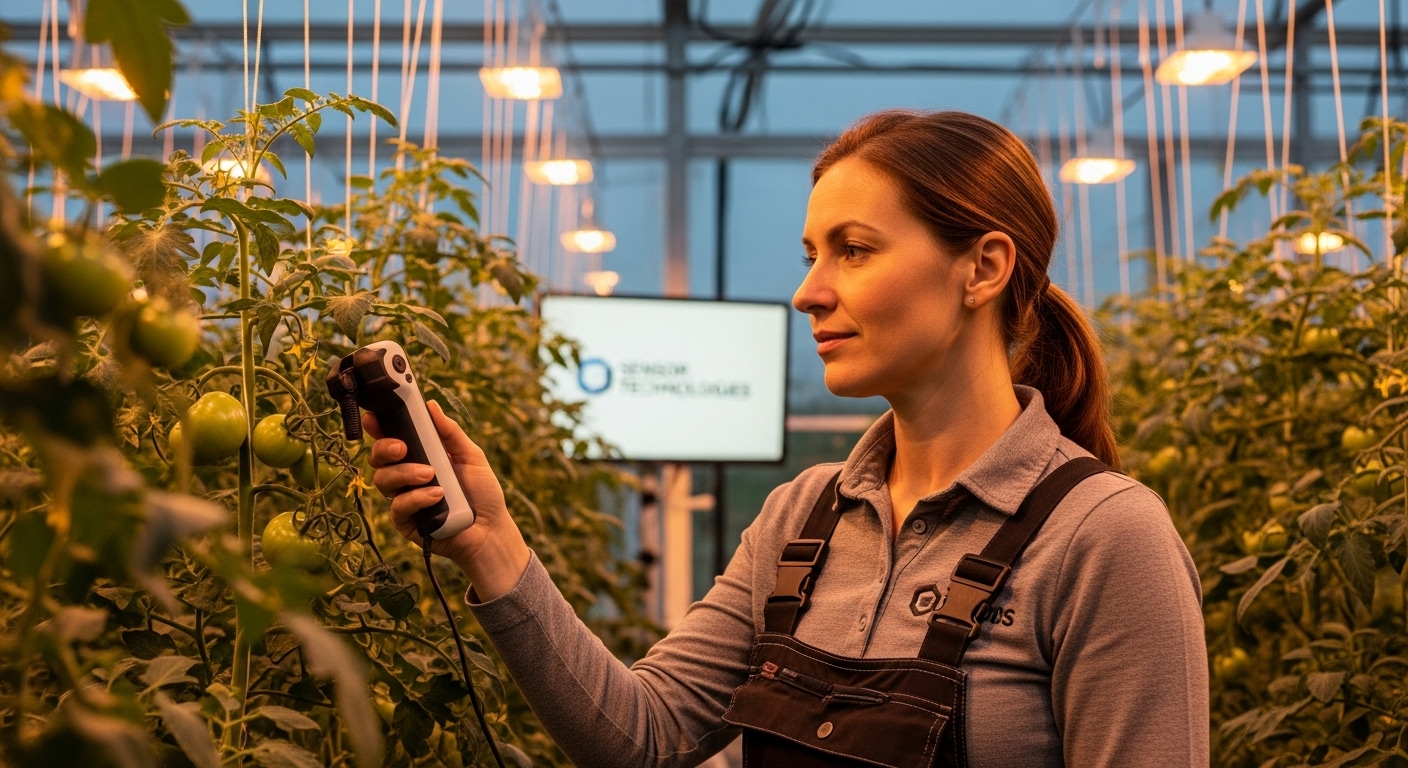
- Continuous environmental monitoring
- Precise resource allocation
- Early detection of potential crop issues
- Comprehensive farm management insights
Artificial Intelligence and Predictive Analytics
Artificial intelligence represents the most transformative technology in agricultural automation. Machine learning algorithms process vast amounts of agricultural data to generate actionable insights, predict crop yields, and optimize farming strategies. By analyzing historical and real-time information, AI systems can recommend precise interventions, helping farmers make data-driven decisions that maximize productivity and sustainability.
Understanding the Benefits of Agricultural Automation for Farmers
Agricultural automation provides transformative advantages that extend far beyond technological novelty, offering farmers comprehensive solutions to complex operational challenges. By integrating advanced technologies, farmers can fundamentally reimagine their approach to agriculture, moving from traditional practices to data-driven, precision-focused strategies.
Economic and Operational Efficiency
According to the U.S. Government Accountability Office, precision agriculture technologies deliver substantial economic benefits. Automation enables farmers to optimize resource allocation, reduce operational costs, and maximize productivity. These technologies provide farmers with unprecedented control over their agricultural processes, allowing for more strategic decision-making and financial management.
Key economic advantages include:

- Significant reduction in input costs
- Enhanced crop yield predictability
- Decreased labor expenses
- Improved operational efficiency
Resource Conservation and Sustainability
Automation technologies play a critical role in promoting sustainable agricultural practices. By enabling precise resource management, farmers can minimize environmental impact while maintaining or improving productivity. Advanced sensors and automated systems allow for targeted interventions that reduce waste and optimize resource utilization.
Sustainability benefits encompass:
- Precise water and fertilizer application
- Reduced chemical usage
- Minimized soil erosion
- Enhanced biodiversity preservation
Long-Term Strategic Advantages
Beyond immediate operational improvements, agricultural automation represents a strategic investment in the future of farming. By adopting these technologies, farmers position themselves at the forefront of agricultural innovation, capable of adapting to changing environmental conditions, market demands, and technological advancements. Automation transforms farming from a traditional occupation into a sophisticated, technology-driven profession that requires continuous learning and strategic thinking.
Real-World Applications and Examples of Agricultural Automation
Agricultural automation transforms theoretical technological potential into practical, tangible solutions across diverse farming environments. From small family farms to large commercial agricultural operations, innovative technologies are revolutionizing how food is produced, monitored, and managed.
Precision Crop Management Systems
According to Cornell University’s Institute for Digital Agriculture, advanced biosensors and automated systems are enabling unprecedented levels of crop monitoring and intervention. These sophisticated technologies allow farmers to track plant health, detect stress conditions, and implement targeted responses with remarkable accuracy.
Precision crop management technologies include:
- Wireless Sensor Networks: Real-time monitoring of soil conditions, moisture levels, and plant health
- Smart Irrigation Systems: Automated water distribution based on precise environmental data
- Drone-Based Crop Surveillance: Aerial imaging and analysis of crop development and potential issues
Autonomous Machinery and Robotic Solutions
Modern agricultural automation goes beyond monitoring, integrating fully autonomous machinery capable of performing complex farming tasks. These robotic systems can plant, cultivate, and harvest crops with minimal human intervention, dramatically improving operational efficiency and reducing labor costs.
Key autonomous machinery applications feature:
- Self-driving tractors with GPS-guided precision agriculture
- Robotic harvesters capable of identifying and picking ripe produce
- Automated weeding systems that selectively remove unwanted plants
Intelligent Data Analytics and Decision Support
At the core of agricultural automation lies sophisticated data analytics platforms that transform raw agricultural data into actionable insights. These intelligent systems aggregate information from multiple sources, providing farmers with comprehensive understanding of their agricultural operations, enabling more strategic decision-making and predictive management strategies.
Take Your Farm Automation Further With Trusted Tractor Parts
You just learned how agricultural automation transforms traditional farming by reducing manual labor, saving resources, and improving crop yields. One critical challenge highlighted in the article is ensuring your machinery and technology run smoothly for the long haul. Every automated solution, whether robotics or precision machinery, depends on reliable parts and quick access to quality replacements.
Do not let a broken part slow down your push toward a more productive and efficient farm. Explore our vast inventory of over 20,000 tractor accessories and spare parts at pexlivanidis.com. Whether you need a single filter or supply for your entire fleet, we offer fast shipping and dedicated support for agricultural professionals in Thessaloniki, Kavala, and beyond. Ready to keep your farm’s automation moving forward? Visit our online storefront to find the exact part you need and enjoy free delivery on qualifying orders. Make sure your farm’s future stays connected and competitive now.
Frequently Asked Questions
What is agricultural automation?
Agricultural automation refers to the integration of advanced technologies, such as robotics, sensors, and data analytics, into farming practices to enhance efficiency and reduce the need for manual labor.
How does agricultural automation improve crop yields?
Agricultural automation enhances crop yields by utilizing precision machinery and data analytics to optimize resource allocation, minimize waste, and enable targeted interventions for maintaining plant health.
What are some examples of technologies used in agricultural automation?
Key technologies in agricultural automation include autonomous tractors, robotic harvesters, environmental sensors, and artificial intelligence systems that analyze agricultural data for better decision-making.
Why is agricultural automation important for sustainable farming?
Agricultural automation is crucial for sustainable farming as it promotes efficient resource management, reduces chemical usage, minimizes environmental impact, and enables farmers to meet the increasing global food demands.