

Tractors have evolved far beyond simple engines and metal frames. With the rise of digital controls and advanced automation, their electrical systems now power everything from GPS navigation to complex hydraulic controls. Surprisingly, a single faulty fuse or loose cable can sideline even the most powerful machine and over 60 percent of tractor downtime is caused by electrical issues. The real secret to keeping tractors running strong is mastering the details of their electrical systems—something most operators never expect.
Table of Contents
- Defining The Tractor Electrical System: Components And Functions
- The Importance Of The Electrical System In Tractors
- How The Tractor Electrical System Works: Power And Control
- Key Concepts In Tractor Electrical Systems: Circuits And Voltages
- Real-World Applications: Maintaining Your Tractor’s Electrical System
Quick Summary
| Takeaway | Explanation |
|---|---|
| Routine Maintenance Prevents Failures | Conduct regular inspections of the battery, wiring, and alternator to catch issues early. |
| Importance of Circuit Protection | Utilize fuses and relays to safeguard electrical systems from overload and potential damage. |
| Understanding Power Management is Crucial | Master how power flows from the battery and alternator to ensure optimal operational performance. |
| Advanced Technology Reliance | Modern tractors depend on sophisticated electrical systems for GPS and hydraulic controls, impacting efficiency. |
| Proactive Strategies Extend Component Life | Cleaning connections and using protective coatings can greatly enhance the durability of electrical components. |
Defining the Tractor Electrical System: Components and Functions
A tractor electrical system represents the critical network of components responsible for generating, storing, and distributing electrical power throughout the agricultural machinery. Understanding this complex system is fundamental for maintaining optimal tractor performance and ensuring reliable operation in demanding farming environments.
The following table summarizes the core components found within a modern tractor electrical system and briefly explains their primary functions for quick reference and understanding.
| Component | Primary Function |
|---|---|
| Battery | Stores and supplies initial electrical energy for starting and circuit power |
| Alternator | Generates electrical current and recharges the battery during operation |
| Starter Motor | Cranks the engine to initiate startup |
| Wiring Harness | Distributes electrical current to various systems and components |
| Fuses and Relays | Protect circuits from overload and short circuits |
Core Components of Tractor Electrical Systems
The electrical system consists of several interconnected components that work seamlessly to support the tractor’s mechanical functions. According to North Dakota State University, these primary components include:
- Battery: Serves as the primary energy storage unit
- Alternator: Generates electrical current and recharges the battery
- Starter Motor: Initiates engine cranking and starting mechanism
- Wiring Harness: Distributes electrical current across different systems
- Fuses and Relays: Protect electrical circuits from overload and short circuits
Functional Dynamics of Electrical Power Management
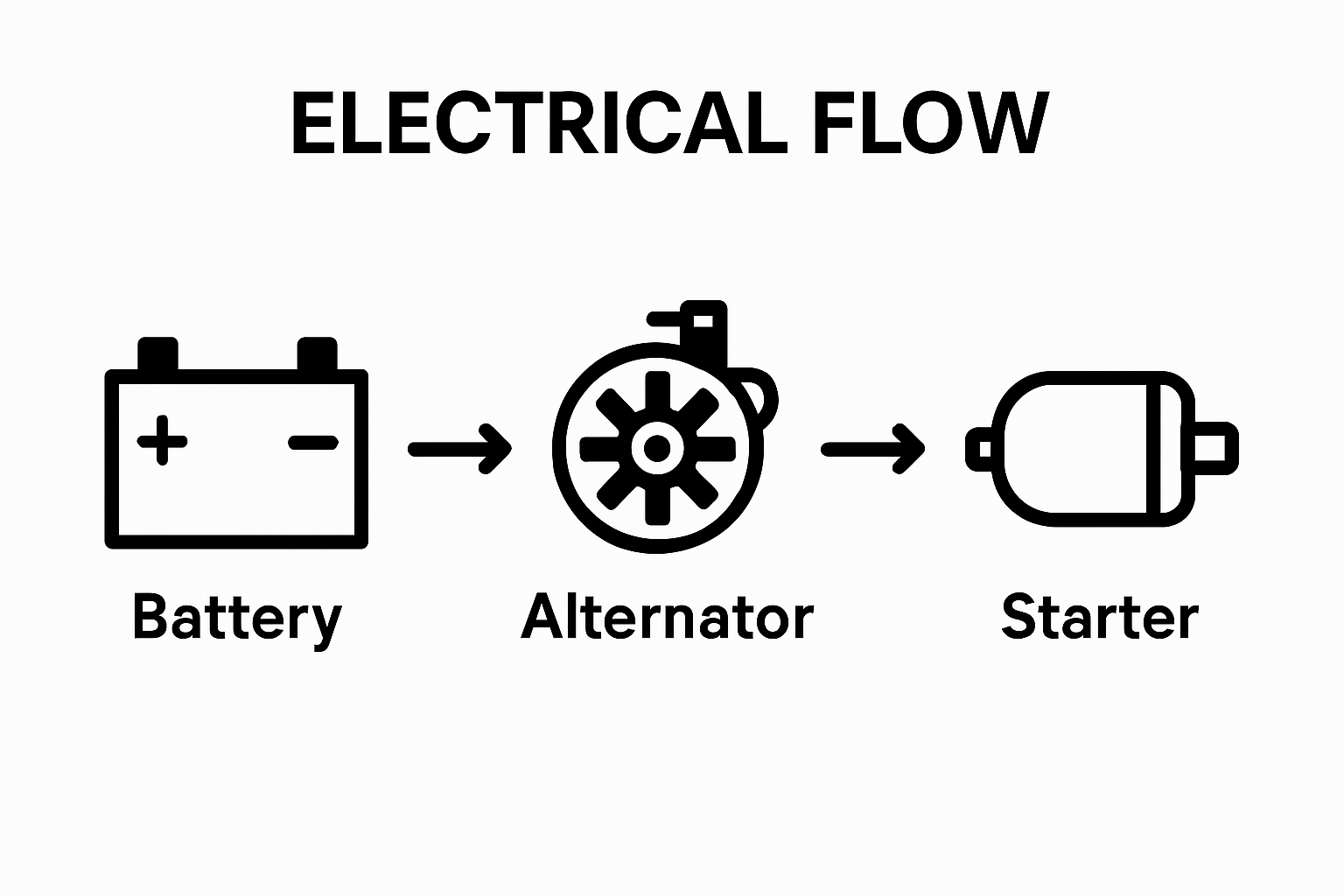
Tractor electrical systems operate through a sophisticated power management process. The battery provides initial electrical charge to start the engine, while the alternator continuously generates electricity to power various electrical components and recharge the battery during operation. This dynamic ensures consistent power supply for critical functions like ignition, lighting, instrumentation, and auxiliary equipment.
The electrical system’s design incorporates multiple protective mechanisms to prevent electrical failures. Fuses and circuit breakers act as safeguards, interrupting electrical flow when excessive current could potentially damage sensitive components.
 This protective strategy helps maintain the integrity of the tractor’s electrical infrastructure and prevents costly mechanical failures.
Importance of Electrical System Maintenance
Proper maintenance of a tractor’s electrical system is crucial for preventing unexpected breakdowns and ensuring consistent performance. Regular inspection of battery condition, alternator functionality, and wiring integrity can significantly extend the lifespan of electrical components. Farmers and agricultural operators should prioritize routine diagnostics and address potential issues before they escalate into more significant mechanical problems.
Modern tractors increasingly rely on sophisticated electrical systems to support advanced technologies like precision farming equipment, GPS navigation, and complex hydraulic controls.
Understanding the fundamental principles of electrical power management becomes essential for maximizing agricultural machinery efficiency and productivity.
The Importance of the Electrical System in Tractors
The electrical system in tractors represents far more than a simple power distribution network. It serves as the critical backbone of modern agricultural machinery, enabling complex technological integrations and ensuring consistent operational performance across diverse farming environments.
This table provides a concise comparison of how the tractor electrical system enhances key operational aspects, illustrating the broad impact of dependable and advanced electrical infrastructure on modern farming.
| Operational Aspect | Role of Electrical System |
|---|---|
| Technological Advancements | Powers GPS navigation, automation, and electronic controls |
| Equipment Performance | Manages power distribution and ensures optimal mechanical function |
| Operational Efficiency | Supports real-time monitoring and precision farming, improving productivity and reducing mechanical wear |
| Economic Impact | Reduces downtime, lowers maintenance costs, and extends component life |
Technological Advancement and Operational Efficiency
Modern tractors have transformed from purely mechanical machines to sophisticated technological platforms. According to Oak Ridge Associated Universities, electricity now plays a significant role in agricultural production, driving critical operational functions beyond traditional mechanical capabilities. The electrical system enables advanced features that dramatically enhance farming productivity and precision.
Key technological capabilities enabled by advanced electrical systems include:
- Precision GPS navigation systems
- Advanced hydraulic control mechanisms
- Real time performance monitoring
- Automated field mapping and tracking
- Electronic engine management
Power Management and Equipment Performance
The electrical system acts as the central nervous system of a tractor, coordinating multiple complex interactions between mechanical components. By managing power distribution, regulating electrical current, and protecting sensitive electronic circuits, the system ensures optimal performance under challenging agricultural conditions.
Effective electrical systems contribute to improved fuel efficiency, reduced mechanical wear, and enhanced overall equipment reliability. The ability to precisely control electrical components allows farmers to maximize operational capabilities while minimizing potential mechanical failures.
Economic and Operational Impact
Investment in robust electrical systems represents a strategic approach to agricultural machinery management. High quality electrical infrastructure reduces downtime, lowers maintenance costs, and supports increasingly sophisticated farming technologies. Modern farmers require equipment that can seamlessly integrate advanced technological capabilities while maintaining reliability in demanding field conditions.
As agricultural technologies continue evolving, electrical systems will become increasingly central to tractor design and functionality. The integration of smart technologies, electronic monitoring, and precision control mechanisms demonstrates the critical role electrical systems play in modern agricultural production strategies.
How the Tractor Electrical System Works: Power and Control
The tractor electrical system functions as a sophisticated network of interconnected components designed to generate, store, distribute, and manage electrical power with remarkable precision. Understanding its operational mechanics reveals the complex interactions that enable modern agricultural machinery to perform efficiently under challenging environmental conditions.
Electrical Power Generation Process
According to Utah State University Extension, the electrical power generation process in tractors involves several critical stages. The system begins with the battery, which provides the initial electrical charge to start the engine. Once the engine is running, the alternator takes over, continuously generating electrical current to power various systems and recharge the battery.
Key stages of electrical power generation include:
- Initial power supply from the battery
- Continuous electricity generation by the alternator
- Voltage regulation to maintain consistent electrical output
- Distribution of power across multiple electrical circuits
- Protection of sensitive electronic components
Circuit Management and Control Mechanisms
Tractor electrical systems employ sophisticated circuit management strategies to ensure reliable performance. Electrical circuits are designed with multiple protective elements like fuses, relays, and circuit breakers that monitor and control electrical flow. These components prevent overloading, short circuits, and potential damage to sensitive electronic systems.
The control mechanisms work by constantly monitoring electrical parameters such as voltage, current, and resistance. When abnormal conditions are detected, protective devices can instantly interrupt electrical flow, preventing potential damage to critical tractor components. This dynamic monitoring ensures both operational safety and equipment longevity.
Integrated Electrical System Functionality
Modern tractor electrical systems integrate multiple complex subsystems to support advanced technological capabilities. Beyond basic power generation, these systems now coordinate intricate functions like precision GPS navigation, electronic engine management, and real time performance monitoring.
The integration of electronic control units (ECUs) has transformed electrical systems from simple power distribution networks into intelligent, adaptive platforms. These advanced systems can dynamically adjust power allocation, optimize fuel efficiency, and provide comprehensive diagnostic information to operators, representing a significant technological leap in agricultural machinery design.
Key Concepts in Tractor Electrical Systems: Circuits and Voltages
Electrical systems in tractors represent intricate networks of interconnected components that manage power distribution through complex circuit configurations and precise voltage control. Understanding these fundamental concepts is crucial for maintaining optimal equipment performance and preventing potential electrical failures.
Basic Circuit Configuration and Design
According to North Dakota State University, tractor electrical circuits are designed to support critical functions including starting, lighting, instrumentation, and auxiliary equipment operation. These circuits function as structured pathways that enable controlled electrical current flow between various components.
Key characteristics of tractor electrical circuits include:
- Structured current pathways
- Multiple interconnected components
- Protective devices like fuses and circuit breakers
- Specialized wiring configurations
- Dedicated circuit design for specific functions
Voltage Management and Electrical Stability
Voltage represents the electrical potential difference that drives current through tractor electrical systems. Modern tractors typically operate on 12-volt electrical systems, which provide sufficient power for various mechanical and electronic components. Voltage regulators play a critical role in maintaining consistent electrical output, preventing potential damage from voltage fluctuations.
The voltage management process involves continuous monitoring and adjustment of electrical potential. Electronic control units (ECUs) constantly analyze electrical parameters, ensuring stable power delivery across different operational conditions. This precise control helps prevent potential electrical system failures and supports consistent machinery performance.
Circuit Protection and Safety Mechanisms
Circuit protection mechanisms are fundamental to maintaining the integrity of tractor electrical systems. Fuses, circuit breakers, and protective relays act as critical safeguards against electrical overloads, short circuits, and potential equipment damage. These components interrupt electrical flow instantaneously when abnormal conditions are detected, preventing potential catastrophic failures.
Advanced electrical systems now incorporate sophisticated diagnostic capabilities, allowing operators to quickly identify and address potential electrical issues. The integration of intelligent monitoring systems represents a significant advancement in tractor electrical technology, providing real time insights into system performance and potential maintenance requirements.
Real-World Applications: Maintaining Your Tractor’s Electrical System
Maintaining a tractor’s electrical system requires a proactive and systematic approach that goes beyond basic troubleshooting. Effective maintenance involves understanding complex interactions between electrical components and implementing strategic diagnostic and preservation techniques.
Routine Diagnostic and Inspection Protocols
According to University of Vermont’s Ground Work Tractor Resource Hub, comprehensive electrical system maintenance involves regular and strategic inspections. Farmers and agricultural operators must develop a consistent diagnostic routine that identifies potential issues before they escalate into significant mechanical problems.
Key diagnostic practices include:
- Monthly battery condition assessment
- Quarterly wiring harness integrity checks
- Alternator performance verification
- Fuse and relay system examination
- Comprehensive electrical circuit testing
Preventative Maintenance Strategies
Preventative maintenance represents the most effective approach to electrical system longevity. This strategy involves systematically addressing potential vulnerabilities before they compromise tractor performance. Regular cleaning of electrical connections, applying protective dielectric grease, and ensuring proper cable tension can significantly extend the lifespan of electrical components.
Operators should focus on maintaining clean electrical connections, protecting wiring from moisture and environmental degradation, and regularly checking battery terminals for corrosion. These simple yet critical maintenance steps can prevent unexpected electrical failures and reduce overall equipment downtime.
Environmental Considerations and Best Practices
Tractor electrical systems must withstand diverse and often challenging agricultural environments. Dust, moisture, temperature fluctuations, and mechanical vibrations can significantly impact electrical component performance. Implementing protective strategies such as using weatherproof connectors, applying protective coatings, and storing equipment in controlled environments can mitigate potential environmental damage.
Modern agricultural professionals increasingly recognize electrical system maintenance as a critical investment in equipment reliability. By adopting a comprehensive, proactive maintenance approach, farmers can ensure their tractors remain operationally robust, technologically responsive, and capable of meeting the demanding requirements of contemporary agricultural production.

Keep Your Tractor Electrical System Reliable with the Right Parts
Electrical issues can turn a productive day in the field into unexpected downtime. As explored in our article, a well-maintained tractor electrical system is critical for everything from starting your engine to powering modern GPS and monitoring technology. When wiring, batteries, or critical connectors fail, farm tasks grind to a halt. You deserve confidence your tractor has the support it needs to handle demanding jobs and evolving technology.
If you want to avoid costly breakdowns and keep your tractor running strong, equip yourself with quality, compatible parts from trusted specialists. Visit pexlivanidis.com to explore a wide range of tractor electrical accessories and spare parts. You will benefit from fast shipping across Greece, a selection of over 20000 products, and support for both individual and wholesale customers. Do not wait for electrical failures to slow you down. Browse now to find the reliable tractor parts you need today.
Frequently Asked Questions
What are the primary components of a tractor’s electrical system?
The primary components include the battery, alternator, starter motor, wiring harness, and fuses and relays. Each plays a critical role in generating, storing, and distributing electrical power throughout the tractor.
How does the electrical system in a tractor enhance operational efficiency?
The electrical system powers essential functions such as ignition, lighting, and advanced technologies like GPS navigation and real-time performance monitoring, allowing for improved fuel efficiency and reduced mechanical wear.
Why is regular maintenance of the tractor’s electrical system important?
Regular maintenance prevents unexpected breakdowns, ensures optimal performance, and extends the lifespan of electrical components by identifying potential issues before they escalate into more severe mechanical problems.
What are common signs of electrical system failure in tractors?
Common signs include difficulty starting the engine, dim or flickering lights, malfunctioning gauges, and unusual sounds from electrical components. These issues indicate that the electrical system may need inspection or repair.