

Modern tractors rely on much more than horsepower to get the job done. Without a reliable alternator, even the most advanced agricultural machinery can stall in the middle of a busy season. Up to 90 percent of electrical failures in tractors trace back to alternator issues, making this modest component critical for daily farm operations. Understanding how a tractor alternator works, its types, and how to maintain it helps ensure smooth performance and protects your investment out in the field.
Table of Contents
- What Is A Tractor Alternator? Core Functions And Importance
- Types Of Tractor Alternators And Key Differences
- How Tractor Alternators Work In Agricultural Machinery
- Common Issues And Maintenance Best Practices
- Choosing The Right Alternator For Your Tractor
Key Takeaways
| Point | Details |
|---|---|
| Importance of Tractor Alternators | Tractor alternators are vital for generating electrical power to recharge batteries and operate electrical accessories during engine operation. |
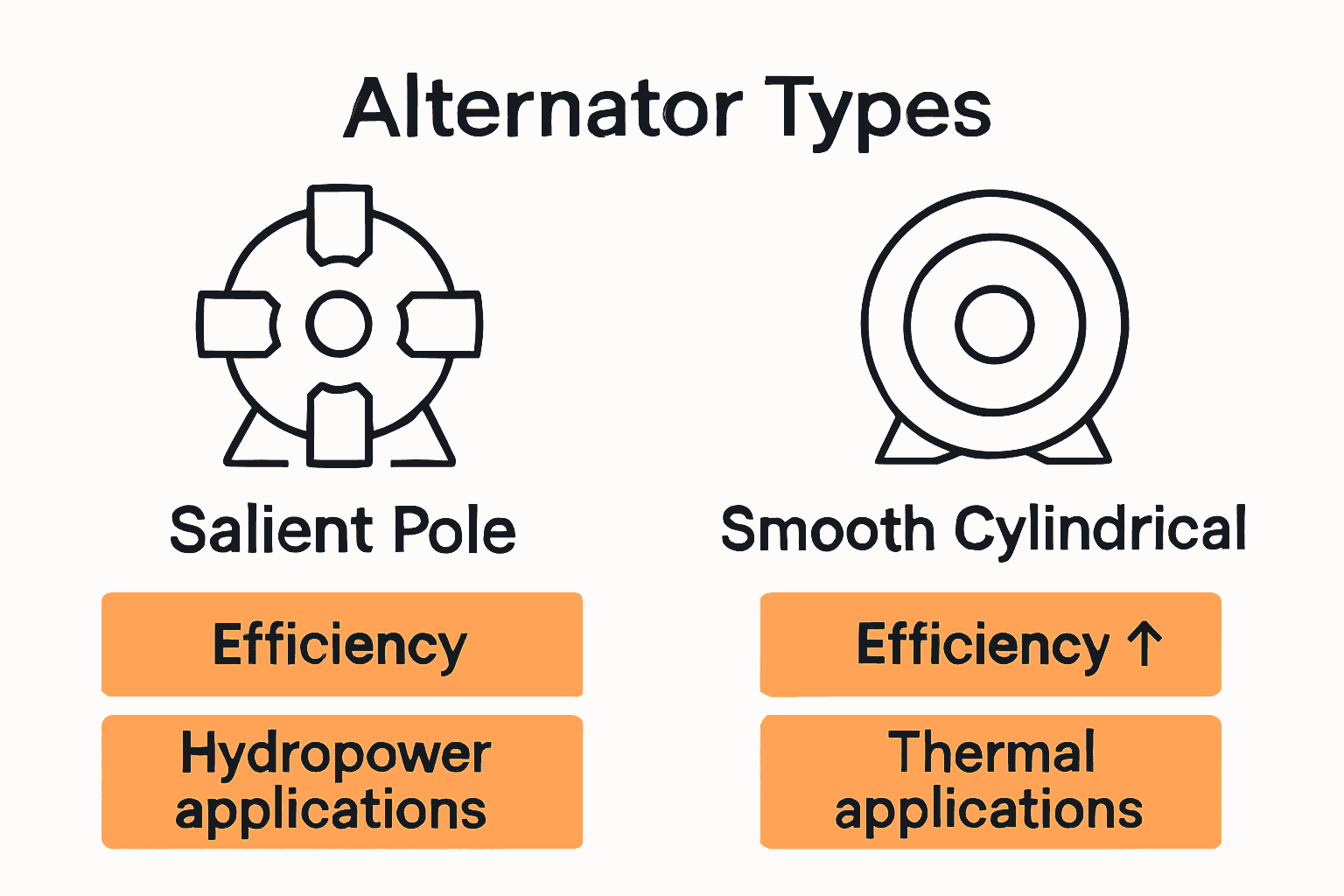
| Types of Alternators | Salient pole rotor alternators are best for low-speed agricultural machinery, while smooth cylindrical rotors are suited for high-speed applications. |
| Maintenance Practices | Regular inspections and prompt replacements of worn components are essential for maintaining alternator performance and preventing system failures. |
| Choosing the Right Alternator | Carefully evaluate electrical load requirements, mechanical compatibility, and environmental factors to select an appropriate alternator for specific tractor needs. |
What Is a Tractor Alternator? Core Functions and Importance
A tractor alternator is an essential electrical component that generates power to keep your agricultural machinery running smoothly. According to unevoc.unesco.org, the alternator produces electrical power by passing a conductor through an electromagnetic field, converting alternating current (AC) into direct current (DC) through specialized diodes.
The primary function of a tractor alternator goes far beyond simple power generation. scribd.com explains that this critical device generates electricity while the engine operates, serving two fundamental purposes: recharging the battery and powering various electrical accessories. Without a properly functioning alternator, your tractor’s electrical systems would quickly become compromised.
Key responsibilities of a tractor alternator include:
- Continuously generating electrical power during engine operation
- Maintaining battery charge levels
- Supplying consistent electricity to critical electrical components
- Supporting complex electronic systems in modern agricultural machinery
Unlike older generator systems, modern alternators offer superior performance at low engine speeds, making them indispensable for tractors operating in diverse agricultural environments. They efficiently convert mechanical energy into electrical energy, ensuring that every piece of electrical equipment from lighting to communication systems remains fully operational throughout long working days in the field.
Types of Tractor Alternators and Key Differences
Tractor alternators are not a one-size-fits-all component, with multiple design variations tailored to specific agricultural machinery needs. According to linquip.com, alternators can be categorized based on several critical factors including use, design, output power, and cooling methods.
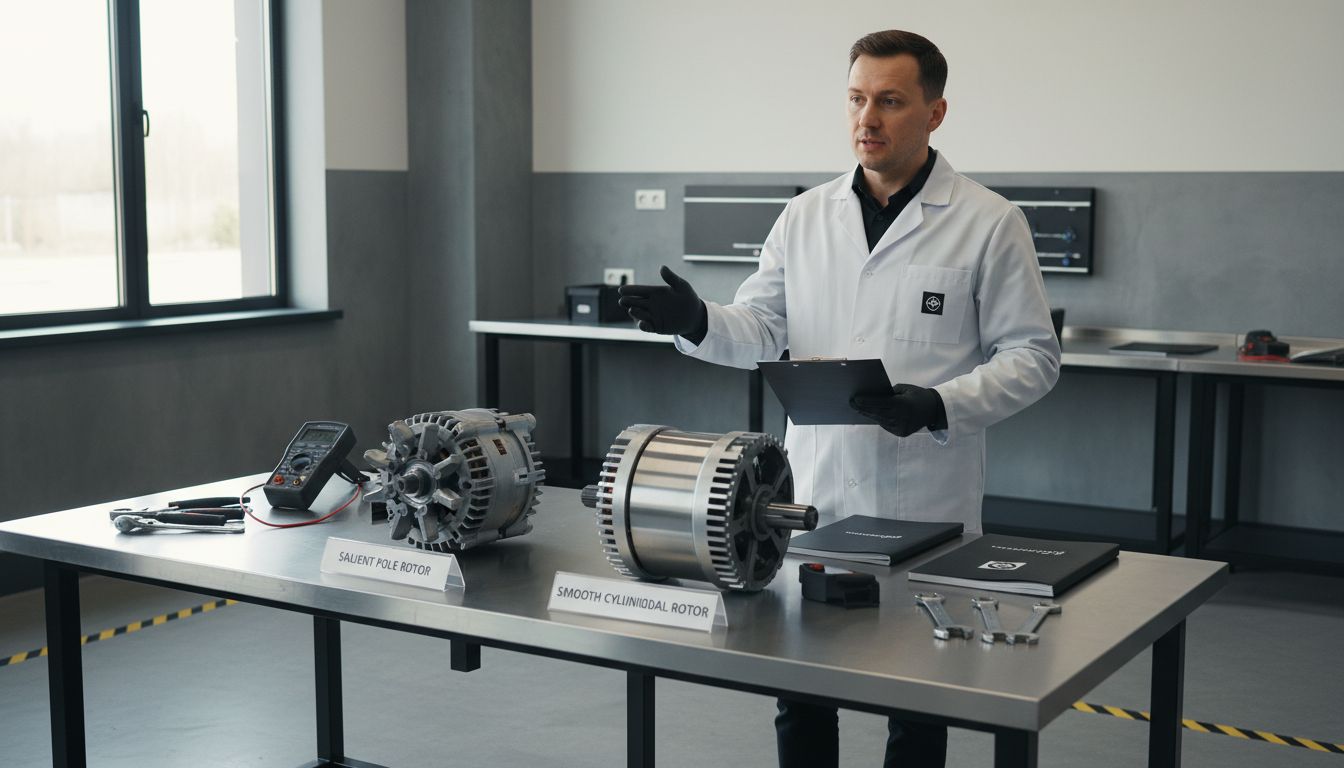
Rotor Design is a primary distinguishing factor among tractor alternators. vaia.com highlights two primary rotor configurations: salient pole and smooth cylindrical rotors. For agricultural applications, salient pole rotors are predominantly used due to their exceptional performance in low and medium-speed operational environments.
Key Types of Tractor Alternators:
Here’s a comparison of the main types of tractor alternators:
| Feature | Salient Pole Rotor Alternator | Smooth Cylindrical Rotor Alternator |
|---|---|---|
| Optimal Use | Low-speed machinery | High-speed machinery |
| Efficiency at Variable Speeds | High | Moderate |
| Maintenance Requirements | Lower | Moderate |
| Magnetic Field Distribution | Concentrated at poles | Uniform |
| Typical Applications | Agricultural tractors Harvesters |
Industrial engines |
- Salient Pole Rotor Alternators
- Optimized for low-speed agricultural machinery
- Enhanced efficiency in variable speed conditions
- Lower maintenance requirements
- Smooth Cylindrical Rotor Alternators
- Better suited for high-speed industrial applications
- More uniform magnetic field distribution
- Higher rotational speeds
Beyond rotor design, tractor alternators differ in additional specifications such as amperage output, voltage regulation, and mounting configurations. The choice depends on specific tractor models, electrical system requirements, and the demanding conditions of agricultural work. Farmers and equipment managers must carefully consider these variations to ensure optimal electrical performance and reliability in their machinery.
How Tractor Alternators Work in Agricultural Machinery
The electrical heartbeat of modern agricultural machinery lies within the tractor alternator, a complex yet critical component that transforms mechanical energy into electrical power. According to unevoc.unesco.org, the alternator generates alternating current (AC) as the engine runs, which is subsequently converted to direct current (DC) to recharge the battery and power essential electrical systems during fieldwork.
Mechanical energy conversion is the fundamental process driving alternator functionality. scribd.com explains that the alternator transforms the engine’s rotational motion into electrical energy, supplying consistent power to the tractor’s battery and various electrical accessories. This intricate process involves several key components working in precise synchronization.
The Electrical Energy Conversion Process:
- Rotor Rotation: Engine’s mechanical motion spins the alternator’s rotor
- Electromagnetic Induction: Spinning rotor generates alternating current
- Diode Rectification: AC is converted to DC for battery charging
- Voltage Regulation: Ensures consistent electrical output
Modern tractor alternators are engineered to withstand extreme agricultural environments, delivering reliable electrical performance across varying engine speeds and challenging terrain. From powering GPS systems to supporting advanced diagnostic tools, these sophisticated electrical generators are essential for maintaining operational efficiency in contemporary agricultural machinery.
Common Issues and Maintenance Best Practices
Tractor alternators are robust components, but they’re not immune to wear and potential failures. unevoc.unesco.org highlights that regular maintenance is crucial, identifying common issues such as worn-out brushes and faulty diodes that can significantly compromise the alternator’s charging capabilities.
Preventative maintenance is the key to extending your tractor alternator’s lifespan. According to scribd.com, routine inspections and prompt component replacement are essential to prevent unexpected breakdowns and maintain optimal electrical system performance.
Critical Maintenance Checklist:
- Visual Inspection
- Check for visible wear on belts
- Examine electrical connections for corrosion
- Look for signs of physical damage
- Electrical System Diagnostics
- Test battery voltage regularly
- Verify alternator output
- Monitor charging system performance
Warning signs of alternator problems include dimming lights, battery warning indicators, unusual electrical system behavior, and difficulty starting the tractor. Professional diagnostic tools can help identify issues early, preventing costly repairs and potential equipment downtime. Farmers and agricultural equipment operators should integrate alternator maintenance into their regular machinery service schedule to ensure reliable performance during critical farming operations.
Choosing the Right Alternator for Your Tractor
Selecting the appropriate alternator for your tractor is a critical decision that directly impacts electrical system performance and overall machinery reliability. baycountymi.gov emphasizes the importance of matching the alternator’s output precisely to the tractor’s electrical load requirements, warning that improper sizing can compromise system reliability and lead to potential equipment failures.
linquip.com recommends a comprehensive evaluation of several key selection factors when choosing a tractor alternator. These critical considerations go beyond simple electrical specifications and encompass the unique operational demands of agricultural machinery.
Critical Selection Criteria:
- Electrical Load Calculation
- Total power requirements of all electrical accessories
- Future expansion potential
- Peak power demand during intensive operations
- Mechanical Compatibility
- Rotor design matching tractor’s engine speed
- Mounting configuration
- Physical dimensions and weight
- Environmental Considerations
- Durability in harsh agricultural environments
- Temperature and moisture resistance
- Vibration and shock tolerance
Beyond technical specifications, farmers must consider long-term reliability, manufacturer reputation, and compatibility with existing electrical systems.
 Professional consultation or detailed diagnostic assessments can provide invaluable insights into selecting an alternator that will deliver consistent performance throughout the demanding cycles of agricultural work.
Keep Your Tractor Running Strong With the Right Alternator Solutions
Understanding the vital role of your tractor alternator means recognizing how critical reliable electrical power is for your agricultural operations. The challenges of low-speed performance, maintaining battery charge, and preventing costly breakdowns demand high-quality, compatible alternator parts you can trust. Whether you face dimming lights, unexpected battery issues, or need to match the exact specifications for your tractor model, choosing the right replacement or upgrade is key to keeping your equipment in top shape.
At pexlivanidis.com, you gain access to a vast inventory of specialized tractor accessories and spare parts, including alternators designed for rugged agricultural conditions. Benefit from fast shipping in Greece and expert support to help you find parts that fit and perform perfectly. Don’t let electrical failures slow you down. Explore our wide selection today and secure reliable power for your tractor with our trusted products and services. Take the next step now by visiting our online store and discover how easy it is to keep your machinery charged and ready for every task.
Frequently Asked Questions
What is the main function of a tractor alternator?
The main function of a tractor alternator is to generate electrical power while the engine operates. It recharges the battery and supplies power to various electrical accessories, ensuring the electrical systems remain operational.
How do I maintain my tractor alternator for optimal performance?
To maintain your tractor alternator, conduct regular visual inspections for wear or damage, check electrical connections for corrosion, and perform electrical system diagnostics to test battery voltage and verify alternator output.
What are the key differences between salient pole rotor and smooth cylindrical rotor alternators?
Salient pole rotor alternators are optimized for low-speed agricultural machinery and offer high efficiency at variable speeds, while smooth cylindrical rotor alternators are better suited for high-speed industrial applications, featuring more uniform magnetic field distribution.
What are common signs of a failing alternator in my tractor?
Common signs of a failing alternator include dimming lights, battery warning indicators, unusual electrical system behavior, and difficulty starting the tractor. Regular diagnostics can help identify issues early to prevent costly repairs.