

Most American farmers know that the right gearbox can make or break a day in the field. With over 2 million tractors at work across the United States alone, gearbox performance plays a critical role in tackling different tasks smoothly. Understanding gearbox basics is not just about mechanical know-how—it helps farmers maximize output, save on repairs, and improve safety on demanding terrain. This guide explains what makes tractor gearboxes so vital and how to get the best out of your equipment.
Table of Contents
- Gearbox Basics In Tractor Operation
- Different Types Of Tractor Gearboxes
- How Tractor Gearboxes Work In Practice
- Common Gearbox Problems And Solutions
- Choosing And Maintaining The Right Gearbox
Key Takeaways
| Point | Details |
|---|---|
| Gearbox Functionality | A gearbox is essential for converting engine power to controlled motion, enabling efficient operation across various agricultural tasks. |
| Types of Gearboxes | Understanding different gearbox types, like non-synchronized and power shift, helps select the right equipment for specific farming needs. |
| Common Gearbox Issues | Regular maintenance and fluid checks can prevent common gearbox problems such as gear grinding and fluid leaks, ensuring reliable performance. |
| Selecting the Right Gearbox | Choosing the appropriate gearbox involves evaluating torque, speed requirements, and compatibility with tasks to ensure efficiency and durability. |
Gearbox Basics in Tractor Operation
A gearbox is the mechanical heart of a tractor’s transmission system, responsible for transforming engine power into controlled, variable motion across different terrains and agricultural tasks. Transmission components play a critical role in managing how power transfers from the engine to the wheels, allowing farmers precise speed and torque adjustment.
At its core, a gearbox contains a series of interlocking gears that enable speed modification and power distribution. These gears allow tractors to operate efficiently across diverse conditions – from slow, high-torque tasks like plowing heavy soil to faster transportation between fields. Farmers can shift between gear ranges to match specific operational requirements, ensuring optimal performance and fuel efficiency.
The gearbox mechanism typically includes multiple gear ratios that provide mechanical advantage. Low gears generate substantial pulling power for challenging terrain, while higher gears facilitate faster movement. This versatility makes the gearbox a fundamental component in agricultural machinery, enabling tractors to handle everything from delicate cultivation to heavy-duty ground preparation. Drive train components work synergistically to ensure smooth power transmission and operational flexibility.
Pro Maintenance Tip: Regular gearbox lubrication and timely oil changes can significantly extend your tractor’s transmission lifespan and prevent costly mechanical failures.
Different Types of Tractor Gearboxes
Tractor gearboxes come in several configurations, each designed to meet specific agricultural operational requirements. Transmission types vary significantly based on complexity, engagement mechanism, and performance characteristics, allowing farmers to select equipment tailored to their specific needs.
The primary tractor gearbox types include non-synchronized manual transmissions, synchronized manual transmissions, and power shift transmissions. Non-synchronized transmissions require manual clutch engagement for each gear change, demanding more operator skill but offering lower initial equipment costs. Synchronized transmissions, by contrast, allow smoother gear shifts without fully disengaging the clutch, providing more comfort and reducing mechanical wear during operation.
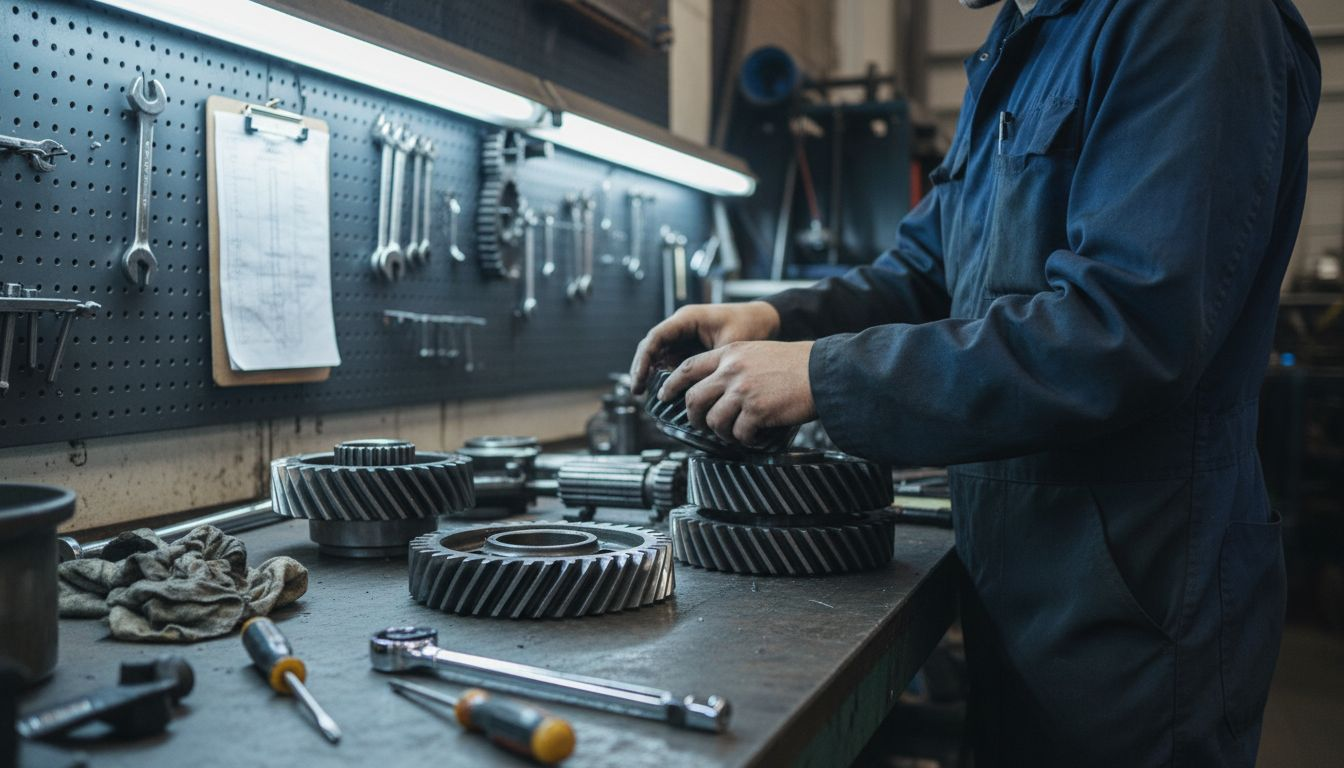
Power shift transmissions represent the most advanced gearbox technology, enabling operators to change gears under load without using a clutch pedal. Agricultural machinery transmission systems have evolved to provide increasingly sophisticated options that enhance operator efficiency and machine performance. These modern transmissions often include multiple gear ranges, allowing precise speed control across diverse farming tasks from light cultivation to heavy-duty field preparation.
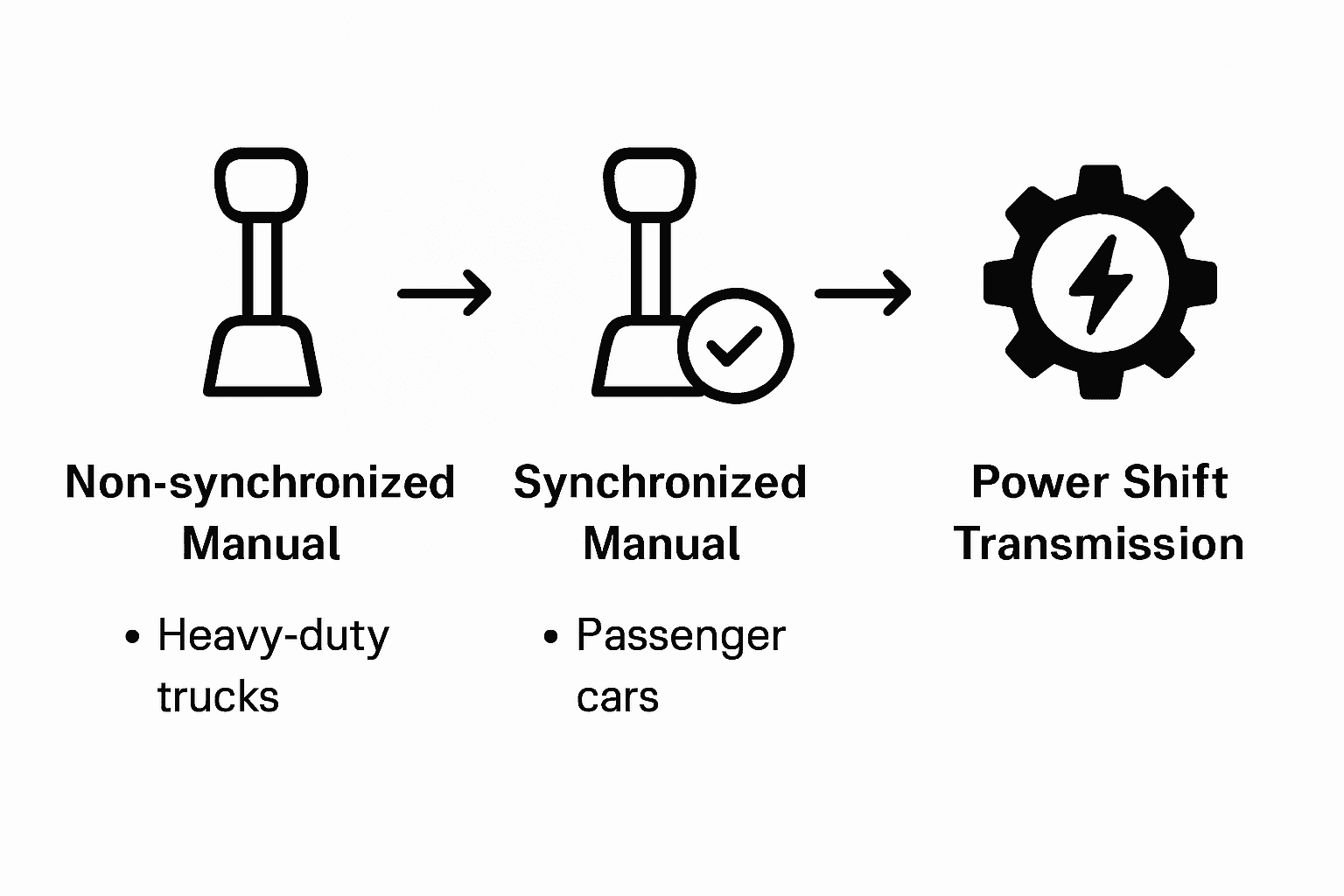
Here is a comparison of common tractor gearbox types and their best use cases:
| Gearbox Type | Key Advantages | Typical Use Case |
|---|---|---|
| Non-synchronized Manual | Low initial cost, simple design | Heavy tillage on simple terrain |
| Synchronized Manual | Smoother shifts, less wear | Frequent shifting or transport |
| Power Shift | Shift under load, high comfort | Intensive, variable field work |
Pro Selection Tip: Always match your gearbox type to your specific farming requirements, considering factors like terrain complexity, typical task demands, and your personal operating comfort level.
How Tractor Gearboxes Work in Practice
Operating a tractor gearbox requires understanding its core mechanical principles and mastering precise engagement techniques. Practical transmission control techniques involve smooth clutch management, deliberate gear selection, and maintaining appropriate engine speed during transitions.
In manual transmission tractors, operators must coordinate three key actions: depressing the clutch, selecting the appropriate gear, and gradually releasing the clutch while applying gentle throttle. Non-synchronized transmissions demand more skill, requiring complete clutch disengagement and precise timing to prevent gear grinding. Synchronized transmissions offer more forgiveness, allowing partial clutch engagement and smoother gear changes without complete power interruption.
Modern tractor gearboxes incorporate sophisticated mechanisms that simplify operational complexity. Agricultural machinery transmission systems now include features like automatic shifting, load sensing capabilities, and integrated computer controls that optimize power delivery and reduce operator fatigue. These advanced systems can automatically adjust gear ratios based on load conditions, terrain, and implement requirements, transforming the traditional manual shifting process into a more intuitive experience.
Pro Operation Tip: Always start gear changes at a consistent engine RPM and use smooth, deliberate movements to minimize transmission stress and extend your tractor’s operational lifespan.
Common Gearbox Problems and Solutions
Tractor gearboxes are complex mechanical systems prone to specific operational challenges that can significantly impact agricultural productivity. Farm equipment mechanical troubleshooting requires systematic diagnostic approaches to identify and resolve transmission-related issues before they escalate into costly repairs.
The most common gearbox problems include gear grinding, unexpected noise during shifts, fluid leaks, and unexpected power loss. Gear grinding typically indicates synchronization issues or improper clutch engagement, often resulting from operator technique or internal wear. Unusual noises like grinding, clicking, or whining can signal bearing damage, gear misalignment, or insufficient lubrication. Fluid leaks around seals and gaskets suggest seal deterioration and require immediate attention to prevent extensive transmission damage.
Preventive maintenance plays a critical role in minimizing gearbox complications. Agricultural machinery maintenance procedures emphasize regular fluid checks, proper lubrication, and timely component inspections. Operators should monitor transmission fluid levels, color, and consistency, replace filters at recommended intervals, and address minor issues before they transform into major mechanical failures. Advanced diagnostics may require professional assessment, particularly when complex internal components show signs of wear or mechanical stress.
Below is a summary of frequent gearbox problems and their likely underlying causes:
| Problem | Common Cause | Recommended Action |
|---|---|---|
| Gear grinding | Worn synchronizers or bad timing | Inspect and adjust clutch |
| Unusual noise | Damaged bearings or gears | Check for wear and lubricate |
| Fluid leaks | Faulty seals or gaskets | Replace seals immediately |
| Power loss | Internal component failure | Seek professional diagnosis |
Pro Maintenance Tip: Conduct monthly transmission fluid inspections and listen carefully for unusual sounds during gear shifts, addressing potential issues immediately to prevent expensive transmission repairs.
Choosing and Maintaining the Right Gearbox
Selecting the appropriate gearbox for agricultural machinery requires careful consideration of multiple technical and operational factors. Transmission optimization strategies involve analyzing performance requirements, terrain conditions, and specific farming tasks to ensure maximum efficiency and longevity.
Key selection criteria include torque requirements, operational speed ranges, and compatibility with specific implements. Farmers must evaluate factors such as power density, mechanical limitations, and thermal performance when matching a gearbox to their tractor’s intended use. High-torque applications like deep plowing demand robust transmission systems with excellent load-bearing capabilities, while lighter tasks might require more flexible gear configurations that prioritize precision and smooth power delivery.
Maintaining the right gearbox involves routine inspection, proper lubrication, and proactive component monitoring. Gearbox selection considerations emphasize the importance of understanding mechanical stress points, tracking fluid quality, and addressing potential wear patterns before they escalate into significant mechanical failures. Regular diagnostics, including vibration analysis, fluid sampling, and comprehensive visual inspections, can help farmers predict and prevent potential transmission issues.
Pro Selection Tip: Consult with agricultural machinery experts and conduct thorough performance assessments before investing in a new tractor gearbox, ensuring precise alignment with your specific farming operational needs.
Keep Your Tractor Gearbox Running Smoothly with Expert Parts and Service
Understanding the crucial role of the gearbox in your tractor means recognizing the importance of reliable, high-quality parts and maintenance supplies. Whether you face challenges like gear grinding, fluid leaks, or simply need routine lubrication to extend your transmission’s life, having the right components can prevent costly downtime and enhance performance across all types of terrain and tasks.
At pexlivanidis.com, you will find an extensive inventory of over 20,000 agricultural machinery parts designed to support your tractor’s gearbox and transmission system. Benefit from our free shipping offer within Greece for orders over 100€, and explore options suited for both retail and wholesale customers. Don’t wait until a small gearbox problem becomes a major headache. Visit pexlivanidis.com today to secure trusted tractor accessories and spare parts that keep you working efficiently.
Explore our selection now by visiting the landing page to find exactly what you need for gearbox maintenance and repair. Stay ahead of tractor wear and keep your farm operations running without interruption.
Frequently Asked Questions
What is the role of a gearbox in a tractor?
A gearbox in a tractor is responsible for transforming engine power into controlled motion, allowing for precise speed and torque adjustments to handle various agricultural tasks.
How do different types of tractor gearboxes impact performance?
Different types of tractor gearboxes, such as non-synchronized, synchronized, and power shift transmissions, affect performance by varying ease of gear changes, operational comfort, and the ability to shift under load, enhancing efficiency for specific tasks.
What maintenance is required for a tractor’s gearbox?
Regular maintenance for a tractor’s gearbox includes lubrication checks, timely oil changes, and inspections for fluid leaks and unusual noises to prevent mechanical failures and extend its lifespan.
What are common problems associated with tractor gearboxes?
Common problems with tractor gearboxes include gear grinding, unusual noises during shifts, fluid leaks, and unexpected power loss, often resulting from operator technique, wear, or inadequate maintenance.