

Over 60 percent of American farmers rely on dependable tractors to keep their fields running smoothly. Whether navigating rough terrain or hauling heavy loads, understanding the role of a tractor clutch can make all the difference when it comes to efficiency and equipment longevity. This guide highlights what makes the clutch such a critical part of every American farmer’s machinery, how it works under real-world pressure, and what to watch for when it comes to maintenance and replacement.
Table of Contents
- What Is A Tractor Clutch And Its Role
- Types Of Tractor Clutches And Key Differences
- How Tractor Clutches Operate Under Load
- Common Symptoms Of Clutch Wear And Failure
- Choosing And Replacing Tractor Clutch Parts
Key Takeaways
| Point | Details |
|---|---|
| Tractor Clutch Functionality | The tractor clutch enables a temporary connection and disconnection between the engine and transmission, essential for smooth power management during operations. |
| Types of Clutches | Farmers should choose between wet and dry friction clutches based on operating conditions, as each has unique maintenance needs and performance characteristics. |
| Indicators of Clutch Wear | Symptoms of clutch degradation include slippage, unusual noises, and difficulty engaging gears, which should be monitored for proactive maintenance. |
| Selecting Replacement Parts | Accurate measurement and selection of high-quality replacement parts are crucial for maintaining optimal clutch performance and longevity in agricultural applications. |
What Is a Tractor Clutch and Its Role
A tractor clutch represents a critical mechanical component that serves as the vital power transfer mechanism between an engine and transmission system. Mechanically, a clutch allows an output shaft to be disconnected from a rotating input shaft, enabling smooth power management and precise control during agricultural operations.
The primary function of a tractor clutch involves creating a temporary connection and disconnection between the engine’s power source and the transmission system. This mechanical linkage allows operators to change gears, stop the tractor’s movement without shutting down the engine, and manage power delivery with exceptional precision. When an operator presses the clutch pedal, it interrupts power transmission, creating a seamless transition that prevents jerky movements and potential mechanical stress.
Tractor clutches typically operate through several key mechanical principles. They consist of friction-based components that engage and disengage power transfer, including a pressure plate, clutch disc, and flywheel. When fully engaged, these components create a solid connection that transfers engine power directly to the transmission. The design allows for gradual power application, which is crucial in agricultural settings where controlled, smooth movements can significantly impact operational efficiency and equipment longevity.
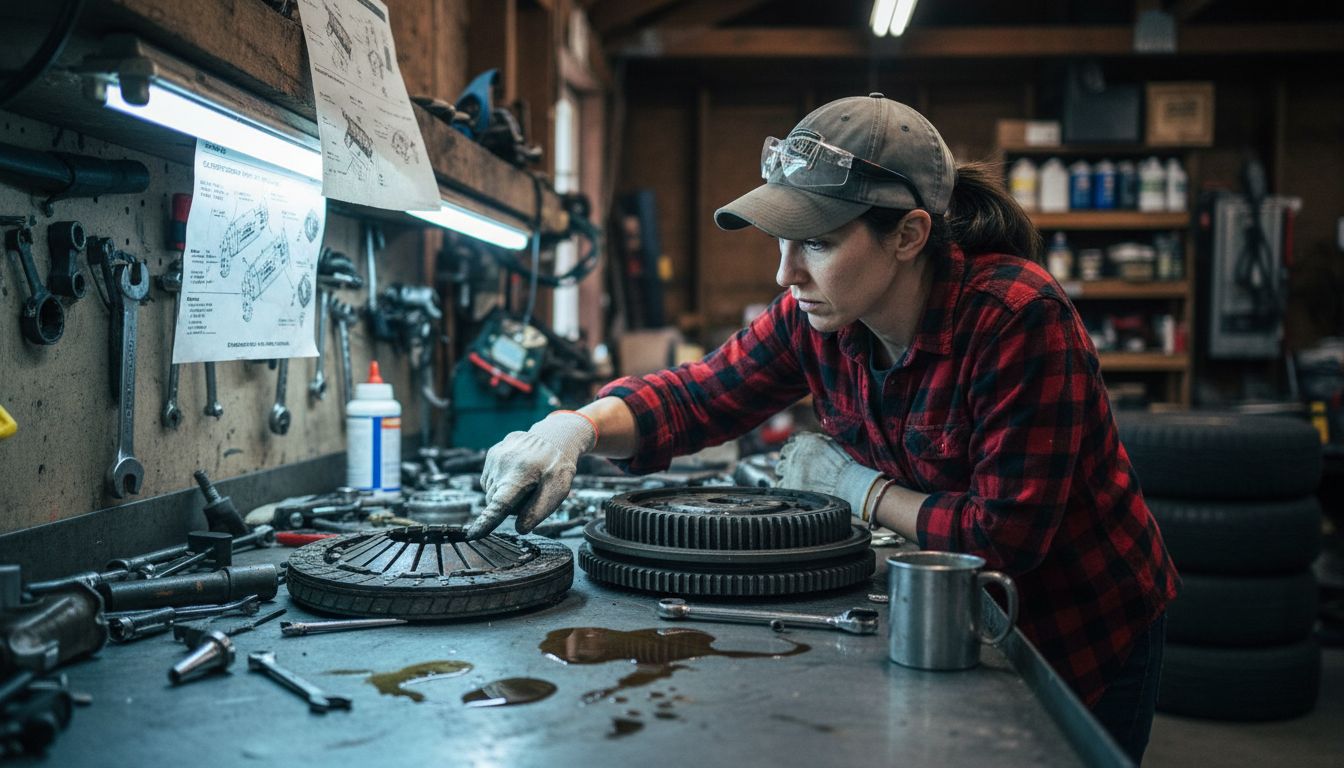
Understanding essential transmission parts and their interactions helps farmers and operators appreciate the sophisticated engineering behind these critical mechanical systems. A well-maintained clutch ensures that tractors can perform complex tasks with reliability, from plowing fields to transporting heavy loads across challenging terrains.
Types of Tractor Clutches and Key Differences
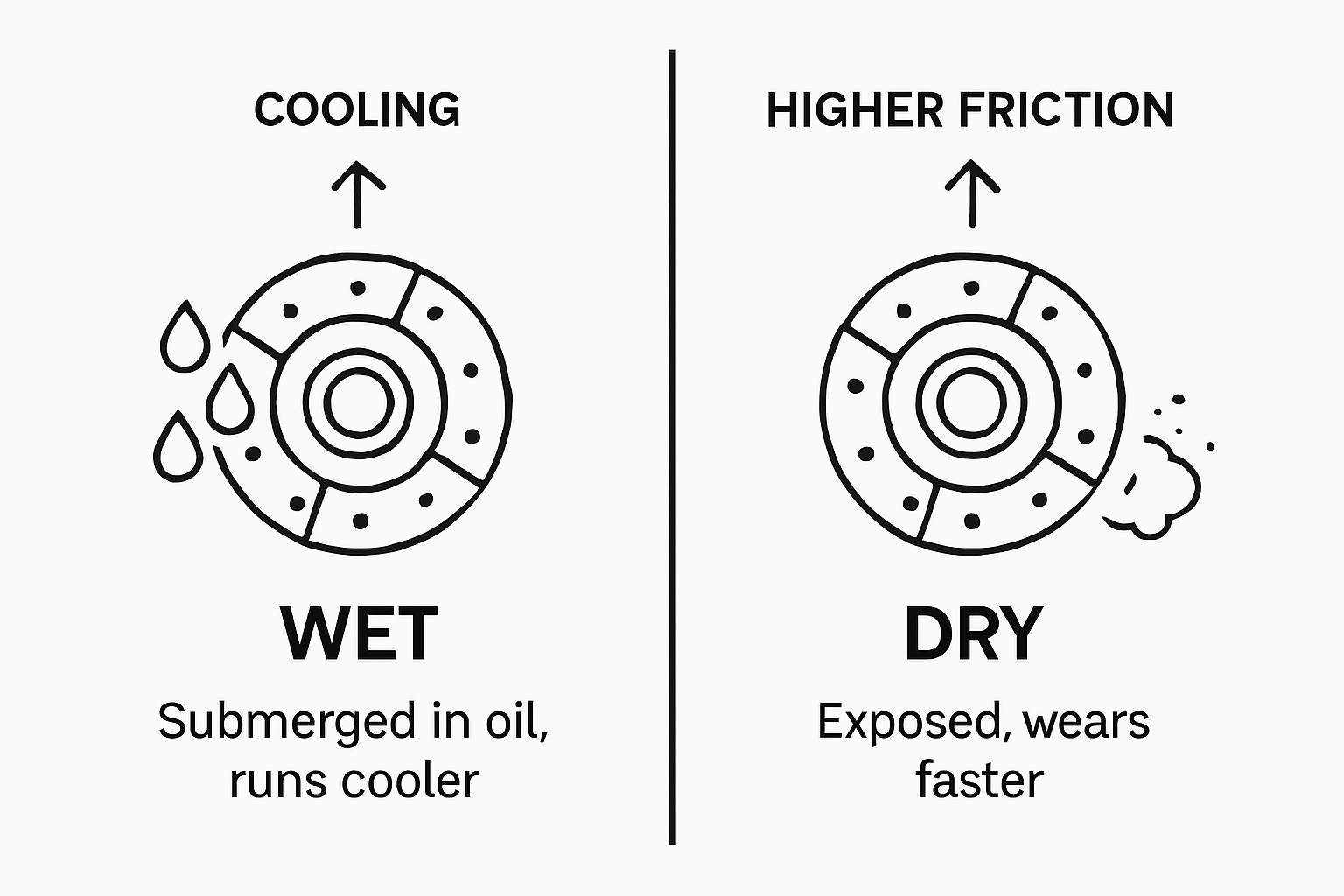
Friction clutches represent the most prevalent type of clutch system in agricultural tractors, offering multiple configurations that address diverse operational requirements. According to research, these clutches can be categorized into wet and dry systems, each with unique characteristics that impact performance and maintenance needs.
The two primary friction clutch variants have distinct operational environments. Wet clutch systems operate completely submerged in oil, which provides superior cooling and reduces wear through constant lubrication. Dry clutch systems, conversely, function without oil immersion and are increasingly favored in modern tractor designs due to their simpler maintenance requirements and lighter weight. Farmers must consider factors like operating temperature, terrain complexity, and expected workload when selecting between these two friction clutch configurations.
Beyond friction designs, tractor clutches also encompass hydraulic and mechanical variants. Hydraulic clutches utilize fluid pressure to manage power transfer, offering smoother engagement and more precise control compared to traditional mechanical systems. Mechanical clutches rely on direct physical linkages and springs, providing a more direct but potentially less refined power transmission mechanism. The selection between these technologies depends on specific agricultural equipment requirements, operational conditions, and desired performance characteristics.
The evolution of tractor clutch technologies continues to prioritize essential transmission parts and their integrated functionality, ensuring that modern agricultural machinery can deliver reliable, efficient power transfer across increasingly demanding work environments. Understanding these nuanced differences helps farmers and equipment managers make informed decisions about clutch selection and maintenance.
How Tractor Clutches Operate Under Load
Power transmission in agricultural machinery demands precise mechanical interactions, especially when tractors encounter varying operational loads. When fully engaged, the clutch allows the engine’s rotational power to be transmitted smoothly to the transmission and drive wheels, preventing sudden shock loads that could damage critical mechanical components.
Under different load conditions, tractor clutches must modulate power transfer with exceptional precision. When pulling heavy equipment like plows or trailers, the clutch experiences significant stress, requiring gradual engagement to distribute mechanical forces evenly. This process involves complex friction management between the clutch disc, pressure plate, and flywheel, which work in concert to translate engine power into controlled mechanical movement without causing excessive wear or sudden jerking.
The load-bearing capacity of a tractor clutch depends on several critical factors, including friction material composition, spring tension, and design geometry. Agricultural environments present unique challenges, with tractors frequently transitioning between light and heavy load scenarios. Operators must develop nuanced clutch control techniques, understanding how slight pedal modulation can prevent mechanical strain and optimize power delivery across different terrain and attachment configurations.
Understanding tractor power take-off (PTO) systems provides additional context for how clutches manage power transmission in complex agricultural machinery. The intricate balance between engine output, clutch engagement, and implement requirements represents a sophisticated engineering solution that enables modern farming equipment to perform demanding tasks with remarkable efficiency and reliability.
Common Symptoms of Clutch Wear and Failure
Clutch degradation represents a critical maintenance concern for agricultural machinery, with several distinctive warning signs that operators must recognize early to prevent catastrophic equipment failure. Identifying these symptoms requires careful attention to the tractor’s performance characteristics and unusual operational behaviors.
The most prevalent indicators of clutch wear include slippage, where engine RPMs increase without corresponding wheel movement, suggesting significant friction material deterioration. Operators might notice a burning odor, feel inconsistent power delivery, or experience difficulty engaging gears smoothly. These symptoms typically manifest progressively, with initial signs including soft or spongy clutch pedal feel, reduced responsiveness, and increased pedal travel distance before power transmission occurs.
Mechanical diagnostics reveal additional wear indicators such as abnormal noise during clutch engagement, vibrations through the pedal, and uneven power distribution. Farmers should pay special attention to:
- Grinding or chattering sounds when releasing the clutch
- Reduced acceleration performance
- Increased fuel consumption
- Difficulty shifting between gears
- Visible physical wear on clutch components
Understanding transmission maintenance techniques can help prevent premature clutch failure and extend the overall operational lifecycle of agricultural equipment. Proactive maintenance, including regular inspections and timely component replacements, remains the most effective strategy for managing potential clutch system degradation and ensuring consistent tractor performance across demanding agricultural environments.
Choosing and Replacing Tractor Clutch Parts
Clutch part selection represents a critical decision for agricultural equipment maintenance, requiring careful consideration of compatibility, performance specifications, and operational demands. Farmers and equipment managers must evaluate multiple factors to ensure optimal clutch system functionality and longevity.
Key considerations for clutch part replacement include precise measurement of existing components, understanding specific tractor model requirements, and matching friction material characteristics to anticipated workload conditions. Critical dimensions such as spline count, diameter, and mounting configuration must align exactly with original specifications. Operators should prioritize high-quality replacement parts that offer:
- Consistent friction material composition
- Matching spring tension characteristics
- Precise dimensional tolerances
- Durability under heavy agricultural loads
- Compatible thermal performance range
Professional installation requires specialized knowledge and precision. Consulting comprehensive tractor parts replacement guides can provide critical insights into proper removal, inspection, and installation techniques. Successful clutch part replacement involves systematic approaches: thorough component cleaning, careful alignment verification, proper torque specification application, and meticulous adjustment of engagement mechanisms. Farmers should also consider professional assessment when encountering complex replacement scenarios or experiencing recurring performance issues with their tractor’s clutch system.
Keep Your Tractor Clutch Running Smoothly and Reliably
The challenge of managing tractor clutch wear and ensuring seamless power transfer can directly impact your farming performance and equipment longevity. From clutch slippage and difficulty shifting gears to inconsistent power delivery, these common issues highlight the importance of using high-quality, compatible clutch parts designed specifically for agricultural demands. With precise friction materials and proper dimensional fit being critical, neglecting clutch maintenance can quickly lead to costly downtime and reduced tractor efficiency.
Explore our extensive inventory of premium tractor accessories and spare parts at pexlivanidis.com. We provide over 20,000 items including clutch components that match your tractor’s exact specifications. Benefit from free shipping within Greece on orders over 100€ and trust our expert guidance to select durable parts that withstand heavy agricultural workloads. Don’t let clutch problems slow you down visit pexlivanidis.com now to secure reliable parts and keep your tractor operating at peak performance.
Frequently Asked Questions
What is the primary function of a tractor clutch?
The primary function of a tractor clutch is to create a temporary connection and disconnection between the engine’s power source and the transmission system, allowing operators to change gears and manage power delivery smoothly.
What are the main types of tractor clutches?
The main types of tractor clutches are friction clutches (which can be further divided into wet and dry systems), hydraulic clutches, and mechanical clutches, each having distinct advantages and maintenance needs.
How do I identify symptoms of clutch wear or failure?
Symptoms of clutch wear or failure include slippage, a burning odor, difficulty engaging gears, increased fuel consumption, noise during engagement, and visible wear on clutch components.
What factors should I consider when replacing tractor clutch parts?
When replacing tractor clutch parts, consider compatibility with your specific model, the friction material characteristics for your workload, precise measurements of components, and the quality of replacement parts to ensure durability and performance under heavy loads.