

Nearly every modern american tractor owes its unmatched versatility to hydraulics, a technology that silently delivers enormous lifting and control power to farm equipment. With hydraulic systems able to multiply force hundreds of times, even the most challenging agricultural tasks become routine for today’s operators. Learning how hydraulics work unlocks better performance, smarter maintenance, and safer use of this vital machinery—helping every american farmer get the most from their investment.
Table of Contents
- Hydraulics in Tractors: Core Principles Explained
- Types of Hydraulic Systems Used in Tractors
- Key Components and How They Function
- Practical Applications in Agricultural Operations
- Maintenance Requirements and Common Issues
Key Takeaways
| Point | Details |
|---|---|
| Hydraulic Systems Enhance Tractors | Hydraulic systems convert mechanical energy into powerful motion, significantly improving tractor efficiency and performance in agricultural tasks. |
| Types of Hydraulic Systems | Understanding the differences between open center, closed center, and load sensing systems helps operators choose the right machinery for their specific needs. |
| Key Components and Maintenance | Key components like pumps, valves, and cylinders must be well-maintained to ensure optimal performance and longevity of the hydraulic systems. |
| Importance of Regular Maintenance | Regular inspections and fluid quality checks are crucial for preventing issues like leaks and system overheating, ensuring reliable tractor operation. |
Hydraulics in Tractors: Core Principles Explained
Hydraulic systems are the hidden powerhouses that transform agricultural machinery performance, enabling tractors to accomplish complex tasks with remarkable precision and efficiency. Hydraulics represent a sophisticated technology that uses pressurized fluid to generate mechanical motion, creating extraordinary power transmission capabilities far beyond traditional mechanical systems.
According to Bosch Rexroth, hydraulic systems in tractors operate through fundamental principles of fluid dynamics and pressure manipulation. These systems consist of several critical components working in synchronized harmony:
- Hydraulic Pump: Converts mechanical energy into fluid pressure
- Valves: Control fluid direction and flow
- Cylinders: Transform fluid pressure into linear mechanical movement
- Reservoir: Stores and maintains hydraulic fluid
The core mechanism involves pressurized fluid being forced through precision-engineered channels, which allows tremendous force to be generated with minimal physical effort. When an operator activates a hydraulic control, fluid is pushed through interconnected components, creating mechanical motion that can lift heavy implements, adjust equipment positions, and power complex agricultural attachments.
Understanding hydraulic principles helps farmers and agricultural professionals optimize their machinery’s performance. By recognizing how fluid dynamics translate into mechanical power, operators can better maintain their equipment, diagnose potential issues, and maximize the incredible potential of modern tractor hydraulic systems. The intricate dance of pressure, fluid flow, and mechanical components represents an engineering marvel that continues to revolutionize agricultural productivity.
Types of Hydraulic Systems Used in Tractors
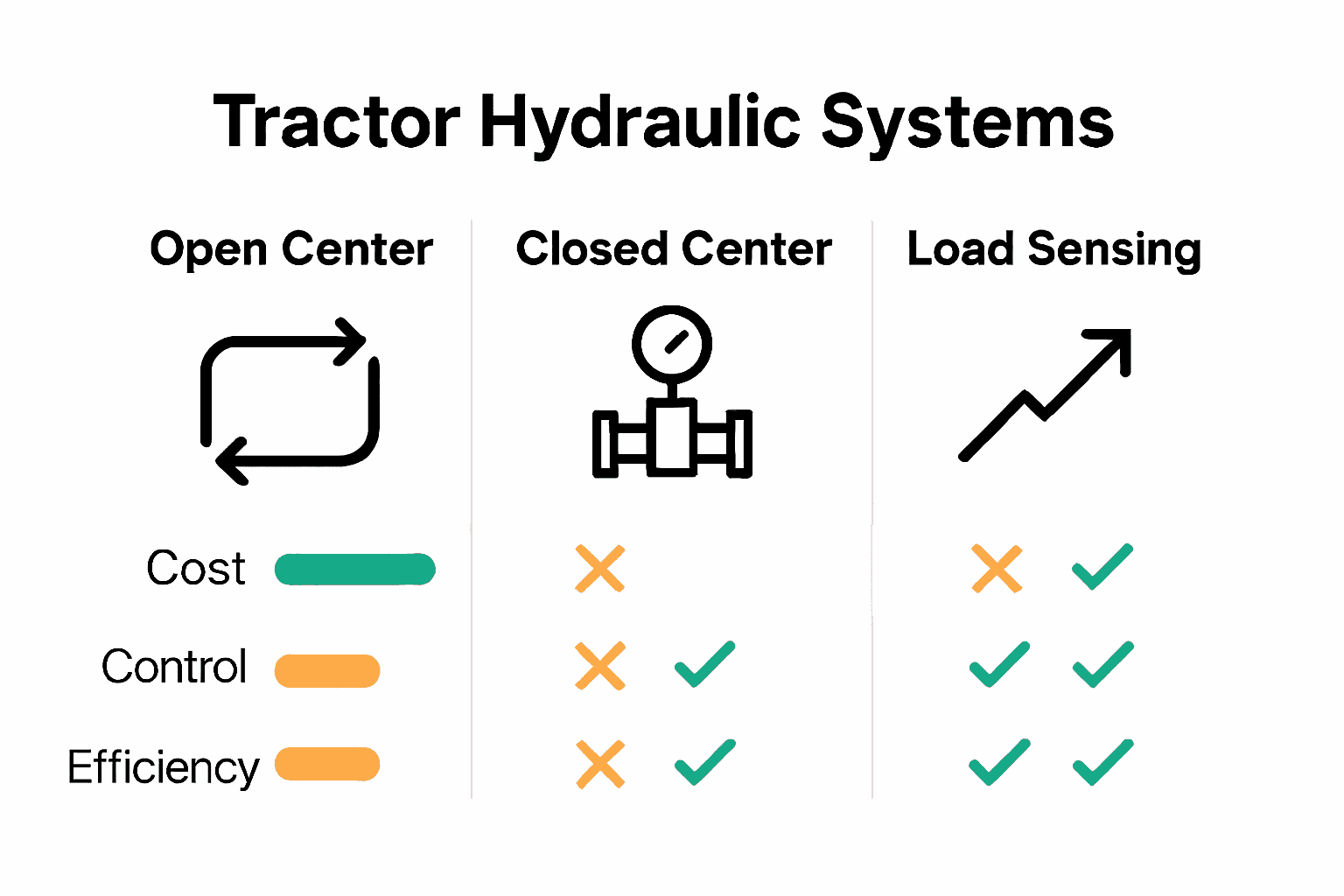
Hydraulic systems in modern agricultural tractors are not one-size-fits-all technologies, but rather sophisticated configurations designed to meet specific operational demands. These systems can be broadly categorized into three primary types, each offering unique advantages for different agricultural applications and machinery requirements.
Open Center Hydraulic Systems
Open center hydraulic systems represent the most traditional configuration in tractor design. In these systems, hydraulic fluid continuously circulates through the system when the tractor is not performing active work. Key characteristics include:
- Simpler mechanical design
- Lower initial manufacturing costs
- Consistent fluid flow when pump is operational
- Suitable for basic agricultural implements
Closed Center Hydraulic Systems
Closed center systems provide more advanced performance and precision compared to open center configurations. These systems feature a sophisticated pressure-sensing mechanism that allows for more nuanced control and efficiency:
- Higher pressure capabilities
- More precise implement control
- Reduced energy consumption
- Better heat management
- Enhanced overall system responsiveness
Load Sensing Hydraulic Systems
Load sensing hydraulic systems represent the most advanced technology in modern tractors. These intelligent systems dynamically adjust fluid flow and pressure based on real-time implement requirements, delivering unprecedented efficiency and performance. By constantly monitoring system load, these hydraulics optimize power transmission, reducing unnecessary energy expenditure and maximizing operational capabilities.
Understanding the differences between these hydraulic system types empowers farmers and agricultural professionals to select machinery that matches their specific operational needs. Each system offers distinct advantages, and the right choice depends on factors like crop type, terrain, implement complexity, and budget constraints.
As agricultural technology continues to evolve, hydraulic systems will undoubtedly become even more sophisticated, further enhancing the precision and efficiency of modern farming equipment.
Key Components and How They Function
Hydraulic systems in tractors are intricate networks of precision-engineered components working together to transform mechanical energy into powerful, controlled motion. According to Bosch Rexroth, understanding these key components is crucial for maintaining and optimizing tractor performance.
Hydraulic Pump
The hydraulic pump serves as the system’s heart, converting mechanical energy from the tractor’s engine into fluid pressure. These pumps come in several types, each with unique characteristics:
- Gear Pumps: Simple design, lower cost, suitable for basic applications
- Vane Pumps: Moderate pressure, smoother operation
- Piston Pumps: High-pressure capability, precision performance
Control Valves
Control valves are the system’s brain, directing hydraulic fluid with exceptional precision. They determine fluid flow, pressure, and direction for various tractor implements. Key functions include:
- Regulating fluid movement
- Controlling implement speed and force
- Enabling simultaneous multiple hydraulic actions
- Protecting the system from over-pressurization
Hydraulic Cylinders
Hydraulic cylinders transform fluid pressure into linear mechanical movement, essentially acting as the system’s muscles. These components generate the tremendous force required for lifting, pushing, and positioning agricultural implements. Cylinders convert hydraulic pressure into precise, powerful mechanical motion, allowing tractors to perform complex tasks with minimal operator effort.
The relationship between these components is remarkably sophisticated. Pumps generate pressure, valves direct fluid flow, and cylinders convert that pressure into mechanical work. This intricate dance of engineering allows modern tractors to accomplish tasks that would have been impossible just decades ago. By understanding how these components interact, farmers and equipment operators can better maintain their machinery, diagnose potential issues, and maximize agricultural productivity.
Practical Applications in Agricultural Operations
Hydraulic systems have revolutionized agricultural operations, transforming how farmers interact with complex machinery and manage diverse farming tasks. According to IJEAST Research, hydraulics have become an indispensable technology that dramatically enhances agricultural efficiency and precision across multiple operational domains.
Implement Lifting and Positioning
One of the most critical applications of hydraulic systems is the ability to lift, lower, and precisely position agricultural implements. As noted by Solis Yanmar, hydraulic mechanisms enable farmers to:
- Adjust implement depth with millimeter-level precision
- Raise and lower heavy attachments effortlessly
- Maintain consistent ground contact for implements
- Quickly change implement positions without manual intervention
Tillage and Field Preparation
Hydraulic systems play a crucial role in preparing agricultural fields, providing unprecedented control during critical farming operations. These systems allow farmers to:
- Dynamically adjust plowing depth
- Maintain consistent pressure across uneven terrain
- Control lateral and vertical movement of implements
- Minimize soil compaction through precise implement management
Complex Attachment Operations
Modern agricultural hydraulics support an extensive range of specialized attachments, transforming tractors into multifunctional machines. From seed drills to complex harvesting equipment, hydraulic systems enable seamless power transmission and nuanced implement control. This versatility allows farmers to adapt quickly to changing field conditions and crop requirements.
The true power of hydraulic systems lies in their ability to transform raw mechanical energy into precise, controllable motion. By converting engine power into sophisticated implement movements, these systems have fundamentally changed agricultural productivity. Farmers now can perform complex tasks with minimal physical effort, reducing fatigue and increasing operational efficiency across diverse agricultural landscapes.
Maintenance Requirements and Common Issues
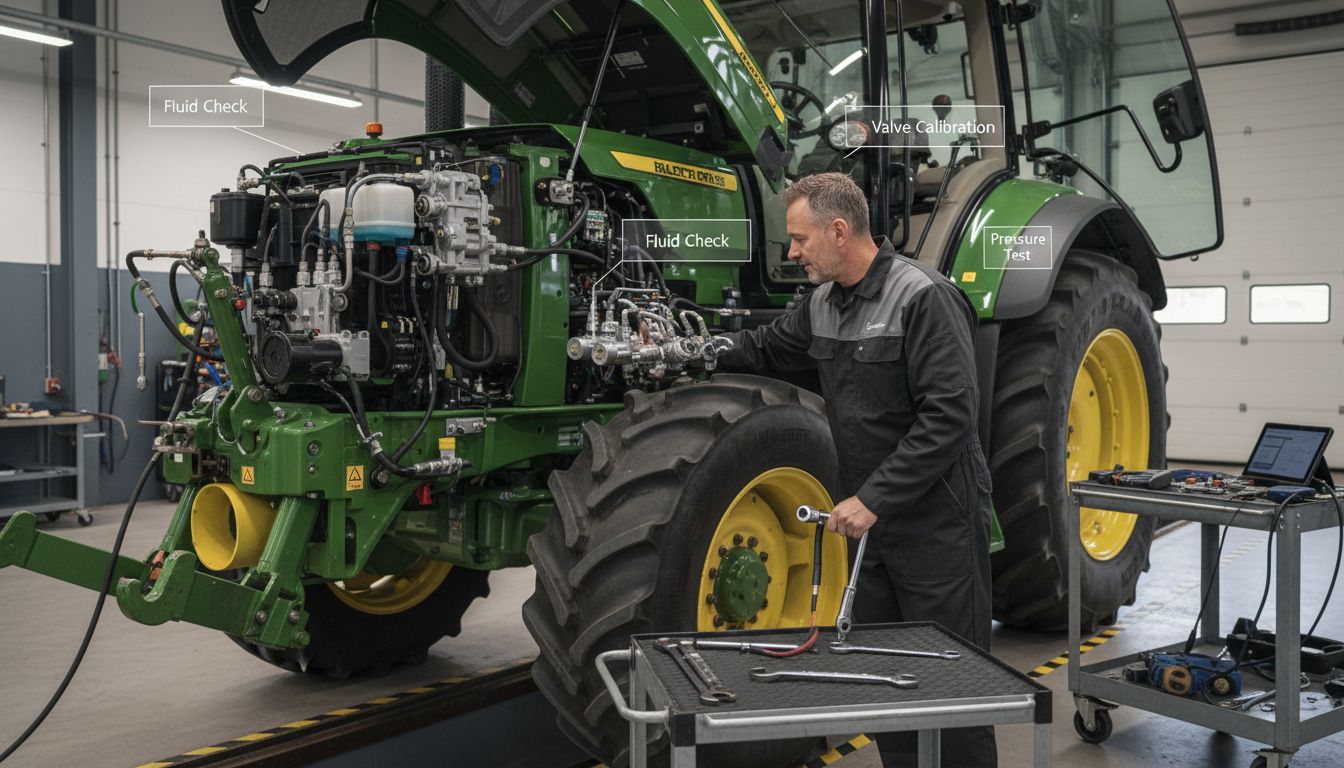
Hydraulic systems are precision engineering marvels that demand consistent, meticulous maintenance to ensure optimal performance. According to Bosch Rexroth, understanding and addressing potential issues is crucial for maintaining the longevity and efficiency of tractor hydraulic systems.
Fluid Quality and Contamination Control
Hydraulic fluid serves as the lifeblood of the system, and its quality directly impacts overall system performance. Key maintenance considerations include:
- Regular fluid analysis and replacement
- Monitoring fluid color and consistency
- Using high-quality filtration systems
- Preventing moisture and particle contamination
- Maintaining proper fluid viscosity
Common Hydraulic System Issues
Tractor operators frequently encounter several recurring hydraulic system challenges:
- Fluid Leaks: Typically caused by worn seals or damaged hoses
- Pressure Fluctuations: Often result from pump wear or valve malfunctions
- System Overheating: Indicates potential fluid contamination or insufficient cooling
- Reduced Implement Performance: Suggests internal component degradation
Preventative Maintenance Strategies
Effective hydraulic system maintenance requires a proactive approach. Farmers and equipment operators should:
- Conduct regular visual inspections
- Check fluid levels and quality before each major operation
- Replace filters at manufacturer-recommended intervals
- Monitor system performance for subtle changes
- Keep hydraulic components clean and protected from environmental contaminants
The complexity of modern hydraulic systems demands a comprehensive maintenance strategy. While these systems are incredibly robust, they are not immune to wear and degradation. By implementing a disciplined maintenance routine, farmers can significantly extend the life of their hydraulic systems, prevent costly breakdowns, and maintain peak tractor performance across diverse agricultural operations.
Enhance Your Tractor’s Performance with Reliable Hydraulic Parts
Hydraulic systems power some of the most critical functions in your tractor from lifting heavy implements to precision fieldwork. If you are facing challenges like fluid leaks, pressure fluctuations, or reduced implement performance the key is obtaining quality hydraulic components that match your tractor’s specific needs. Understanding pumps, control valves, and cylinders is essential for maintaining efficient operation and preventing costly breakdowns.
At Pexlivanidis you can explore a vast inventory of over 20,000 agricultural machinery parts including essential hydraulic accessories designed to keep your tractor running smoothly. Whether you need seals, hoses, or complete pump assemblies our selection supports both retail and wholesale clients across Thessaloniki, Kavala, and nearby regions. Don’t let hydraulic issues slow down your farming tasks. Visit Pexlivanidis today to find the right parts for your tractor and enjoy free shipping on orders over 100€.
Are you ready to boost your tractor’s hydraulic efficiency and reduce downtime? Check out our hydraulic-related tractor accessories now and take action to secure reliable, long-lasting solutions. Your equipment deserves expert care and prompt support that only Pexlivanidis can provide.
Frequently Asked Questions
What are the main components of hydraulic systems in tractors?
Hydraulic systems in tractors typically include four main components: hydraulic pump, valves, cylinders, and reservoir. The hydraulic pump converts mechanical energy into fluid pressure, valves regulate fluid direction and flow, cylinders transform fluid pressure into linear movement, and the reservoir stores hydraulic fluid.
How do open center hydraulic systems differ from closed center systems?
Open center hydraulic systems continuously circulate fluid when not in use and provide a simpler design with lower costs, suitable for basic implements. In contrast, closed center systems offer higher pressure capabilities, more precise control, and improved efficiency, making them better for advanced applications.
What maintenance practices are essential for tractor hydraulic systems?
Essential maintenance practices for hydraulic systems include regular fluid analysis and replacement, monitoring fluid quality, changing filters at recommended intervals, and conducting visual inspections for leaks or other signs of wear to ensure optimal performance.
How do load sensing hydraulic systems enhance tractor performance?
Load sensing hydraulic systems dynamically adjust fluid flow and pressure based on implement requirements, leading to increased efficiency and reduced energy consumption. This allows for better performance and responsiveness in various agricultural tasks.