

Did you know that improper installation of tractor parts is a leading cause of unexpected equipment breakdowns on farms worldwide? A single overlooked detail in the setup process can slow your entire operation and result in costly repairs. By following a smart, step-by-step approach to preparing your workspace and handling parts, you set the stage for smoother tractor performance and fewer interruptions during busy seasons.
Table of Contents
- Step 1: Prepare Tools And Work Area
- Step 2: Inspect And Identify Replacement Parts
- Step 3: Remove Worn Or Damaged Components
- Step 4: Install New Tractor Spare Parts
- Step 5: Test Assembly And Check Operation
Quick Summary
| Key Point | Explanation |
|---|---|
| 1. Prepare your workspace carefully | Set up a clean, stable area with proper lighting to facilitate easy installation and prevent damage to parts. |
| 2. Inspect parts before installation | Examine both old and new components for wear and damage, ensuring compatibility before proceeding. |
| 3. Use the right tools for removal | Employ appropriate tools for removing damaged components and keep track of small parts to avoid loss. |
| 4. Install new parts methodically | Align new components accurately, lubricate moving parts, and use new mounting hardware to ensure a secure fit. |
| 5. Conduct thorough testing after installation | Test the tractor’s performance post-installation, noting any unusual sounds or issues for future reference. |
Step 1: Prepare Tools and Work Area
Getting ready to install tractor spare parts starts with setting up a professional workspace and gathering the right tools. Your success depends on careful preparation and an organized approach.
First, scout out a clean flat surface that provides enough room to spread out your parts and tools. According to professional equipment manuals, a stable workspace prevents accidental damage and makes the entire installation process smoother. Choose a surface like a sturdy workbench or a clean concrete floor with enough space to move around comfortably.
Collect all the necessary tools before starting. You will want an assortment of wrenches in different sizes, screwdrivers both flathead and Phillips head, adjustable pliers, and sturdy clamps. A clean rag or towel nearby helps wipe down parts and manage any grease or dirt. Having everything within arm’s reach will save you time and frustration during the installation.
Here’s a comparison of essential tools and workspace preparation tips:
| Item | Purpose | Recommended Practice |
|---|---|---|
| Wrenches (various sizes) | Remove/install nuts and bolts | Have within arm’s reach |
| Screwdrivers (flat & Phillips) | Fasten/unfasten screws | Both types ready for use |
| Adjustable pliers | Grip and turn components | Choose sturdy, reliable tools |
| Clamps | Secure parts during work | Use as needed for stability |
| Rag or towel | Clean parts and handle grime | Keep a clean rag nearby |
| Workbench or flat floor | Dedicated workspace | Spacious, clean, and stable surface |
| Good lighting | Clear visibility for safety | Ensure bright, even illumination |
| Tool tray/magnetic holder | Organize small tools and hardware | Prevent loss of pieces |
| Protective gloves | Hand safety and cleanliness | Wear before handling sharp parts |
Pro Tip: Always keep your tools organized in a tool tray or magnetic holder to prevent losing small pieces and maintain an efficient workspace.
Before unpacking any spare parts, clear your work area of unnecessary items. Ensure good lighting so you can see details clearly and work safely. Wear protective gloves to keep your hands clean and protect yourself from sharp edges on mechanical components.
With your workspace prepared and tools assembled, you are now ready to move forward with the tractor spare parts installation process. The groundwork you have just completed will make the next steps much easier and more precise.
Step 2: Inspect and Identify Replacement Parts
Before diving into the installation, you need to carefully examine both the old and new tractor spare parts. This critical step ensures you have the right components and prevents potential mechanical failures down the line.
Start by thoroughly inspecting the old parts you are replacing. Look for signs of wear such as rust, cracks, excessive grinding marks, or unusual deformations. According to maintenance experts at HARS, you should clean the old parts and determine whether they require complete replacement or can be reused.
Next, unpack your new spare parts with extreme care. Spread them out on your clean workspace and perform a detailed visual inspection. Check for any shipping damage like dents, scratches, or misalignments. If you detect any imperfections, immediately contact your parts supplier for a replacement.
Pro Tip: When comparing old and new parts, take photos for reference and ensure exact match in dimensions and specifications before proceeding with installation.
Focus on critical system components like oil filters, air filters, fuel filters, water pumps, and hydraulic system parts. As recommended by HARS maintenance guidelines, regular inspections of these parts can help you catch potential issues early and prevent more extensive damage.
Once you have confirmed the quality and compatibility of your replacement parts, you are ready to move forward with the installation process.
Your careful inspection will help ensure a smooth and successful tractor repair.
Step 3: Remove Worn or Damaged Components
Removing worn or damaged tractor components requires patience and precision. This step is crucial for ensuring your tractor performs at its best and prevents potential mechanical failures during future operations.
Begin by disconnecting the battery to prevent any electrical shorts or accidental starts. According to HARS maintenance guidelines, carefully checking and cleaning components before removal is essential for maintaining optimal tractor functionality.
Carefully examine each component you plan to replace. Look for telltale signs of wear like cracking, excessive rust, unusual deformation, or visible damage. Pay special attention to critical system components such as belts, which can deteriorate over time. As recommended by maintenance experts, replace belts showing signs of cracking or significant wear to prevent unexpected breakdowns.
Pro Tip: Always take photos or make detailed notes about the current configuration before removing parts. This helps ensure correct reassembly and prevents confusion during reinstallation.
Use appropriate tools for each component removal. Depending on the specific part, you might need wrenches, socket sets, or specialized extraction tools. Work methodically and keep track of each bolt and connector you remove. Store small parts in clearly labeled containers to prevent loss and maintain organization.
With the worn components carefully removed, you are now prepared for the next critical step of installing your new tractor spare parts. Your meticulous approach will help ensure a smooth and successful repair process.
Step 4: Install New Tractor Spare Parts
Installing new tractor spare parts is a precision task that requires careful attention and methodical approach. Your goal is to ensure each component fits perfectly and functions smoothly within the larger mechanical system.
Begin by comparing the new parts with your previous measurements and notes. As experts at HARS emphasize, using high-quality spare parts during assembly ensures better compatibility and smoother long term tractor operation. Align the new components exactly as the old ones were positioned, referencing any photographs or diagrams you created during disassembly.
Approach each installation with patience and precision. Apply a thin layer of appropriate lubricant to moving parts to reduce initial friction. Carefully thread bolts and connectors by hand first to ensure you are not cross threading. Gradually tighten connections using the recommended torque specifications for each specific component.
Pro Tip: Always use new mounting hardware when installing spare parts. Reused bolts or connectors can compromise the integrity of your installation.
Work systematically through each component. Double check that every part is seated correctly and secured tightly. Pay special attention to alignment points and connection interfaces. A millimeter of misalignment can cause significant performance issues down the line.
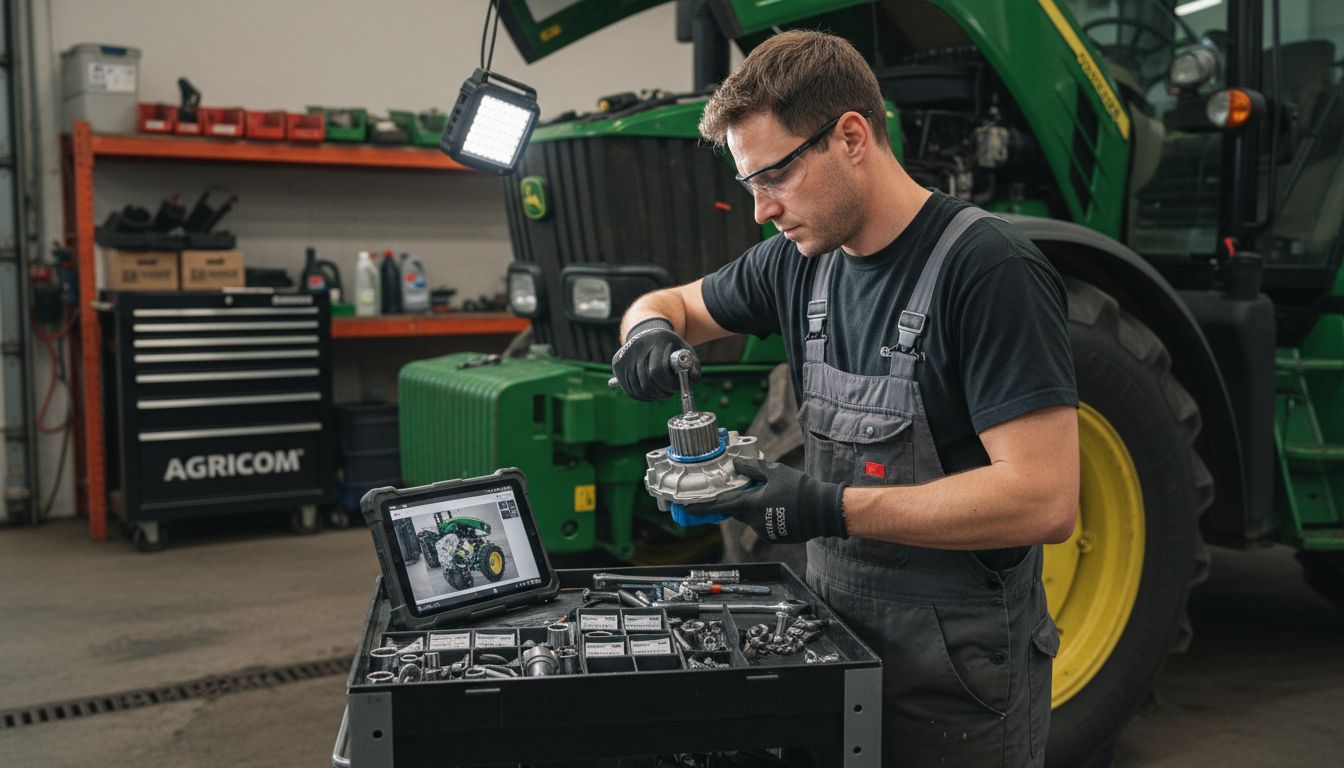
With your new parts carefully installed, you are now ready to test and verify the functionality of your tractor. Your meticulous installation approach will help ensure optimal performance and extended equipment life.
Step 5: Test Assembly and Check Operation
With your new tractor spare parts installed, the final and most critical step is thorough testing and verification. This process ensures your hard work pays off with reliable equipment performance.
According to HARS assembly guidelines, performing a comprehensive test and control check is essential to confirm that the spare parts are functioning correctly. Start by reconnecting the battery and slowly bringing the tractor to life.
Begin with a stationary test. Listen carefully for any unusual sounds such as grinding, knocking, or excessive vibration. Check all fluid levels and look for any unexpected leaks around the newly installed components. Pay close attention to how smoothly systems are operating compared to their previous performance.
Pro Tip: Keep a log of any observations during testing. Small details can help diagnose potential future issues before they become major problems.
Next, conduct a slow test drive in a safe open area. Monitor the tractor’s response during acceleration, turning, and braking. As maintenance experts suggest, regular cleaning helps maintain performance. Wipe down the installed components and surrounding areas to remove any installation residue.
If everything operates smoothly and no warning signs emerge, congratulations on successfully completing your tractor spare parts installation. Your meticulous approach has likely extended your equipment’s operational life and performance.
Get the Right Tractor Spare Parts for a Flawless Installation
Installing tractor spare parts can be challenging when you worry about compatibility, quality, and finding the exact components you need. This guide highlights how crucial it is to prepare your workspace, inspect parts carefully, and install new components with precision. You want to avoid downtime, prevent mechanical failures, and ensure your tractor runs smoothly without surprises.
At pexlivanidis.com, we understand these pain points deeply. With over 20,000 high-quality tractor accessories and spare parts available, plus free shipping on orders over 100€ in Greece, we make sourcing reliable parts easy and convenient. Whether you are a retail customer or a professional in need of wholesale options, our platform supports you every step of the way to match the exact requirements outlined in your installation process.
Don’t risk using the wrong parts or prolong your tractor’s downtime. Explore our selection of tractor spare parts today and get the right components delivered fast. Take the first step to a smooth tractor repair by visiting pexlivanidis.com now and securing your parts with confidence.
Frequently Asked Questions
How do I prepare my workspace for tractor spare parts installation?
To prepare your workspace, clear a clean, flat surface where you can comfortably spread out tools and parts. Ensure good lighting and gather necessary tools like wrenches, screwdrivers, and clamps before starting the installation process.
What should I inspect before installing new tractor spare parts?
Before installation, closely inspect both the old and new parts for signs of wear and damage. Check for issues like rust or misalignments and take photos for reference to guarantee compatibility with your tractor.
What tools do I need for removing worn tractor components?
Essential tools for removing worn components include wrenches, socket sets, and possibly specialized extraction tools, depending on the part. Organize your tools and keep small pieces in labeled containers to avoid losing any during the removal process.
How do I ensure the correct installation of new tractor spare parts?
To ensure proper installation, align the new parts according to your notes and any photos taken during disassembly. Gradually tighten bolts and connectors to the recommended torque specifications, avoiding cross-threading to ensure functionality.
What should I do after installing the new tractor parts?
After installation, conduct a comprehensive test by reconnecting the battery and performing a stationary check for any unusual sounds or leaks. Follow this with a slow test drive in an open area to monitor the tractor’s response and ensure everything operates smoothly.
How can I identify if my tractor spare parts are functioning properly?
To identify proper functionality of installed spare parts, listen for unusual sounds and check fluid levels during a test run. Keep a log of any observations to diagnose potential issues early, ensuring your tractor remains in good working order.