
Did you know that OEM tractor parts can last up to 50 percent longer than most aftermarket alternatives? For farmers and equipment owners, every day of lost productivity means real money lost. Making the right choice in tractor parts not only affects your bottom line, but also impacts your machinery’s reliability and safety. Understanding the truth behind common myths can help you protect your investment and keep your equipment running at its best.
Key Takeaways
| Point | Details |
|---|---|
| OEM parts ensure quality and compatibility | Original Equipment Manufacturer parts are specifically designed for each tractor model, offering guaranteed fit and performance. |
| Cost savings may lead to higher long-term expenses | While aftermarket parts seem cheaper upfront, they often result in increased replacement costs and equipment downtime. |
| Avoid warranty risks with aftermarket options | Using non-OEM parts on equipment under warranty can void coverage, leading to significant future costs. |
| Professional assessment is essential for used parts | Well-inspected used OEM parts can provide reliable performance if sourced from reputable suppliers. |
Table of Contents
- Defining Oem Tractor Parts And Common Myths
- Oem Vs Aftermarket Tractor Parts Explained
- Key Benefits Of Choosing Oem Tractor Parts
- Cost, Longevity, And Safety Implications
- Common Mistakes When Selecting Tractor Parts
Defining OEM Tractor Parts and Common Myths
When it comes to keeping your tractor running smoothly, understanding Original Equipment Manufacturer (OEM) parts is crucial. These are the exact same components used during the initial tractor construction, ensuring precise compatibility and performance. According to research from Tractor Spare Parts, OEM parts represent the gold standard in equipment maintenance.
Contrary to popular belief, not all replacement parts are created equal. Many farmers mistakenly assume aftermarket parts offer comparable quality. However, the reality is far more nuanced. As research indicates, while some high-end aftermarket brands approach OEM standards, most lack the exact specifications and durability of original manufacturer components. Key differences include:
- Precise engineering tolerances
- Material quality and consistency
- Guaranteed compatibility with specific tractor models
- Manufacturer-backed performance warranties
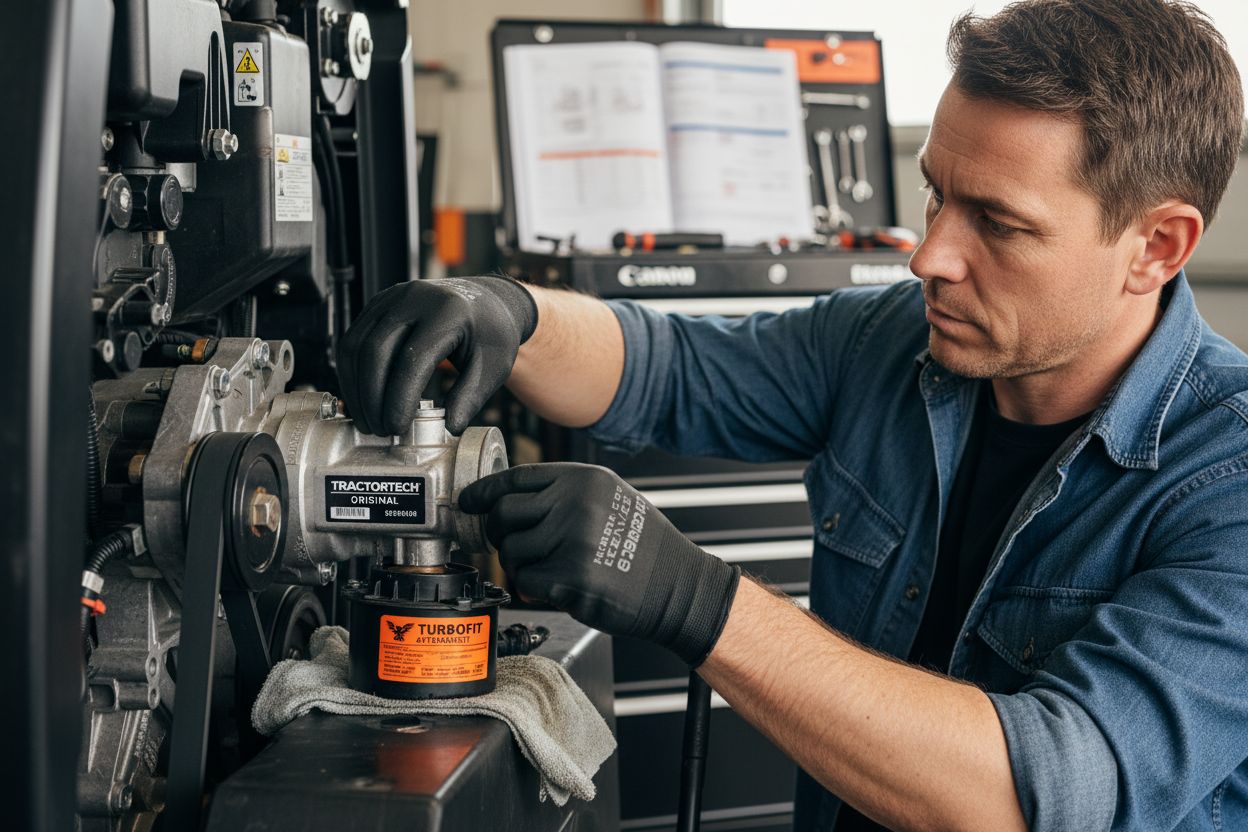
Another persistent myth is that used OEM parts are unreliable or subpar. In truth, well-inspected used OEM parts can provide excellent value and performance. The key is thorough professional assessment and sourcing from reputable suppliers. Farmers should look for parts that have been carefully evaluated, cleaned, and tested to ensure they meet the original manufacturer’s rigorous standards.
OEM vs Aftermarket Tractor Parts Explained
Navigating the world of tractor parts can feel like walking through a technical minefield. At the core of this complexity is the fundamental choice between Original Equipment Manufacturer (OEM) and aftermarket parts. According to research from Prime Line Supply Co, these two options present distinctly different value propositions for farmers and equipment managers.
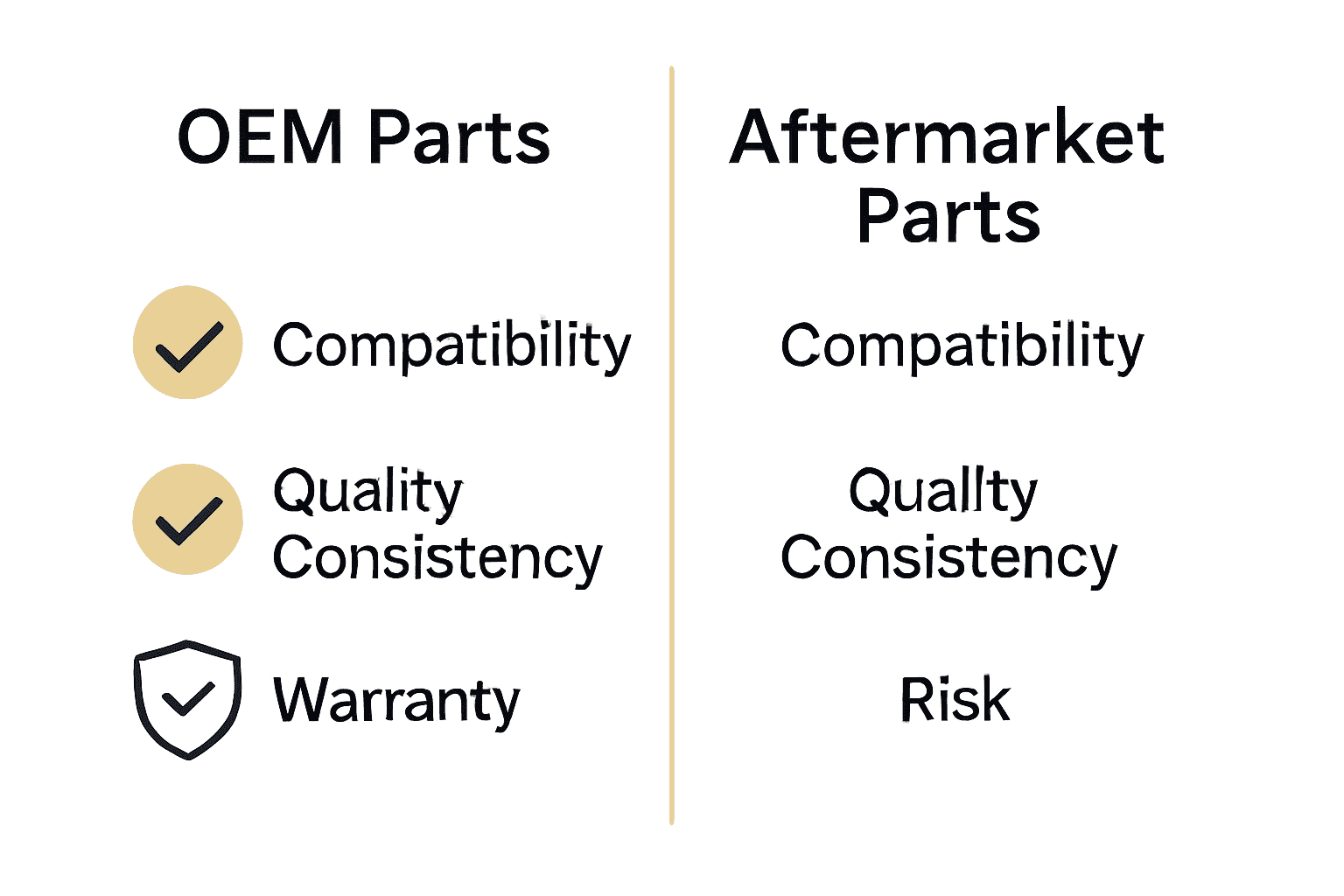
Here’s a comparison of OEM and Aftermarket tractor parts:
| Feature | OEM Parts | Aftermarket Parts |
|---|---|---|
| Compatibility | Precise fit for model | Varies by brand and supplier |
| Quality Consistency | Guaranteed by manufacturer | Can vary significantly |
| Warranty Impact | Maintains original warranty | May void equipment warranty |
| Price | Higher upfront cost | 30-50% lower on average |
| Reliability | Proven, tested performance | Depends on supplier and brand |
| Longevity | Engineered for long life | May require more frequent replacement |
| Replacement Risk | Minimal risk, trusted source | Potential risk to critical systems |
 |
|
OEM parts represent the gold standard of precision and reliability. They guarantee exact fit, consistent quality, and maintain the manufacturer’s original specifications. Dealerships and professional maintenance teams consistently prefer OEM parts because they ensure seamless integration and performance. As research indicates, these parts come with critical advantages:
- Perfect component compatibility
- Direct manufacturer warranty protection
- Consistent engineering standards
- Guaranteed performance metrics
Aftermarket parts, by contrast, offer a more budget-friendly alternative. Typically priced 30-50% lower than OEM components, they provide faster fulfillment and a broader range of options. However, quality can vary significantly. According to Southeastern Equipment, farmers should carefully vet aftermarket suppliers.
Not all alternatives are created equal—some high-quality aftermarket parts can match OEM performance, while others might compromise your equipment’s reliability and potentially void existing warranties.
Key Benefits of Choosing OEM Tractor Parts
Making the right parts selection can be the difference between smooth farming operations and costly equipment failures. Original Equipment Manufacturer (OEM) parts stand out as the most reliable solution for serious agricultural professionals who prioritize equipment performance and longevity.
According to Southeastern Equipment, OEM parts deliver exceptional advantages across multiple critical dimensions. These precision-engineered components provide predictable reliability under stress, ensuring your tractor performs exactly as the manufacturer intended. The benefits extend far beyond simple compatibility:
- Perfect dimensional fit and form
- Guaranteed performance under extreme working conditions
- Preservation of original equipment warranties
- Maximum longevity for critical components
Especially for complex systems like hydraulics, electronics, and engines, OEM parts represent an investment in your equipment’s long-term reliability. By choosing original manufacturer components, you’re essentially speaking the same technical language as your tractor’s design engineers. This means reduced wear, consistent performance, and minimized risk of unexpected breakdowns that could interrupt critical farming operations. Professional farmers understand that saving a few dollars on cheaper alternatives can cost significantly more in potential equipment damage and downtime.
Cost, Longevity, and Safety Implications
When it comes to tractor maintenance, the age-old debate of cost versus value takes center stage. Many farmers initially balk at the higher price tag of OEM parts, but the long-term financial implications tell a different story. According to research from Viking Financial, aftermarket parts might seem budget-friendly upfront but often lead to higher expenses through frequent replacements and unexpected downtime.
The true cost of parts extends far beyond the initial purchase price. As Southeastern Equipment highlights, OEM parts provide critical advantages in longevity and safety. These precision components minimize risk, especially in critical systems where equipment failure could mean significant financial losses or even personal danger. Key economic considerations include:
- Reduced frequency of replacements
- Minimized equipment downtime
- Lower long-term maintenance costs
- Preserved equipment performance
Safety cannot be an afterthought in agricultural operations. Cheaper aftermarket parts might save money momentarily, but they can compromise your equipment’s reliability and, more importantly, your personal safety. Professional farmers understand that investing in high-quality OEM parts is not an expense—it’s a strategic decision that protects both their machinery and their livelihood.
Common Mistakes When Selecting Tractor Parts
Choosing the right tractor parts isn’t as straightforward as most farmers assume. Part selection is a nuanced process that requires careful consideration beyond simply picking the cheapest or most convenient option. According to research from Prime Line Supply Co, making blanket assumptions about part quality can lead to costly mistakes.
One of the most critical errors farmers make involves warranty considerations. As Southeastern Equipment warns, using aftermarket parts on equipment still under warranty can potentially void your entire coverage. This means a small short-term saving could result in massive long-term expenses. Key mistakes to avoid include:
- Assuming all aftermarket parts are low quality
- Replacing warranty-protected components with non-OEM alternatives
- Choosing parts based solely on price
- Neglecting to assess the criticality of specific components
Professional equipment managers understand that part selection isn’t a one-size-fits-all decision. Some aftermarket options can be reliable, while others might compromise your equipment’s performance. The smart approach involves evaluating each part’s importance, understanding your specific machinery requirements, and balancing budget constraints with long-term reliability and safety considerations.
Protect Your Tractor—Choose Genuine OEM Parts with Confidence
Tractor downtime and costly repairs can hit your bottom line hard, especially if you trust the wrong replacement parts. The article highlighted how using original equipment manufacturer (OEM) parts is key to safeguarding your farming operations. Many farmers risk their machinery and even their warranty coverage by trying cheaper or ill-fitting alternatives. You deserve the peace of mind that comes from knowing your tractor is running on components built to last and tested for precise compatibility.
With over 20,000 authentic spare parts available, pexlivanidis.com is your trusted source for genuine tractor accessories and OEM parts. Stop worrying about hidden risks and start maximizing uptime. Enjoy local expertise, easy product search, and free shipping within Greece on qualifying orders. Ready to upgrade your tractor’s reliability? Browse our parts store, register for exclusive offers, or contact our specialist team for tailored support today.
Frequently Asked Questions
What are OEM tractor parts?
OEM tractor parts are Original Equipment Manufacturer components that are identical to the parts used in the original construction of your tractor, ensuring exact compatibility and performance.
How do OEM parts compare to aftermarket parts?
OEM parts guarantee precise fit and consistency in quality, backed by the manufacturer. In contrast, aftermarket parts may vary in quality and compatibility, potentially risking equipment reliability.
Are used OEM parts a good option for farmers?
Yes, well-inspected used OEM parts can provide excellent value and performance, provided they are sourced from reputable suppliers and have undergone thorough assessment.
What are the long-term financial benefits of using OEM parts?
Although OEM parts typically have a higher upfront cost, they offer benefits such as reduced frequency of replacements, minimized equipment downtime, and lower long-term maintenance costs, making them a more economical choice overall.