

Selecting effective farming equipment upgrades in Thessaloniki and Kavala often feels overwhelming. You face choices between mechanical improvements, precision technology, and tire systems, all while managing budgets and ensuring compatibility with existing machinery. This checklist provides a structured approach to prioritize upgrades that reduce downtime, improve efficiency, and comply with Greek and EU regulations, helping you make confident decisions that enhance your farm’s productivity in 2026.
Table of Contents
- Understanding Key Selection Criteria For Equipment Upgrades
- Mechanical And Engine Upgrades
- Precision Technology And Electronics Upgrades
- Tire And Traction Upgrades
- Local Parts Sourcing And Regulatory Compliance
- Summary Comparison Of Upgrade Options
- Situational Recommendations For Farmers In Thessaloniki And Kavala
- Explore Expert Agricultural Machinery Parts And Support
- Frequently Asked Questions About Farming Equipment Upgrades
Key takeaways
| Point | Details |
|---|---|
| Selection criteria | Evaluate compatibility, cost efficiency, parts availability, compliance, and regional suitability before any upgrade. |
| Mechanical upgrades | Hydraulic systems and engine improvements deliver measurable productivity gains and fuel savings. |
| Technology integration | GPS guidance and LED lighting extend working hours and reduce input costs through precision. |
| Local sourcing benefits | Greek suppliers reduce downtime by 25% and ensure regulatory compliance with certified parts. |
| Regional customization | Thessaloniki and Kavala soil conditions require specific tire and traction solutions for optimal yields. |
Understanding key selection criteria for equipment upgrades
Before investing in any upgrade, you need to assess several critical factors that determine success or failure. Compatibility with existing machinery systems is the most important selection criterion to prevent costly retrofit errors. Mismatched components waste money and create operational headaches.
Operational efficiency gains must justify upgrade costs through measurable return on investment. Calculate fuel savings, labor reduction, or yield improvements to validate spending. Without clear ROI expectations, you risk purchasing features you never use.
Local parts and service availability dramatically affect downtime when repairs become necessary. Equipment that requires imported components can leave you waiting weeks during critical planting or harvest windows. Prioritize upgrades with strong local support networks in Thessaloniki and Kavala.
Compliance with Greek and EU agricultural machinery regulations protects you from penalties and maintains equipment warranties. Only certified parts meeting Type approval standards reduce legal and operational risks. Suitability for your specific crop types and regional soil conditions ensures upgrades deliver promised benefits rather than disappointing performance.
Pro Tip: Always cross check planned upgrades against current seasonal workload and budget to optimize timing and avoid cash flow problems during peak expenses.
Mechanical and engine upgrades
Engine and hydraulic system improvements form the foundation of most successful equipment upgrade strategies. Modern fuel injection systems outperform older carburetors through better fuel atomization, delivering 10 to 15 percent efficiency gains while reducing maintenance needs. You get cleaner combustion and easier cold starts in Greek winter conditions.
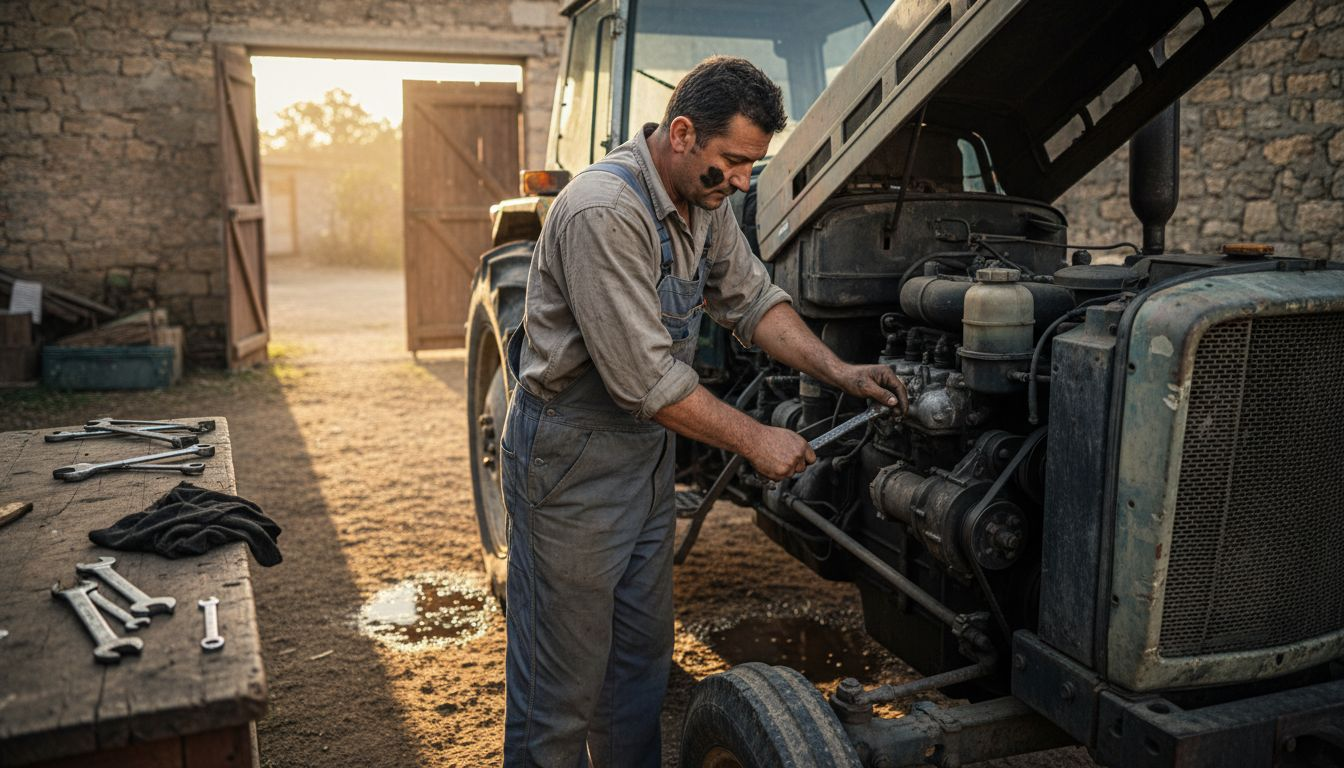
Hydraulic front loader upgrades can increase productivity by 20% while reducing operator fatigue at moderate costs. Enhanced lift capacity allows you to handle heavier materials in fewer cycles, saving time and diesel. Improved control valves provide smoother operation and reduce spillage during delicate tasks.
Costs for these upgrades vary widely based on tractor age and brand. Budget 1,500 to 4,000 euros for quality hydraulic system improvements and 2,000 to 6,000 euros for engine upgrades. These investments typically pay back within two to three seasons through fuel savings and reduced downtime.
Maintenance requirements may increase slightly with advanced systems, potentially requiring specialized service. However, modern components often feature longer service intervals than older equivalents. Check seasonal tractor care in Greece practices to maintain upgrade benefits year round.
Pro Tip: Consider upgrades that align with existing equipment brands to ease parts compatibility and simplify local service relationships in Thessaloniki and Kavala.
Precision technology and electronics upgrades
Technology driven upgrades transform how you plant, fertilize, and manage field operations. GPS precision guidance systems offer up to 15% fuel savings and improve planting accuracy in Greek agriculture. Automated steering eliminates overlapping passes that waste seed, fertilizer, and diesel while reducing soil compaction from unnecessary traffic.
LED work lights enable longer operational hours during short daylight seasons common in Greek winters. You gain flexibility to complete time sensitive tasks like spraying or harvesting regardless of natural light limitations. Modern LED systems draw minimal power compared to halogen alternatives, protecting battery life and electrical systems.
Combining technology with mechanical upgrades multiplies productivity gains beyond what either achieves alone. GPS guided planting paired with hydraulic improvements creates seamless workflows that maximize field efficiency. Variable rate application systems optimize input costs by matching fertilizer and chemical use to actual field needs.
Investment costs for technology upgrades run higher than mechanical options, typically 3,000 to 8,000 euros for GPS systems and 500 to 1,500 euros for complete LED lighting packages. These expenses prove worthwhile through efficiency improvements and yield increases that compound over multiple seasons. Start with guidance systems if precision is your priority, or lighting if extending work hours solves your biggest bottleneck.
Tire and traction upgrades
Tire selection directly impacts soil health, fuel consumption, and overall traction performance in Thessaloniki and Kavala conditions. Wider agricultural tires reduce soil compaction by up to 30 percent, improving yields especially in clay rich soils common throughout northern Greece. Lower ground pressure protects soil structure and root development.
Costs for advanced tire systems run 20 to 30 percent higher than standard options but enhance traction and reduce crop damage from wheel slip. Radial designs provide better flex and longer tread life compared to bias ply alternatives. You recover the premium through extended service intervals and improved fuel economy.
Consider soil type and crop requirements when selecting tire upgrades to avoid common failures. Heavy clay soils benefit most from wider flotation tires, while lighter sandy soils may perform adequately with standard widths. Row crop configurations require careful spacing considerations to prevent plant damage.
| Tire Type | Cost Premium | Compaction Reduction | Best Soil Type | Lifespan |
|---|---|---|---|---|
| Standard radial | Baseline | 0% | Universal | 4-6 years |
| Wide flotation | +25% | 30% | Clay, wet | 5-7 years |
| Low pressure | +30% | 35% | Sandy, fragile | 4-6 years |
| Dual configuration | +40% | 25% | Heavy loads | 5-8 years |
Pro Tip: Regularly inspect tires for wear patterns and maintain proper inflation to preserve compaction benefits and maximize traction performance across seasons.
Local parts sourcing and regulatory compliance
Sourcing parts locally in Greece accelerates repair times and protects your operational schedule. Local parts sourcing reduces machinery downtime by 25% compared to imported parts that face customs delays and shipping uncertainties. You maintain productivity during critical windows when every day counts.
Using non certified aftermarket parts risks voiding manufacturer warranties and creates legal exposure. Greek agricultural inspectors increasingly verify compliance with EU Type approval certification during routine checks. Penalties for non compliant equipment can reach thousands of euros plus forced equipment removal from service.
Only certified parts meeting EU Type approval maintain warranty coverage and reduce failure risk in Greece. Certified components undergo rigorous testing for safety, durability, and environmental standards. You gain peace of mind knowing upgrades meet all legal requirements.
Plan your sourcing strategy around reputable local suppliers with proven track records in Thessaloniki and Kavala. Verify they stock certified parts for your specific equipment brands and models. Establish relationships before you need emergency repairs to ensure priority service and technical support when problems arise.
Building a maintenance partnership with local suppliers provides access to expert advice on upgrade timing and compatibility. They understand regional conditions and can recommend solutions proven effective in similar operations. This knowledge prevents expensive mistakes and accelerates your upgrade success.
Summary comparison of upgrade options
Comparing major upgrade categories helps you prioritize investments based on your specific needs and constraints. Each option delivers distinct benefits suited to different operational challenges and farm conditions.
| Upgrade Type | Initial Cost | ROI Timeline | Efficiency Gain | Local Availability | Warranty Impact |
|---|---|---|---|---|---|
| Hydraulic front loader | €1,500-4,000 | 2-3 seasons | 20% productivity | Excellent | Maintained |
| GPS guidance system | €3,000-8,000 | 3-4 seasons | 15% fuel savings | Good | Maintained |
| Engine fuel injection | €2,000-6,000 | 2-3 seasons | 12% fuel savings | Excellent | Maintained |
| Wide flotation tires | €800-2,500 | 3-5 seasons | 30% less compaction | Good | Maintained |
| LED work lighting | €500-1,500 | 1-2 seasons | Extended hours | Excellent | Maintained |
Hydraulic upgrades offer the fastest payback for farms focused on material handling and loader work. GPS systems require longer ROI periods but deliver ongoing savings through reduced input waste. Tire improvements provide yield benefits that compound annually through better soil health.
Local availability varies by upgrade type, with mechanical components generally easier to source than specialized electronics. However, growing agricultural technology adoption in Greece improves access to precision farming equipment. Check with Thessaloniki and Kavala suppliers about current inventory before finalizing decisions.
All certified upgrades maintain manufacturer warranties when properly installed by qualified technicians. Document installation details and retain receipts to protect warranty coverage. Review specific terms with your equipment dealer since some modifications may affect certain warranty provisions.
Situational recommendations for farmers in Thessaloniki and Kavala
Tailoring upgrades to your specific situation maximizes return on investment and avoids wasted spending on unnecessary features.
- For fuel savings and planting precision, prioritize GPS guidance systems that eliminate overlap and optimize field coverage patterns across your acreage.
- For heavy material handling operations involving silage, manure, or bulk inputs, upgrade hydraulic front loaders to reduce cycle times and operator fatigue.
- To combat soil compaction in clay heavy soils common around Thessaloniki, select wider agricultural tires that distribute weight and protect soil structure.
- Choose suppliers with established reputations for quality parts and responsive service in Thessaloniki and Kavala to minimize downtime risks.
- Plan upgrades during off seasons when machinery sits idle to avoid disrupting critical field operations and allow proper installation time.
- Map budget constraints to gradual upgrade paths that prioritize highest impact improvements first, then add complementary systems as cash flow allows.
- Consider used certified components from reputable dealers when budget limitations prevent new purchases, ensuring all parts meet regulatory standards.
Your upgrade sequence should reflect your operation’s biggest pain points. Analyze where you lose the most time, fuel, or yield currently, then address those gaps first. Farms struggling with planting accuracy benefit more from GPS than lighting, while operations limited by short days need lighting before guidance.
Regional soil conditions in Kavala’s coastal areas differ from Thessaloniki’s inland clay, requiring adjusted tire strategies. Consult local agronomists familiar with your specific fields to validate upgrade choices against actual soil test data and crop performance history.
Explore expert agricultural machinery parts and support
Implementing the right upgrades requires access to quality parts and expert guidance tailored to Greek farming conditions. Pexlivanidis offers over 20,000 certified agricultural machinery parts suited for operations throughout Thessaloniki and Kavala. You gain reliable solutions from specialists who understand regional challenges and equipment requirements.
Discover detailed information about essential types of agricultural machinery parts to make informed upgrade decisions. Learn how to maintain agricultural machinery for maximum lifespan and performance. Access top agricultural machinery upgrade tips from industry specialists to enhance farm productivity. Partner with local experts who provide responsive service and technical support when you need it most.
Frequently asked questions about farming equipment upgrades
Which farming equipment upgrades offer the best ROI for Thessaloniki farms?
Hydraulic front loader upgrades deliver the fastest ROI, typically paying back within two to three seasons through 20 percent productivity gains. GPS guidance systems provide longer term value through 15 percent fuel savings and reduced input waste. Choose based on whether material handling or field efficiency represents your biggest operational bottleneck.
How to ensure upgraded parts comply with EU regulations?
Verify all parts carry EU Type approval certification before purchase and request documentation from suppliers. Work only with certified installers who understand Greek agricultural machinery standards. Maintain installation records and compliance certificates for inspection purposes.
Where to find reliable local parts suppliers in Kavala?
Established agricultural machinery dealers in Kavala with long operating histories and positive farmer reviews offer the most reliable service. Check for suppliers stocking certified parts for your specific equipment brands. Pexlivanidis maintains extensive inventory serving Kavala and surrounding regions with responsive delivery.
What are signs that my tractor needs a hydraulic system upgrade?
Slow lift speeds, weak three point hitch operation, and frequent fluid leaks indicate hydraulic system weakness. Difficulty controlling implements precisely or unusual noises during operation suggest worn components. If your loader struggles with loads it previously handled easily, upgrade time has arrived.
How do GPS systems specifically improve planting accuracy?
GPS eliminates human steering error and maintains perfectly straight rows with centimeter level precision. Automated section control prevents overlap at field boundaries and previously planted areas, reducing seed waste by 5 to 10 percent. Repeatable guidance lines ensure consistent row spacing for easier cultivation and harvest.
Can I install upgrades myself or do I need professional help?
Simple upgrades like LED lighting often allow DIY installation if you have basic electrical skills. Complex systems including GPS, hydraulic modifications, and engine work require professional installation to maintain warranties and ensure safety. Certified technicians prevent expensive mistakes and verify proper system integration.