

Unexpected tractor breakdowns during peak farming seasons can devastate productivity and inflate repair costs. In Greece, where Mediterranean climate extremes demand tailored equipment care, regional adjustment of maintenance schedules improves machine reliability by up to 20%. This guide delivers actionable, season-specific maintenance steps to reduce downtime by 30% and extend your tractor’s working life across spring planting, summer heat, autumn harvest, and winter storage.
Table of Contents
- How To Choose The Right Maintenance Approach For Your Tractor
- Spring Maintenance: Preparing Your Tractor For The Busy Season
- Summer Maintenance: Protecting Your Tractor From Heat And Wear
- Autumn Maintenance: Preparing For Harvest And Winter Storage
- Winter Protection: Storing Your Tractor Safely And Effectively
- Key Maintenance Components To Monitor Year-Round
- Parts Replacement: When And What To Replace Seasonally
- Summary Comparison: Seasonal Maintenance Tasks And Tools
- Situational Recommendations: Choosing Maintenance Tactics By Farm Needs
- Enhance Your Tractor Care With Expert Guidance And Quality Parts
- Frequently Asked Questions
Key takeaways
| Point | Details |
|---|---|
| Season-specific maintenance optimizes tractor performance and longevity | Tailored tasks for spring, summer, autumn, and winter prevent breakdowns and extend equipment life. |
| Critical parts to inspect and replace vary by season and climate conditions | Filters, belts, coolant, and hydraulic fluids require different attention depending on weather demands. |
| Proper storage in winter prevents rust and mechanical damage | Sheltered storage with protective coatings and antifreeze safeguards tractors during idle months. |
| Tailored maintenance strategies depend on farm size, tractor use, and local climate | Small and large operations benefit from customized schedules matching workload intensity and environmental factors. |
| Consistent inspections and timely replacements reduce costly breakdowns | Proactive monitoring and adherence to manufacturer intervals cut unplanned repairs significantly. |
How to choose the right maintenance approach for your tractor
Selecting an effective maintenance plan begins with understanding your tractor’s operating environment. Greek farms face unique challenges from hot, dry summers and mild, wet winters that accelerate wear on cooling systems, filters, and seals. Matching your maintenance to Mediterranean climate patterns and farming intensity ensures components receive care when they need it most.
Consider three core factors when scheduling maintenance. First, evaluate your timing around planting, harvest, and dormant periods to avoid disrupting critical operations. Second, assess parts condition through regular visual inspections for cracks, leaks, or unusual noises. Third, analyze operator habits, noting whether the tractor runs daily or seasonally, as usage frequency directly impacts wear rates.
Scheduled maintenance consistently outperforms reactive repairs. Waiting for failures costs more in emergency parts, labor, and lost productivity than planned inspections. Early signs of wear include sluggish hydraulics, hard starting, excessive smoke, or unusual vibrations. Recognizing these indicators lets you prioritize tasks and source parts before breakdowns occur.
Pro Tip: Keep a simple maintenance log noting fluid changes, filter replacements, and unusual observations. This record helps identify patterns and predict future needs, especially useful when sourcing parts from suppliers like those offering seasonal tractor care Greece guidance.
Key maintenance selection criteria include:
- Match schedules to local climate patterns rather than generic manufacturer timelines
- Align inspections with farming calendar to avoid disrupting planting or harvest
- Factor in tractor age, with older machines requiring more frequent checks
- Account for daily versus seasonal use when planning fluid and filter intervals
Spring maintenance: preparing your tractor for the busy season
Spring marks the transition from storage to active fieldwork. After months of limited use, batteries often lose charge, filters accumulate debris, and fluids settle or degrade. Starting with a thorough inspection prevents early-season failures that delay planting.
Begin by testing battery voltage and cleaning terminals of corrosion. Cold winter nights drain batteries even in Greece’s mild climate. Charge fully or replace if the battery fails to hold 12.4 volts or higher. Next, inspect air and fuel filters, replacing any showing dirt buildup or damage, as clean filters maximize engine efficiency and prevent costly injector problems.
Check the undercarriage for debris, damage, or loose components accumulated during winter storage. Remove any nesting materials, mud, or vegetation that could interfere with moving parts. Inspect all fluid levels, topping up engine oil, coolant, hydraulic fluid, and transmission oil to manufacturer specifications. Low fluids cause overheating, poor lubrication, and hydraulic failures.
Spring preparation tasks include:
- Test battery charge and clean all electrical connections thoroughly
- Replace air and fuel filters if dirty or clogged from winter storage
- Inspect undercarriage for damage, debris, and verify all guards are secure
- Top up all fluid reservoirs including engine oil, coolant, and hydraulics
- Grease all fittings on loader arms, three-point hitches, and pivot points
- Test all lights, gauges, and safety switches before field operations begin
For comprehensive spring readiness, consult resources on preventative maintenance for tractors to ensure nothing gets overlooked during this critical preparation phase.
Summer maintenance: protecting your tractor from heat and wear
Greek summers deliver intense heat that stresses cooling systems, accelerates lubricant breakdown, and damages electrical components. Proactive summer care focuses on managing temperature and preventing heat-related failures during peak workloads.
Cleaning the radiator becomes critical when temperatures exceed 35°C. Dust, chaff, and debris block airflow, reducing cooling efficiency. Cooling system inspections reduce overheating incidents by over 30% during high temperatures. Check coolant levels weekly and use the correct antifreeze-to-water ratio even in summer, as modern coolants provide corrosion protection year-round.
Lubrication intervals shorten in extreme heat. High temperatures thin oils, reducing protective film on bearings, gears, and hydraulic cylinders. Grease all fittings on implements and moving parts every 25-30 operating hours instead of the standard 50-hour interval. Inspect belts for heat cracks or glazing, and check electrical connections for melted insulation or corrosion from dust accumulation.
Pro Tip: Monitor your temperature gauge constantly during peak afternoon heat. If readings approach the red zone, stop work immediately, let the engine idle briefly, then shut down to investigate before damage occurs. Running an overheating engine even briefly can warp cylinder heads.
Summer heat accelerates wear on every tractor system. Doubling your inspection frequency during June through August prevents the majority of heat-related breakdowns and extends component life significantly.
Essential summer protection tasks:
- Clean radiator fins and screen weekly to maintain optimal airflow
- Check coolant level before each work session during extreme heat
- Lubricate all pivot points and grease fittings every 25-30 hours
- Inspect belts and hoses for heat cracks, glazing, or softening
- Monitor electrical connections and clean dust from alternator and battery
Leverage seasonal tractor care Greece resources to adapt these practices to your specific regional conditions and equipment configuration.
Autumn maintenance: preparing for harvest and winter storage
Autumn brings harvest demands followed by preparation for winter dormancy. This dual focus requires thorough inspections under load plus preventive measures for safe storage. Replacing worn belts and hoses can prevent up to 25% of seasonal tractor breakdowns during harvest.
Start with complete fluid changes. Drain and replace engine oil while still warm to remove contaminants accumulated over summer. Change hydraulic fluid and filters, as degraded hydraulics cause slow implement response and potential system failure. Replace fuel filters to prevent clogged injectors during heavy harvest use.
Inspect all belts, hoses, and hydraulic lines for wear. Autumn’s temperature swings expose weakened components. Check battery health with a load test, as weak batteries fail quickly when cold weather arrives. Test all electrical systems including lights, gauges, and safety switches, repairing any issues before they cause harvest delays.
Clean the entire tractor thoroughly, removing crop residue, dirt, and moisture that promote rust. Apply lubricant to all moving parts, creating protective barriers against winter humidity. This preparation sets the foundation for successful spring startup.
Autumn preparation checklist:
- Drain and replace all engine oils, hydraulic fluids, and filters completely
- Inspect every belt and hose for cracks, softness, or visible wear
- Conduct battery load test and clean all electrical connection points
- Remove all crop residue and apply rust preventive to exposed metal
- Grease all fittings and lubricate pivot points thoroughly
- Test hydraulic system responsiveness under full load conditions
For detailed guidance on optimizing your harvest preparation, explore tractor pre-season preparation strategies tailored to Greek farming operations.
Winter protection: storing your tractor safely and effectively
Proper winter storage protects your investment during months of limited use. Even in Greece’s relatively mild winters, moisture and temperature fluctuations cause corrosion, seal degradation, and fuel system problems without adequate protection.
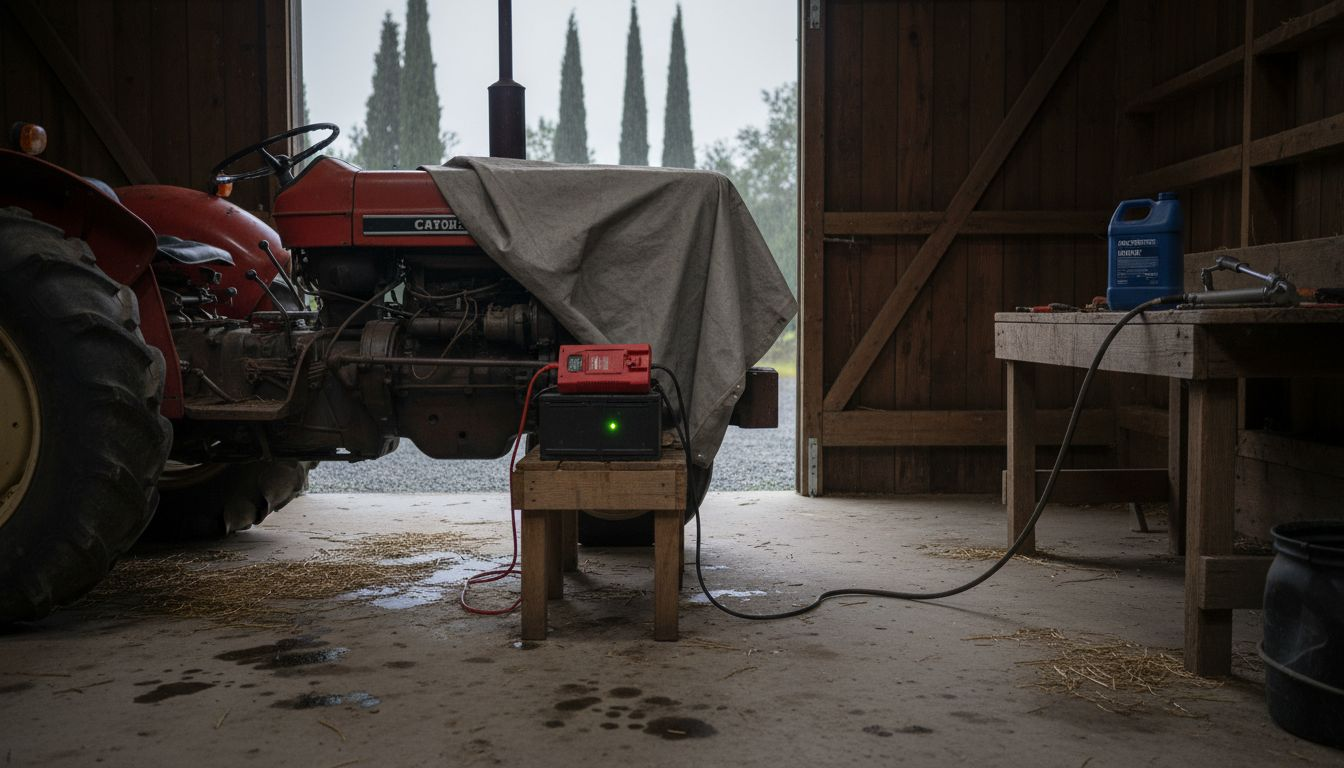
Use antifreeze rated for the lowest expected temperatures in your region. While Greek winters rarely see hard freezes, mountainous areas and overnight lows can drop below freezing. The correct coolant mixture prevents freeze damage while providing year-round corrosion protection for engine internals.
Lubricate all moving parts generously before storage. Apply grease to loader arms, three-point hitch components, and any exposed hydraulic cylinders to prevent rust on piston rods. Clean all painted and metal surfaces, then apply a protective wax coating to exposed areas. This barrier stops moisture from reaching metal and forming corrosion.
Store tractors in sheltered locations whenever possible. Even a simple roof prevents direct rain exposure and reduces humidity around the machine. If indoor storage is unavailable, use breathable covers that allow moisture to escape while blocking precipitation.
Winter storage best practices:
- Fill fuel tank completely and add stabilizer to prevent condensation and fuel degradation
- Apply antifreeze suitable for your region’s minimum expected temperatures
- Lubricate all exposed metal, hydraulic rods, and moving components thoroughly
- Clean and wax painted surfaces to create moisture barrier
- Store in dry, sheltered location or use breathable protective cover
- Disconnect battery or use maintainer charger for extended storage periods
Comprehensive storage guidance is available through machinery storage best practices resources designed for Greek climate conditions.
Key maintenance components to monitor year-round
Beyond seasonal tasks, certain components require continuous attention regardless of weather or workload. These critical systems directly impact safety, efficiency, and reliability across all farming operations.
Tire pressure and tread depth affect both safety and fuel economy. Properly inflated tires improve fuel economy by up to 10% and reduce tire wear significantly. Check pressure monthly using an accurate gauge, adjusting for load and field conditions. Inspect tread for cuts, embedded objects, or uneven wear patterns indicating alignment issues.
Belts, hoses, and filters follow manufacturer replacement intervals, but visual inspections should occur more frequently. Track hours and dates for each component, replacing before failure rather than after. Hydraulic and fuel systems require leak checks every 50 hours minimum. Small leaks waste fluid, contaminate soil, and signal impending failures.
Year-round monitoring priorities:
- Check tire pressure monthly and inspect tread for damage or irregular wear
- Track belt and hose replacement intervals per manufacturer specifications
- Monitor hydraulic system for leaks, slow response, or unusual noises
- Inspect fuel lines and filters every 50 hours for contamination or damage
- Test all safety features including brakes, lights, and emergency shutoffs quarterly
- Document all maintenance activities with dates and meter readings
| Component | Inspection Frequency | Replacement Interval | Critical Indicators |
|---|---|---|---|
| Tire Pressure | Monthly | As needed for wear | Uneven tread, sidewall cracks |
| Engine Oil | Every 50 hours | 100-200 hours | Dark color, metal particles |
| Air Filter | Every 25 hours | When dirty or damaged | Visible dirt, tears in element |
| Hydraulic Fluid | Every 100 hours | 500-1000 hours | Milky appearance, burnt smell |
| Belts | Every 50 hours | At first sign of wear | Cracks, glazing, fraying |
Stay current with seasonal tractor care Greece recommendations to ensure your monitoring schedule aligns with local operating conditions.
Parts replacement: when and what to replace seasonally
Timely parts replacement prevents breakdowns and maintains optimal performance. Certain components wear predictably based on hours, seasons, and operating conditions, making replacement scheduling straightforward.
Filters, belts, and hoses constitute the most common wear items requiring seasonal attention. Air filters need replacement when visibly dirty or after every 100-200 hours in dusty conditions. Fuel filters should change every 200-400 hours or annually. Oil filters accompany every oil change, typically every 100-200 hours depending on manufacturer guidance.
Adhering to replacement schedules reduces unplanned repairs by approximately 40%. Follow manufacturer intervals as baseline guidance, but adjust for your specific conditions. Dusty fields, high hours, or extreme temperatures accelerate wear and warrant shorter intervals.
Visual inspection reveals urgent replacement needs. Cracks in belts indicate imminent failure. Fraying on hoses suggests internal deterioration. Stiffness in rubber components signals age hardening that leads to sudden splits. Replace immediately when these signs appear rather than waiting for scheduled intervals.
Source quality parts from trusted local suppliers. Counterfeit or substandard components fail prematurely and can damage expensive systems. Genuine or high-quality aftermarket parts provide reliability and often include warranties.
Seasonal replacement guidelines:
- Replace air filters every 100-200 hours or when inspection shows dirt buildup
- Change fuel filters every 200-400 hours to maintain injector cleanliness
- Inspect belts every 50 hours and replace at first signs of cracking or glazing
- Check hoses for softness, cracks, or bulging and replace before leaks develop
- Follow manufacturer oil change intervals, adjusting for severe duty conditions
- Use quality parts meeting or exceeding original equipment specifications
Find detailed replacement guidance and quality parts through tractor parts & service tips designed for Greek farming operations.
Summary comparison: seasonal maintenance tasks and tools
This comparison table provides quick reference for planning your annual maintenance calendar. Use it to prepare parts lists, schedule downtime, and ensure nothing gets overlooked across farming seasons.
| Season | Primary Focus | Critical Parts | Lubrication Frequency | Performance Impact |
|---|---|---|---|---|
| Spring | Startup readiness | Battery, filters, fluids | Every 50 hours | Prevents planting delays, ensures reliable starting |
| Summer | Heat protection | Coolant, belts, radiator | Every 25-30 hours | Reduces overheating by 30%, prevents heat damage |
| Autumn | Harvest prep + storage | Oils, hydraulics, hoses | Every 50 hours | Cuts harvest breakdowns 25%, prepares safe storage |
| Winter | Corrosion prevention | Antifreeze, protective coatings | Before storage | Eliminates rust damage, ensures spring readiness |
Situational recommendations: choosing maintenance tactics by farm needs
Different farming operations require customized approaches. Your farm size, tractor workload, local climate variations, and parts access all influence optimal maintenance strategies.
Small-scale farms with limited equipment benefit from focusing on essentials. Prioritize battery care, fluid levels, and filter replacements to maximize uptime with minimal time investment. Keep critical spare parts on hand since downtime hits harder with fewer backup machines.
Large operations should implement comprehensive maintenance programs covering all systems. Schedule regular inspections of belts, hydraulics, cooling systems, and electrical components. The investment in thorough maintenance pays dividends through reduced emergency repairs and extended equipment life across larger fleets.
Adjust tactics for field conditions. Tractors working primarily in dry fields accumulate more dust, requiring more frequent air filter service. Irrigated operations expose machines to more moisture, demanding enhanced rust prevention and more frequent greasing of exposed components.
Tractor age and model matter significantly. Older machines need shorter inspection intervals and more frequent fluid changes as seals age and tolerances increase. Modern tractors with electronic systems require specialized diagnostic tools and dealer support for some maintenance tasks.
Pro Tip: Build relationships with quality local parts suppliers who understand Greek farming needs. Quick access to correct parts during critical seasons prevents extended downtime and keeps your operation running smoothly.
Tailored maintenance strategies:
- Small farms should maintain battery, fluids, and filters while keeping critical spares available
- Large operations benefit from comprehensive scheduled maintenance across all systems
- Dry field operations require more frequent air filter service and dust protection
- Irrigated farming demands enhanced rust prevention and moisture management
- Older tractors need shorter service intervals and proactive seal replacement
- Modern equipment requires dealer support for electronic diagnostics and calibration
Explore tractor pre-season preparation and identifying tractor spare parts resources to optimize your specific maintenance approach.
Enhance your tractor care with expert guidance and quality parts
Implementing seasonal maintenance successfully requires both knowledge and reliable parts sources. Access comprehensive agricultural machinery maintenance guide resources tailored specifically for Greek farming conditions and Mediterranean climate challenges. Understanding essential agricultural machinery parts helps you make informed decisions when sourcing components. Quality parts ensure durability, proper fit, and long-term reliability. Leverage professional tractor parts and service tips to extend your equipment’s productive life while minimizing costly breakdowns during critical farming periods.
Frequently asked questions
How often should I check the radiator coolant during summer in Greece?
Check radiator coolant at least weekly during summer months when temperatures exceed 35°C. Daily checks before starting work are ideal during extreme heat waves. Low coolant causes rapid overheating that can warp cylinder heads or crack engine blocks within minutes.
What antifreeze should I use for winter storage in Greece?
Use antifreeze rated for at least -15°C to -20°C even in coastal areas. Mountain regions require -25°C protection. Mediterranean winters rarely see hard freezes, but overnight lows and occasional cold snaps can damage unprotected engines. Quality antifreeze also provides year-round corrosion protection for cooling system internals.
When should I replace belts and hoses on my tractor?
Replace belts and hoses immediately if you see cracks, fraying, softness, or stiffness during inspections. Even without visible damage, replace belts every 2-3 years and hoses every 3-5 years as preventive maintenance. Age degrades rubber even without obvious wear, leading to sudden failures during peak use.
How often should I inspect my tractor battery?
Inspect battery at least twice yearly, ideally in early spring before planting and again in autumn before harvest. Check voltage, clean terminals of corrosion, and test charging system output. Weak batteries fail suddenly during critical operations, and early detection prevents unexpected downtime.
Why is proper tire pressure important for tractors?
Correct tire pressure improves fuel efficiency by up to 10%, reduces tire wear significantly, and enhances traction and safety. Check pressure monthly with an accurate gauge, adjusting for load and field conditions. Underinflated tires increase rolling resistance and fuel consumption while accelerating sidewall damage.