

Every farm machinery operator in Thessaloniki and Kavala knows the frustration when equipment fails right in the middle of a busy season. Understanding the full machinery lifecycle offers more than just solutions for quick fixes—it provides a clear path to stretching every machine’s working years and avoiding costly downtimes. By focusing on stages like design, operation, and end-of-life based on proven lifecycle models, you can take control of maintenance, improve efficiency, and keep your fleet running strong year after year. For those ready to make proactive choices, mastering machinery lifecycle management is the key to successful, reliable farming.
Table of Contents
- Defining Machinery Lifecycle In Agriculture
- Key Stages Of Machinery Lifecycle
- Types And Variations Of Equipment Lifecycles
- Managing Maintenance And Performance
- Risks, Costs, And Common Mistakes
- Lifecycle Strategies To Minimize Downtime
Key Takeaways
| Point | Details |
|---|---|
| Comprehensive Lifecycle Management | Understanding the machinery lifecycle, from design to disposal, enhances equipment performance and sustainability in agriculture. |
| Strategic Maintenance Practices | Implementing preventive, predictive, and condition-based maintenance strategies minimizes downtime and maximizes operational efficiency. |
| Importance of Performance Evaluation | Regular performance assessments and maintenance tracking systems lead to informed decisions on repairs, upgrades, and replacements. |
| Risk Mitigation and Financial Sustainability | Proactively managing risks related to machinery operations can significantly lower costs and enhance productivity. |
Defining Machinery Lifecycle in Agriculture
Understanding the machinery lifecycle in agriculture involves examining a complex series of interconnected stages that track agricultural equipment from initial production through operational use to eventual disposal. Agricultural machinery lifecycle assessment represents a comprehensive approach to tracking equipment performance, environmental impact, and operational efficiency throughout its entire existence.
The lifecycle typically encompasses multiple critical phases: initial design and manufacturing, procurement, active operational use, routine maintenance, potential upgrades or modifications, and ultimate disposal or recycling. Farmers and agricultural professionals must consider each stage strategically, recognizing that equipment performance is not merely about immediate functionality but about long-term sustainability and economic value. This holistic perspective helps optimize resource allocation, reduce unnecessary equipment replacement, and minimize environmental footprint.
Key components of machinery lifecycle management include periodic performance evaluations, systematic maintenance protocols, and proactive assessment of equipment condition. Modern agricultural operations increasingly rely on comprehensive environmental impact analysis to understand how machinery interactions affect broader ecological systems. These assessments help farmers make informed decisions about equipment selection, maintenance frequency, and eventual retirement strategies.
Pro tip: Develop a detailed tracking system for each piece of agricultural machinery that logs maintenance history, operational hours, repair costs, and performance metrics to facilitate more strategic lifecycle management.
Key Stages of Machinery Lifecycle
The machinery lifecycle in agricultural contexts represents a comprehensive journey from initial conception to final retirement, encompassing multiple critical stages that determine overall equipment performance and sustainability. Machinery lifecycle stages provide a structured framework for understanding how agricultural equipment evolves through distinct phases of development, utilization, and eventual disposal.
These stages typically include five primary components: development and design, production and manufacturing, logistics and marketing, operational deployment, and end-of-life management. The design phase involves conceptualizing equipment that meets specific agricultural requirements, focusing on durability, efficiency, and adaptability to diverse farming environments. During production, manufacturers leverage advanced engineering techniques to transform design concepts into functional machinery, ensuring precision manufacturing and quality control standards are consistently maintained.
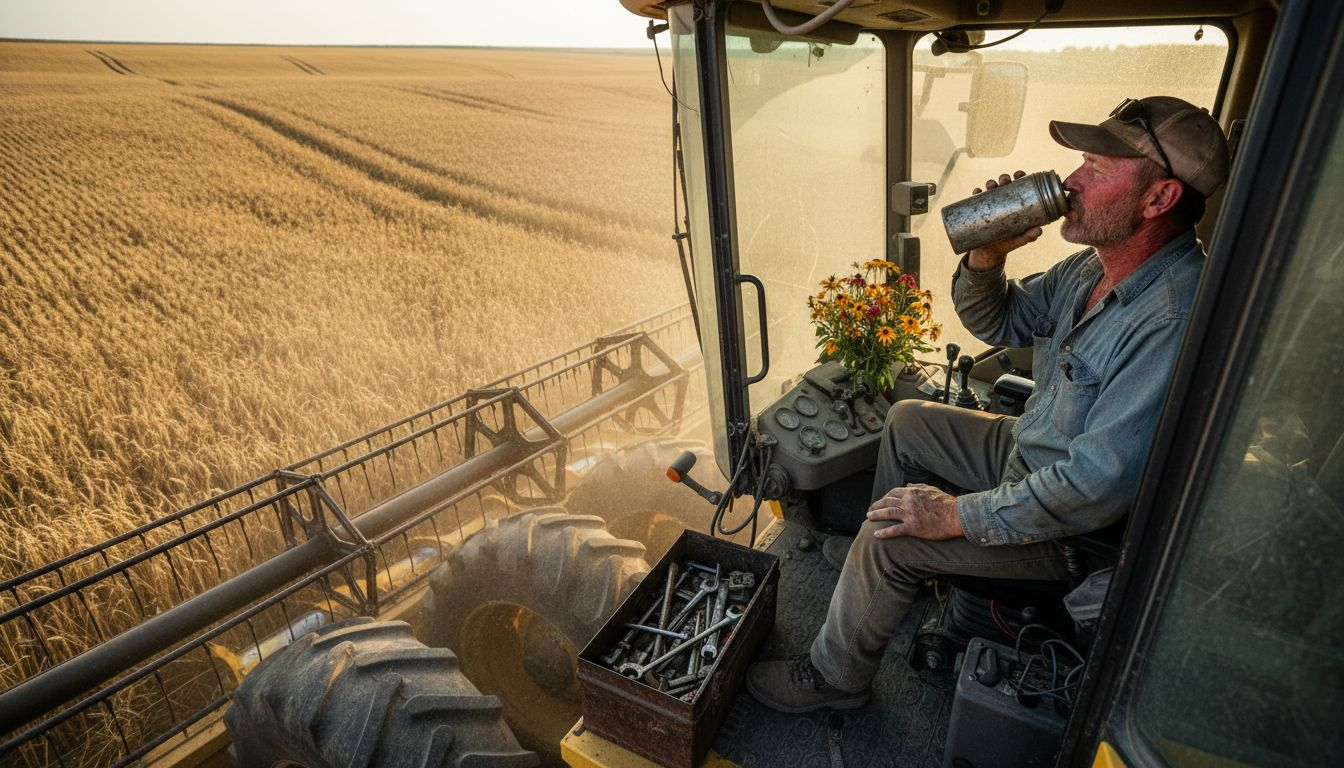
The operational phase represents the most critical stage in the machinery lifecycle, where equipment performance and maintenance strategies directly impact long-term reliability and economic value. Farmers must implement rigorous maintenance protocols, monitor equipment condition, and make strategic decisions about repair, replacement, or upgrade based on comprehensive performance assessments. This stage involves tracking operational hours, evaluating wear and tear, managing warranty periods, and ensuring optimal functionality across different agricultural scenarios.
Pro tip: Create a detailed equipment tracking spreadsheet that logs each machine’s purchase date, maintenance history, repair costs, and performance metrics to facilitate data-driven lifecycle management decisions.
Types and Variations of Equipment Lifecycles
Agricultural machinery encompasses diverse equipment types with unique lifecycle characteristics that significantly impact farm operational efficiency. Agricultural equipment lifecycle variations demonstrate remarkable complexity, reflecting the intricate demands of modern farming environments and technological requirements.
Different equipment categories exhibit distinct lifecycle profiles based on their functional specialization and technological complexity. Tractors, for instance, represent long-term investments with extended operational lifespans, while specialized harvesting equipment might have shorter but more intensive usage cycles. Smaller implements like seeders and sprayers typically experience different wear patterns compared to heavy-duty machinery, necessitating nuanced maintenance and replacement strategies. Each equipment type demands tailored lifecycle management approaches that account for factors such as operational intensity, environmental conditions, maintenance frequency, and technological obsolescence.
The comparative lifecycle management strategies reveal critical variations across agricultural machinery classes. Precision equipment like GPS-enabled tractors and automated harvesting systems often require more sophisticated lifecycle planning, involving regular software updates, sensor calibrations, and technological upgrades. Conversely, traditional mechanical implements might prioritize durability, mechanical resilience, and straightforward maintenance protocols. Farmers must develop adaptive strategies that recognize these fundamental differences, balancing economic considerations with technological evolution and operational requirements.
The table below summarizes typical lifespans and management needs for common types of agricultural machinery:
| Equipment Type | Average Operational Lifespan | Notable Lifecycle Management Needs |
|---|---|---|
| Tractor | 15+ years | Regular updates, advanced diagnostics |
| Harvester | 8-12 years | Intense maintenance during season |
| Seeder/Sprayer | 6-10 years | Frequent calibration, corrosion checks |
| Precision Equipment | 5-8 years | Software updates, sensor calibration |
Pro tip: Develop equipment-specific lifecycle profiles that document unique maintenance requirements, expected operational duration, and replacement triggers for each machinery category in your agricultural operation.
Managing Maintenance and Performance
Machinery maintenance represents a critical strategic function in agricultural operations, directly impacting equipment reliability and farm productivity. Maintenance management strategies reveal complex interconnections between operational performance, financial investment, and systematic equipment care that go far beyond routine mechanical interventions.
Successful maintenance approaches typically incorporate multiple complementary methodologies, including preventive, predictive, and condition-based maintenance techniques. Preventive maintenance involves scheduled inspections, regular lubrication, component replacements, and systematic checks designed to identify potential issues before they escalate into significant problems. Predictive maintenance leverages advanced diagnostic technologies like vibration analysis, thermal imaging, and digital sensor monitoring to anticipate potential equipment failures, enabling farmers to schedule interventions precisely when needed.
The comprehensive agricultural maintenance guide emphasizes the importance of developing holistic maintenance protocols that address both mechanical functionality and operator safety. Critical maintenance tasks include comprehensive equipment cleaning, systematic lubrication, precise calibration, component inspections, and timely repairs. These strategies require well-trained maintenance personnel, adequate financial resources, and a strategic approach that balances immediate operational needs with long-term equipment sustainability.
Here’s a concise comparison of maintenance strategies for agricultural machinery:
| Maintenance Approach | Example Actions | Key Benefits |
|---|---|---|
| Preventive | Scheduled checks, oil changes | Minimizes breakdown risk |
| Predictive | Sensor monitoring, data analysis | Detects issues before failure |
| Condition-Based | Real-time inspections | Adapts maintenance to equipment status |
Pro tip: Develop a digital maintenance tracking system that logs equipment performance metrics, schedules preventive maintenance, and provides real-time alerts for potential mechanical issues across your agricultural machinery fleet.
Risks, Costs, and Common Mistakes
Agricultural machinery operations involve complex financial and operational risks that can significantly impact farm productivity and profitability. Agricultural machinery safety risks encompass a wide range of potential challenges that require strategic management and proactive intervention to mitigate potential economic losses.
The most critical risks emerge from several key areas: equipment maintenance neglect, inadequate operator training, and insufficient safety protocols. Financial implications can be substantial, with unexpected breakdowns potentially costing farms thousands of dollars in lost productivity, emergency repair expenses, and operational disruptions. Common mistakes include postponing routine maintenance, using outdated equipment without proper upgrades, ignoring manufacturer-recommended service intervals, and failing to implement comprehensive safety training programs for machinery operators.
Economic analysis reveals that preventable risks can dramatically increase operational costs. Equipment downtime, emergency repairs, and potential workplace accidents create a compounding financial burden that extends far beyond immediate repair expenses. Farms that develop systematic risk management strategies, invest in regular maintenance, prioritize operator training, and maintain updated safety equipment typically experience significantly reduced operational risks and lower long-term machinery-related expenses. This approach transforms risk management from a reactive process to a proactive strategic investment in farm sustainability and operational efficiency.
Pro tip: Develop a comprehensive risk assessment matrix that quantifies potential machinery-related risks, assigns financial impact probabilities, and creates targeted mitigation strategies for each identified operational vulnerability.
Lifecycle Strategies to Minimize Downtime
Machinery downtime represents a significant economic challenge for agricultural operations, demanding sophisticated and proactive management strategies. Effective downtime reduction techniques require a comprehensive approach that integrates advanced technological monitoring, strategic maintenance planning, and continuous performance optimization.
Key strategies for minimizing downtime involve implementing data-driven maintenance protocols and leveraging advanced technological solutions. This includes utilizing real-time monitoring systems, capturing machine performance metrics, and developing predictive maintenance frameworks that anticipate potential equipment failures before they occur. Critical performance indicators such as mean time between failures (MTBF) and mean time to repair (MTTR) provide crucial insights into equipment reliability and maintenance effectiveness, enabling farmers to make informed decisions about machinery management.
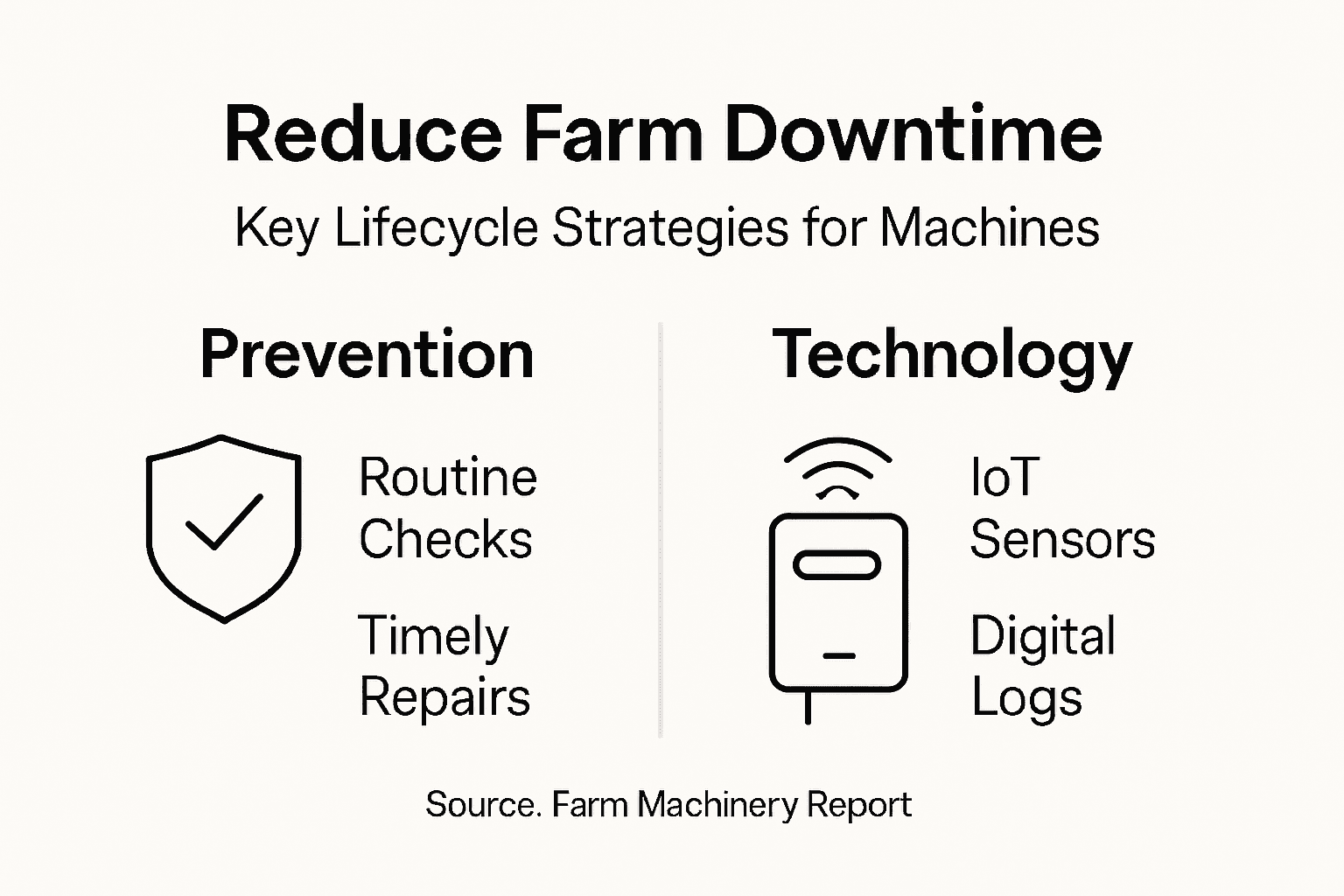
The predictive maintenance revolution in agricultural machinery highlights the transformative potential of Internet of Things (IoT) sensors and data analytics. These technologies enable farmers to transition from reactive repair models to proactive maintenance strategies, dramatically reducing unexpected breakdowns and extending equipment operational lifespans. By integrating sophisticated sensor networks, machine learning algorithms, and comprehensive performance tracking systems, agricultural operations can achieve unprecedented levels of equipment reliability and operational efficiency.
Pro tip: Implement a digital maintenance dashboard that tracks real-time equipment performance metrics, generates automated maintenance alerts, and provides comprehensive historical performance data for strategic decision-making.
Maximize Farm Productivity by Managing Your Machinery Lifecycle Effectively
Reducing farm downtime is crucial when dealing with agricultural machinery. This article highlights key challenges such as unexpected equipment failures, insufficient maintenance strategies, and the importance of predictive maintenance to extend machinery lifespan. If you want to avoid costly breakdowns and optimize your farm’s operational efficiency, focusing on reliable spare parts and timely maintenance is essential.
At Pexlivanidis, we understand how critical high-quality tractor accessories and replacement parts are to minimizing downtime. With over 20,000 items available, we provide everything needed to maintain peak machinery performance. Our large inventory of agricultural machinery parts combined with free shipping for orders over 100€ in Greece means you can quickly access the components required to keep your equipment running smoothly.
Don’t wait for a breakdown to disrupt your harvest season. Take control by exploring our extensive selection and benefit from our expert support today. Visit Pexlivanidis now to secure the parts that keep your farm moving forward without interruption.
Frequently Asked Questions
What are the key phases of the machinery lifecycle in agriculture?
The machinery lifecycle in agriculture includes several critical phases: initial design and manufacturing, procurement, active operational use, routine maintenance, potential upgrades or modifications, and eventual disposal or recycling.
How can farmers effectively manage maintenance to reduce machinery downtime?
Farmers can effectively manage maintenance by implementing preventive, predictive, and condition-based maintenance strategies. This includes regular inspections, using diagnostic technologies, and developing comprehensive maintenance protocols that address both functionality and operator safety.
What role does predictive maintenance play in the machinery lifecycle?
Predictive maintenance plays a crucial role by allowing farmers to anticipate potential equipment failures using advanced technologies. This proactive approach minimizes unexpected breakdowns and can significantly extend the operational lifespan of machinery.
How can machinery operators identify and mitigate risks associated with agricultural equipment?
Operators can identify and mitigate risks by conducting regular maintenance, adhering to manufacturer-recommended service intervals, implementing comprehensive safety training programs, and developing a risk assessment matrix that quantifies potential issues and financial impacts.