

Nearly every Greek farm technician recognizes the impressive power of American tractor design in shaping safe and productive agriculture. Efficient machinery maintenance practices have become a competitive necessity, not just an ideal, as Greek operators adapt to advanced technologies and evolving market demands. This article highlights practical ways to extend machinery lifespan and reliably source quality parts, helping both veteran operators and new technicians improve operational efficiency across every season.
Table of Contents
- Defining The Machinery Operator Role
- Types Of Machinery Used In Agriculture
- Key Skills And Training Requirements
- Legal Safety Standards And Regulations
- Daily Responsibilities And Common Challenges
- Reducing Risks And Avoiding Mistakes
Key Takeaways
| Point | Details |
|---|---|
| Machinery Operators Enhance Efficiency | Machinery operators play a vital role in modernizing agriculture by effectively managing complex equipment to boost productivity. |
| Continuous Training is Essential | Operators should invest in ongoing education to keep pace with technological advancements in agricultural machinery. |
| Safety Standards are Crucial | Adherence to legal safety protocols and rigorous training ensures operator safety and minimizes workplace accidents. |
| Data-Driven Decision Making | Utilizing data analytics and real-time monitoring significantly improves operational efficiency and risk management. |
Defining the Machinery Operator Role
Agriculture has undergone a transformative shift with the emergence of machinery operators, professionals who are central to modern farming efficiency. Agricultural machinery operators play a critical role in transforming traditional manual labor practices into sophisticated mechanized operations. Their expertise bridges the gap between technological innovation and agricultural productivity.
The responsibilities of machinery operators extend far beyond simply driving equipment. These skilled professionals manage complex motorized machinery for diverse agricultural tasks including land preparation, precise planting, crop maintenance, and harvesting. By ensuring optimal use of resources like water, fertilizers, and pesticides, they directly contribute to improving farm yield and crop quality. Their technical knowledge allows them to monitor equipment performance, conduct routine maintenance, and make quick operational adjustments to maximize agricultural output.
A machinery operator’s skill set requires a unique combination of technical understanding and practical agricultural knowledge. They must comprehend the intricate mechanics of various agricultural machines while simultaneously understanding crop science, soil conditions, and seasonal agricultural cycles. This holistic approach enables them to make informed decisions about machinery deployment, equipment settings, and operational strategies that enhance overall farm productivity.
Pro tip: Invest in continuous training and stay updated on the latest agricultural machinery technologies to remain competitive and improve operational efficiency.
Types of Machinery Used in Agriculture
Agriculture relies on a sophisticated array of specialized machinery that transforms traditional farming practices. Modern agricultural equipment encompasses a diverse range of machines designed to optimize every stage of crop production. From initial soil preparation to final harvest, these technological marvels have revolutionized farming efficiency and productivity.
The primary categories of agricultural machinery include tractors, tillage machines, seeders, sprayers, and harvesters. Tractors serve as the fundamental power source, capable of pulling various attachments and performing multiple tasks. Tillage machines prepare soil by breaking and turning earth, creating optimal conditions for planting. Precision seeders enable farmers to plant crops with exact spacing and depth, maximizing germination potential. Sprayers facilitate targeted application of fertilizers and pest control solutions, while sophisticated harvesters streamline the crop collection process.
Technological advancements have transformed traditional machinery into intelligent systems. GPS-guided tractors and precision equipment now integrate advanced sensors and automation technologies that dramatically improve operational accuracy. These smart machines can track precise field locations, adjust equipment settings in real-time, and minimize resource waste. By collecting and analyzing data during farming operations, modern agricultural machinery supports more sustainable and economically efficient farming practices.
Here’s a summary of main types of agricultural machinery and how each impacts farm productivity:
| Machinery Type | Primary Function | Efficiency Benefit | Typical Use Case |
|---|---|---|---|
| Tractors | Power source for implements | Enables multi-tasking and speed | Plowing, hauling |
| Tillage Machines | Prepare and condition soil | Improves seedbed quality | Pre-planting soil preparation |
| Seeders | Precise crop planting | Optimizes germination rates | Row crop sowing |
| Sprayers | Apply fertilizers, protect crops | Reduces chemical waste | Pest and nutrient management |
| Harvesters | Gather mature crops efficiently | Cuts harvest time, reduces losses | Grain and fruit harvesting |
Pro tip: Regularly update your machinery’s software and conduct preventative maintenance to ensure optimal performance and extend equipment lifespan.
Key Skills and Training Requirements
Machinery operators in agriculture must develop a comprehensive skill set that combines technical knowledge, mechanical aptitude, and practical agricultural understanding. Agricultural machinery training emphasizes critical competencies that extend far beyond simple equipment operation. Successful operators must master complex technological systems while maintaining a deep understanding of agricultural processes and safety protocols.
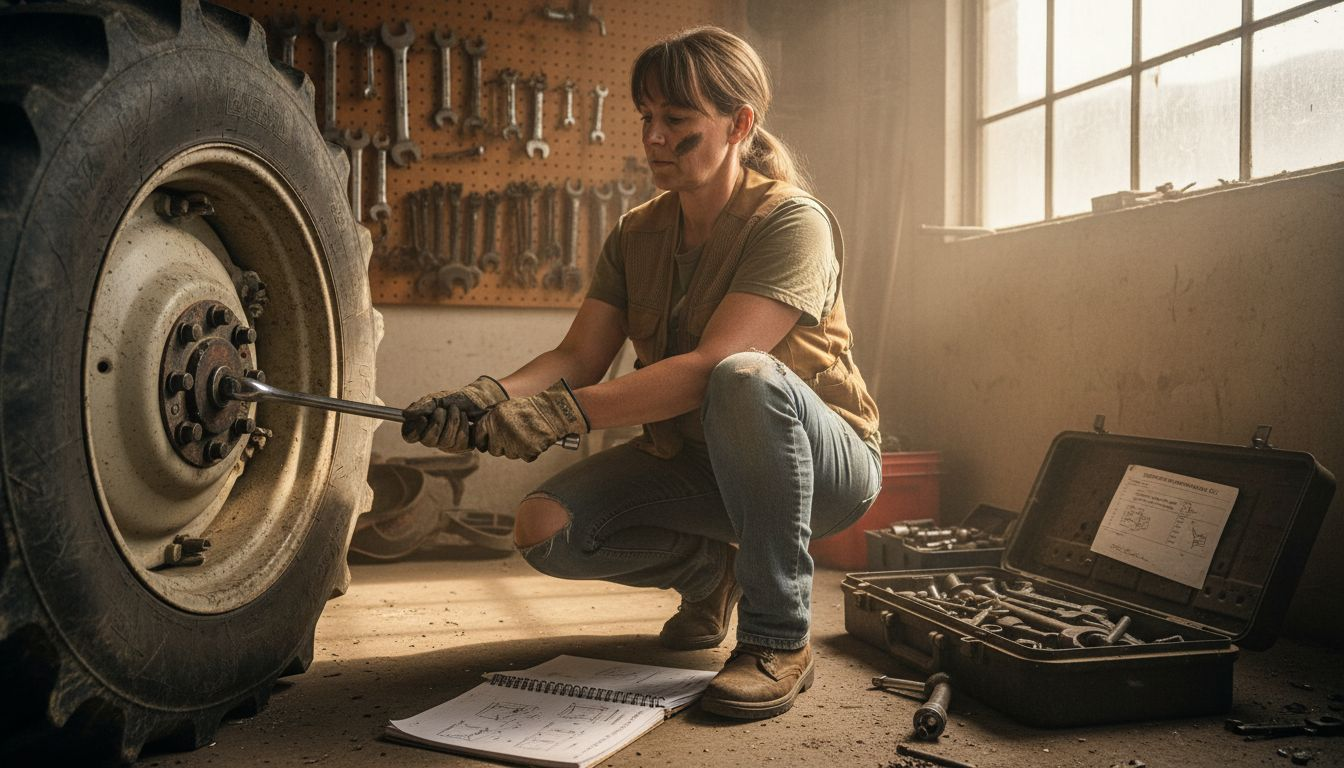
The core skills required for modern agricultural machinery operators include advanced mechanical comprehension, diagnostic capabilities, and technological adaptability. Operators need to understand intricate machine controls, interpret sensor data, and perform sophisticated troubleshooting techniques. Technical training programs now incorporate sophisticated learning modules that cover machine mechanics, digital interface management, GPS navigation systems, and precision agriculture technologies. These programs teach operators how to calibrate equipment, monitor performance metrics, and make real-time operational adjustments that optimize farm productivity.
Professional development for agricultural machinery operators has evolved to include digital competencies and data interpretation skills. Modern training increasingly focuses on integrating smartphone technologies, digital monitoring systems, and advanced sensor interpretations. Operators must now understand how to collect, analyze, and leverage operational data to improve efficiency. This requires not just mechanical skills, but also analytical thinking, problem-solving capabilities, and a systematic approach to agricultural technology management. Continuous learning and adaptability have become fundamental requirements in an increasingly technology-driven agricultural landscape.
This table compares core skills required for modern machinery operators and their impact on agricultural operations:
| Skill Area | Description | Operational Impact |
|---|---|---|
| Mechanical Comprehension | Understanding machine mechanics | Minimizes downtime, ensures reliability |
| Technological Adaptability | Using modern digital controls | Supports precision and smart farming |
| Safety Protocol Knowledge | Following legal and practical standards | Decreases accident risk |
| Data Analysis & Monitoring | Interpreting sensor/generated data | Improves efficiency and decision making |
Pro tip: Invest in ongoing professional certifications and digital skill training to remain competitive in the rapidly evolving agricultural technology sector.
Legal Safety Standards and Regulations
Agriculture demands rigorous safety protocols to protect machinery operators and prevent workplace accidents. Safety standards for agricultural machinery represent a comprehensive framework of legal requirements designed to mitigate risks and ensure operational safety. These regulations encompass equipment design, operational procedures, personal protective equipment, and systematic risk management strategies that safeguard both human resources and agricultural productivity.
The legal landscape of agricultural machinery safety involves multiple layers of regulatory compliance. Operators must adhere to national and regional standards that specify precise requirements for machine maintenance, operator training, and workplace safety protocols. These regulations typically mandate specific protective equipment, regular machine inspections, comprehensive operator certification programs, and detailed documentation of safety procedures. Key requirements include maintaining proper machine guards, implementing emergency shutdown mechanisms, ensuring adequate operator training, and establishing clear operational guidelines that minimize potential hazards during farm machinery operations.
Stakeholder engagement plays a critical role in developing and implementing effective safety regulations. Regulatory bodies, agricultural associations, machinery manufacturers, and operator representatives collaborate to create dynamic safety frameworks that adapt to technological advancements. These collaborative efforts focus on balancing technological innovation with worker protection, considering the complex social and economic implications of mechanization. Modern safety standards increasingly incorporate digital monitoring systems, advanced risk assessment technologies, and comprehensive training programs that prepare operators to navigate increasingly sophisticated agricultural machinery environments.
Pro tip: Maintain a comprehensive safety log and participate in regular certification programs to stay current with evolving legal safety standards and protect yourself from potential workplace risks.
Daily Responsibilities and Common Challenges
Agriculture machinery operators shoulder a complex array of daily responsibilities that demand technical expertise and adaptability. Daily operational challenges encompass a wide range of critical tasks that require precision, mechanical knowledge, and strategic planning. Operators must seamlessly transition between equipment preparation, field operations, maintenance protocols, and real-time problem solving to ensure farm productivity.
The typical workday for a machinery operator involves multiple interconnected responsibilities. These include comprehensive equipment inspections, calibrating machinery settings, executing precise field operations like tilling, planting, and harvesting, and performing routine maintenance checks. Operators must navigate challenging environmental conditions, manage sophisticated technological systems, and make rapid decisions that directly impact agricultural output. Weather variability, unexpected machine breakdowns, terrain complexities, and operational time constraints create a dynamic and demanding work environment that requires exceptional skill and resilience.
Machinery operators consistently face multifaceted challenges that test their technical and adaptive capabilities. These challenges extend beyond mechanical operations and include managing resource constraints, addressing skill gaps, and maintaining optimal equipment performance. Smallholder farmers often encounter additional barriers related to mechanization support, technological access, and knowledge transfer. Successful operators develop a comprehensive skill set that combines technical expertise, problem-solving abilities, and a deep understanding of agricultural systems. Data-driven evaluation methods and continuous learning have emerged as critical strategies for mitigating operational challenges and enhancing overall farm efficiency.
Pro tip: Develop a systematic approach to daily equipment inspection and maintain detailed operational logs to quickly identify and address potential machinery performance issues.
Reducing Risks and Avoiding Mistakes
Machinery operators must implement comprehensive strategies to minimize operational risks and prevent potential accidents in agricultural settings. Risk reduction strategies are critical for maintaining workplace safety and ensuring consistent farm productivity. By understanding and proactively addressing potential hazards, operators can create a more secure and efficient working environment.
Effective risk mitigation involves multiple layers of preventative measures. Operators must develop a systematic approach that includes rigorous equipment inspection, adherence to safety protocols, and continuous skills development. Key strategies include maintaining detailed maintenance logs, conducting regular machinery assessments, and implementing comprehensive safety checklists. Technological innovations have introduced advanced sensor systems that provide real-time monitoring of equipment performance and operator behavior, enabling immediate identification and correction of potential safety risks.
Technological tools have revolutionized risk management in agricultural machinery operations. Embedded sensor technologies and advanced analytics systems now enable operators to monitor their performance, identify unsafe practices, and receive immediate corrective feedback. These intelligent systems track operational patterns, detect potential mechanical issues, and provide actionable insights that help prevent accidents before they occur. Successful risk reduction requires a holistic approach that combines technological monitoring, comprehensive training, strict adherence to standardized operating procedures, and a proactive safety culture that prioritizes prevention over reaction.
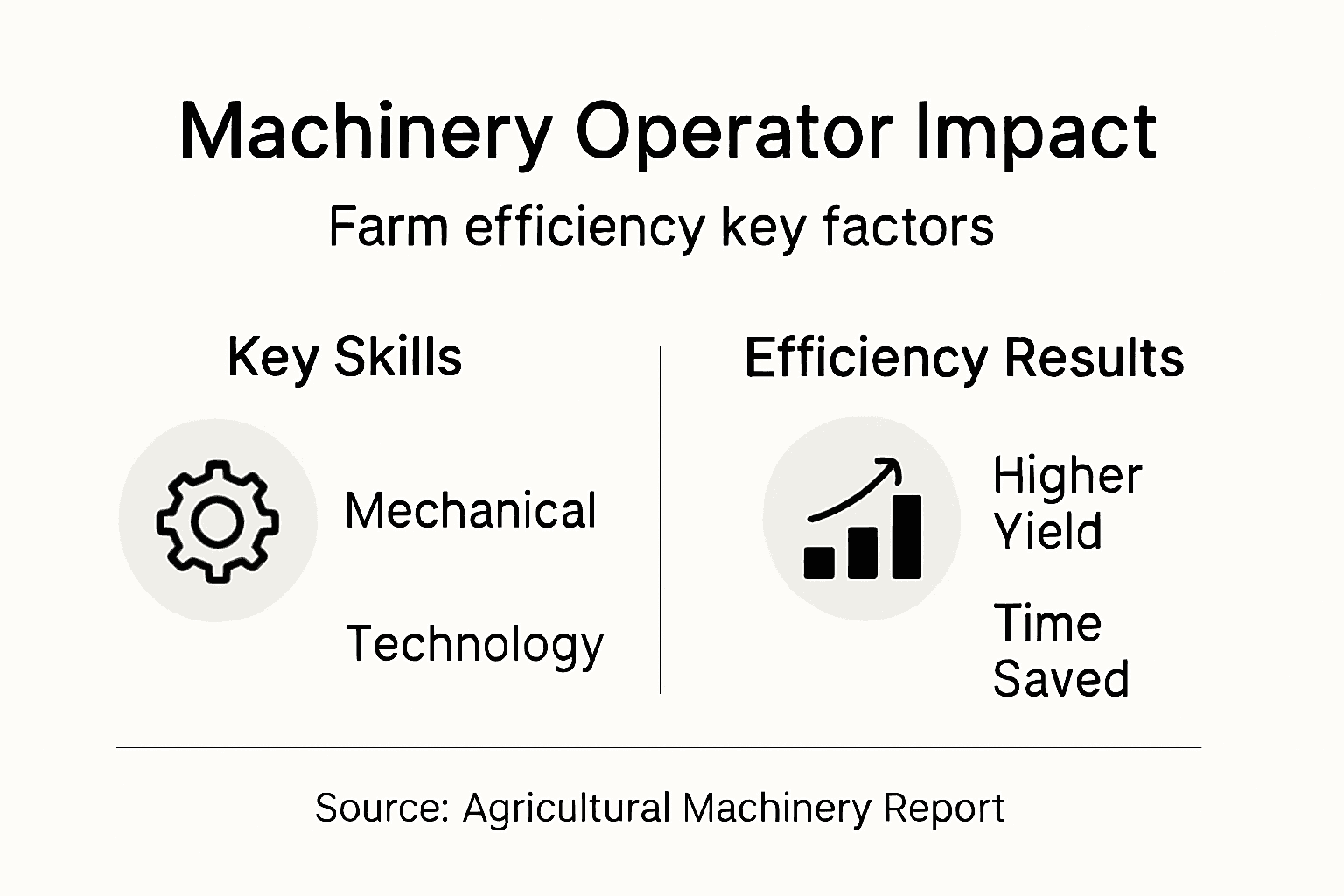
Pro tip: Create a personal safety tracking system that documents daily equipment checks, near-miss incidents, and potential risk factors to continuously improve your operational safety awareness.
Enhance Farm Efficiency with Reliable Agricultural Machinery Parts
The demanding role of machinery operators requires dependable equipment and precision parts to maintain peak farm productivity. As the article highlights, operators face complex challenges such as equipment maintenance, technological adaptability, and risk reduction. These pain points directly influence operational efficiency and crop yield. Investing in high-quality tractor accessories and spare parts is essential to minimize downtime and support the sophisticated machinery systems that modern agriculture depends on.
Discover how Pexlivanidis provides access to over 20,000 agricultural machinery parts designed to keep your equipment performing at its best. Whether you are a retailer or a B2B wholesale member, our extensive inventory and free shipping options in Greece make it easier than ever to source the components you need. Take control of your farm’s productivity today by exploring our full product range and get the replacement parts that empower machinery operators to succeed in challenging environments. Visit now to secure your farm’s operational advantage.
Frequently Asked Questions
What are the primary responsibilities of machinery operators in agriculture?
Machinery operators are responsible for managing motorized equipment used in diverse agricultural tasks, including land preparation, planting, crop maintenance, and harvesting. They ensure optimal resource use, address equipment performance issues, and conduct routine maintenance to enhance farm productivity.
How does modern technology impact the role of machinery operators?
Modern technology, such as GPS-guided tractors and precision agricultural equipment, enhances the efficiency and accuracy of machinery operators. It allows them to track precise field locations, adjust equipment settings in real-time, and minimize resource waste, ultimately making farming more sustainable and productive.
What essential skills should a machinery operator possess?
A machinery operator should have strong mechanical comprehension, technological adaptability, knowledge of safety protocols, and the ability to analyze data. This skill set allows operators to effectively maintain equipment, ensure safety, and make informed decisions that improve overall farm operations.
How can machinery operators mitigate risks while operating equipment?
Operators can minimize risks by developing a comprehensive safety strategy that includes rigorous equipment inspections, adherence to safety protocols, continuous training, and the use of advanced sensor systems. These measures help identify potential hazards and improve operational safety on the farm.