

Choosing the right seasonal maintenance tasks for your tractor directly impacts reliability and uptime on your farm in northern Greece. Targeted seasonal care can reduce tractor downtime by up to 40%, saving you costly delays during critical planting and harvest periods. This guide walks you through winterization, spring cleaning, summer checks, fall prep, and sourcing authentic parts locally in Thessaloniki and Kavala, so you keep your tractor running smoothly year-round.
Table of Contents
- How To Choose Seasonal Tractor Maintenance Tasks
- Winter Preparation: Cooling, Battery, And Engine Protection
- Spring Maintenance: Air Filters, Fuel, And Electrical Systems
- Summer And Fall Checks: Hydraulics, Lubrication, Tires, And Filters
- Importance Of Genuine Parts And Local Supplier Support
- Summary Comparison And Situational Recommendations
- Explore Trusted Seasonal Tractor Parts And Maintenance Solutions
- Frequently Asked Questions
Key Takeaways
| Point | Details |
|---|---|
| Seasonal maintenance reduces downtime | Proper seasonal care cuts tractor downtime by 40%, keeping you operational. |
| Winterization prevents freeze damage | Winterizing cooling systems reduces freeze damage by 85% in northern Greece. |
| Spring cleaning boosts engine health | Cleaning air filters and fuel systems improves efficiency and prevents overheating. |
| Hydraulic care enhances performance | Biannual hydraulic fluid changes boost efficiency by 25%. |
| Genuine parts cut failures | Using authentic parts reduces downtime by 15% and extends component life. |
How to Choose Seasonal Tractor Maintenance Tasks
Selecting the right maintenance tasks for each season depends on your local climate, how intensely you use your tractor, and which components face the most stress. In Thessaloniki and Kavala, mild winters with occasional frost require specific winterization steps. Dusty springs demand thorough air and fuel system cleaning. Understanding your regional conditions helps you prioritize tasks that prevent breakdowns.
Consider these factors when choosing seasonal maintenance:
- Climate risks: Frost exposure in Thessaloniki winters threatens coolant and battery systems, while dry, dusty spring conditions clog air filters.
- Usage frequency: Tractors running daily through planting and harvest need more frequent fluid changes and filter replacements than occasional-use machines.
- Critical systems: Engine, battery, hydraulics, and filters suffer the most seasonal stress and deserve priority attention.
- Parts availability: Local suppliers like Pexlivanidis ensure you get genuine parts quickly, reducing repair delays.
- Cost vs. benefit: Preventive seasonal care costs less than emergency repairs and lost productivity during peak farming periods.
Following a step-by-step tractor maintenance guide tailored to northern Greece conditions ensures you address the key tractor maintenance tasks at the right time. You maximize the benefits of timely tractor servicing by aligning your schedule with seasonal demands.
Winter Preparation: Cooling, Battery, and Engine Protection
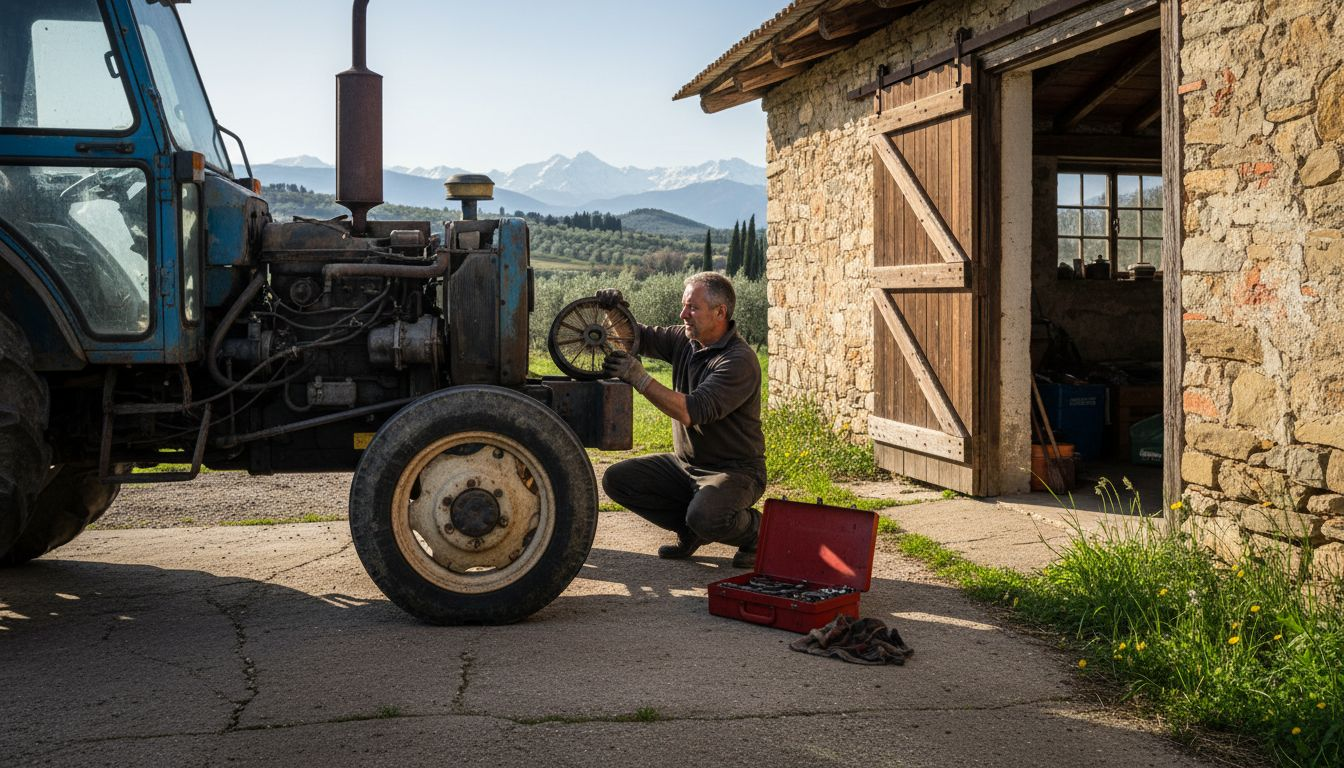
Winter in northern Greece brings occasional freezing temperatures that threaten tractor reliability. Even mild frost can crack cooling systems, drain batteries, and damage engine components if you skip winterization. Preparing your tractor before winter storage or low-use months prevents costly repairs come spring.
Essential winter maintenance steps include:
- Flush and winterize cooling system: Drain old coolant and refill with fresh antifreeze rated for your coldest expected temperatures to prevent freeze cracks.
- Test and charge battery: Weak batteries account for 25% of winter start failures; replace or fully charge yours before cold weather hits.
- Change engine oil: Old oil contains moisture and contaminants that accelerate wear during storage, so swap it for fresh oil before parking your tractor.
- Protect electrical wiring: Inspect wiring harnesses for cracks or corrosion and seal exposed connections to prevent moisture damage.
- Store under shelter: Covered storage reduces exposure to rain and frost, extending component life.
Pro Tip: Add a battery maintainer or trickle charger during winter storage to keep your battery fully charged and ready for spring startup without jumpstarting.
By following tractor winter care steps and sourcing battery and cooling system components from trusted suppliers, you extend tractor lifespan with proper winterization. These simple actions prevent expensive freeze damage and ensure reliable starts when you need your tractor again.
Spring Maintenance: Air Filters, Fuel, and Electrical Systems
Spring brings dusty field conditions across Thessaloniki and Kavala, clogging air filters and contaminating fuel systems after months of storage or light use. Thorough spring cleaning prepares your tractor for the demanding planting season ahead. Focus on removing accumulated dirt, moisture, and debris that reduce efficiency.
Critical spring maintenance tasks:
- Clean or replace air filters: Clogged filters reduce airflow, causing engine overheating and poor fuel economy during heavy fieldwork.
- Use fuel system cleaners: Chemical additives dissolve deposits in injectors and fuel lines, restoring smooth combustion and power.
- Inspect electrical connections: Winter moisture causes corrosion on battery terminals and wiring; clean and protect these connections.
- Recheck battery charge: Even a well-maintained battery can lose charge over winter, so test voltage and recharge if needed.
- Verify fluid levels: Top off coolant, hydraulic fluid, and engine oil to proper levels before starting heavy spring operations.
Pro Tip: Replace paper air filters rather than cleaning them if you operate in very dusty conditions. A fresh filter costs less than engine repairs from dirt ingestion.
Spring is also the time to address any issues discovered during winter storage. Following spring tractor maintenance tips and a proven tractor maintenance workflow ensures your machine runs cleanly. Proper spring care for engine health sets you up for a productive planting season without breakdowns.
Summer and Fall Checks: Hydraulics, Lubrication, Tires, and Filters
Summer demands peak performance from your tractor, putting stress on hydraulics, lubrication systems, and tires. Fall brings harvest pressure and the need to prepare for winter shutdown. Addressing these areas during warm months prevents failures when you can least afford downtime.
Follow these summer and fall maintenance priorities:
- Change hydraulic fluid twice yearly: Fresh fluid maintains proper pressure and responsiveness, boosting hydraulic efficiency by 25%.
- Lubricate all grease points: Regular greasing of pivot points, joints, and bearings extends moving parts life by up to 18 months.
- Inspect tires thoroughly: Check for cracks, uneven wear, and proper inflation; correct tire maintenance reduces failures by 30%.
- Replace engine oil and filters in fall: Post-harvest oil changes remove contaminants accumulated during heavy use, protecting your engine during winter storage.
- Schedule pre-winter inspection: Identify worn belts, hoses, or seals before cold weather makes repairs difficult.
| Maintenance Task | Frequency | Benefit |
|---|---|---|
| Hydraulic fluid change | Every 6 months | Maintains pressure, prevents leaks |
| Grease fittings | Every 50 hours | Reduces wear, extends part life 18 months |
| Tire inspection | Monthly during use | Cuts failure rate 30%, improves traction |
| Engine oil change | Fall after harvest | Removes contaminants, protects in storage |
Pro Tip: Keep a maintenance log with dates and tasks completed. This helps you spot patterns in wear and plan replacements before failures occur.
By following summer and fall tractor care steps, including hydraulic and lubrication maintenance, you capture the full lubrication benefits and tire performance that keep your tractor reliable through peak demand.
Importance of Genuine Parts and Local Supplier Support
Using authentic tractor parts from reputable local suppliers makes a significant difference in reliability and repair turnaround time. Aftermarket or counterfeit parts may fit initially but often fail prematurely, leading to repeated repairs and extended downtime. For farmers in Thessaloniki and Kavala, local access to genuine parts through suppliers like Pexlivanidis shortens repair cycles.
Why genuine parts and local suppliers matter:
- Compatibility and fit: Authentic parts match factory specifications precisely, reducing installation issues and premature wear.
- Quick access: Local suppliers stock common seasonal parts, eliminating shipping delays from distant warehouses.
- Extensive inventory: Pexlivanidis.com offers over 20,000 authentic agricultural parts with free shipping across Greece on orders over 100€.
- Long-term savings: Fewer breakdowns and longer component life offset the slightly higher upfront cost of genuine parts.
- Expert guidance: Local specialists help you select the right parts for your specific tractor model and seasonal needs.
Counterfeit hydraulic seals, for example, may leak within weeks, contaminating your hydraulic system and requiring a full fluid flush. Genuine seals last years. The same applies to filters, belts, and electrical components. Following an agricultural parts sourcing guide ensures you choose quality components. You capture the advantages of genuine parts and local supplier support benefits that keep your operation running smoothly.
Summary Comparison and Situational Recommendations
Each season presents distinct maintenance priorities based on climate stress and usage intensity. Understanding these differences helps you allocate time and budget effectively. The table below summarizes key tasks by season for northern Greece conditions.
| Season | Priority Tasks | Climate Focus | Typical Downtime Risk |
|---|---|---|---|
| Winter | Coolant flush, battery test, oil change | Freeze protection | High if skipped |
| Spring | Air filter cleaning, fuel system flush | Dust and moisture removal | Moderate |
| Summer | Hydraulic change, lubrication, tire check | Heat and heavy use stress | Moderate to high |
| Fall | Oil change, filter replacement, pre-winter inspection | Harvest demand, winter prep | High during harvest |
Situational recommendations for common farmer scenarios:
- High-frost areas: Prioritize winter coolant service and battery replacement if your farm experiences regular freezing temperatures.
- Dusty fields: Increase air filter replacement frequency during spring and summer to prevent engine damage.
- Daily use tractors: Follow the upper end of maintenance intervals, changing hydraulic fluid and engine oil every six months rather than annually.
- Stored tractors: Focus on proper winterization and spring revival tasks, since storage protects components from continuous wear.
By tailoring your seasonal maintenance to your specific conditions, you achieve the results shown in tractor lifespan extension research. Use a comprehensive seasonal maintenance checklist covering the best tractor maintenance tasks to ensure nothing gets overlooked.
Explore Trusted Seasonal Tractor Parts and Maintenance Solutions
Now that you understand the seasonal maintenance your tractor needs, sourcing the right parts locally ensures you complete tasks on time without delays. Pexlivanidis provides over 20,000 genuine tractor parts ideal for every seasonal care requirement, from coolant and filters to hydraulic fluids and batteries. Free shipping across Greece means farmers in Thessaloniki and Kavala receive parts quickly when seasonal deadlines approach.
Access expert resources including detailed guides on agricultural machinery parts, comprehensive agricultural machinery maintenance practices, and proven agricultural parts sourcing strategies tailored for Greek farmers. Shop now to safeguard your tractor’s performance year-round with trusted parts and local expertise.
Frequently Asked Questions
What are the most critical maintenance tasks each season?
Winter demands coolant winterization and battery testing to prevent freeze damage and start failures. Spring requires air filter cleaning and fuel system flushing to remove dust and moisture. Summer and fall focus on hydraulic fluid changes, lubrication, and tire inspections to handle peak workload stress. Using genuine parts for all these tasks reduces unexpected breakdowns.
How does climate in Thessaloniki and Kavala affect tractor maintenance?
Moderate frost risk in these regions requires winter coolant care to prevent rare but damaging freeze events. Dusty spring conditions from dry fields necessitate more frequent air and fuel system cleaning compared to wetter climates. Local climate directly shapes your seasonal maintenance priorities.
Why are genuine parts important for seasonal maintenance?
Genuine parts fit precisely according to manufacturer specifications and last significantly longer than aftermarket alternatives. They reduce unexpected breakdowns and minimize repair time by eliminating compatibility issues. The upfront cost difference pays back through fewer failures and extended component life.
Can I perform seasonal tractor maintenance myself or should I hire a professional?
Simple tasks like air filter cleaning, fluid level checks, and greasing fittings are suitable for DIY maintenance. Complex systems like hydraulic servicing, electrical diagnostics, and engine overhauls benefit from professional expertise. Match the task complexity to your skill level and available tools.