

Every tractor operator in Northern Greece knows that a working machine means more than just a job well done—it protects your livelihood. Keeping your tractor reliable requires more than routine checks. With the right inspection strategies and the proper toolkit, you can catch issues early and avoid expensive downtime. This guide brings together systematic preparation and practical maintenance advice, helping you extend your equipment’s lifespan and save on costly repairs.
Table of Contents
- Step 1: Assess Tractor Condition And Gather Essential Tools
- Step 2: Replace Worn Parts With Quality Spare Components
- Step 3: Perform Scheduled Maintenance And Lubrication
- Step 4: Inspect Critical Systems For Wear And Damage
- Step 5: Verify Long-Term Performance And Address Issues Early
Quick Summary
| Key Point | Explanation |
|---|---|
| 1. Conduct Thorough Inspections | Regularly inspect your tractor’s critical systems to identify wear and damage before they lead to failures. |
| 2. Use Quality Replacement Parts | Prioritize original equipment manufacturer (OEM) parts for reliability and compatibility when replacing worn components. |
| 3. Maintain a Scheduled Lubrication | Establish a consistent maintenance schedule for lubrication to extend the operational lifespan of your tractor. |
| 4. Track Performance Metrics | Systematically monitor engine performance, fluid consumption, and other indicators to anticipate potential mechanical issues. |
| 5. Document Everything | Keep thorough records of inspections, repairs, and maintenance activities to track trends and recurring problems. |
Step 1: Assess Tractor Condition and Gather Essential Tools
Before diving into tractor maintenance, you need a comprehensive assessment of your machine’s current condition and the right tools for the job. This critical first step will help you identify potential issues and prepare for effective maintenance work.
Start by conducting a thorough visual and functional inspection. Tractor inspection involves several key components that demand careful attention. Check the following critical areas:
- Engine oil and fluid levels
- Coolant condition
- Hydraulic fluid status
- Tire inflation and wheel condition
- Battery security and cleanliness
- Structural integrity of all parts
- Functionality of safety shields and decals
Pay special attention to potential wear points and any signs of damage. Look for hairline cracks, unusual wear patterns, or loose components that might indicate underlying mechanical issues.
Gathering the right tools is equally important. Your maintenance toolkit should include:
- Various wrench sizes
- Screwdriver set
- Diagnostic equipment
- Tire pressure gauge
- Flashlight
- Safety gloves
- Cleaning rags
Understanding your tractor’s stability characteristics can significantly improve your inspection accuracy and maintenance approach.
Systematic preparation prevents unexpected breakdowns and ensures you can address maintenance tasks efficiently. Knowing your tractor’s condition allows you to plan repairs proactively and extend its operational lifespan.
Pro tip: Always document your inspection findings in a maintenance log to track your tractor’s health over time and identify recurring issues early.
Step 2: Replace Worn Parts with Quality Spare Components
Replacing worn tractor parts is a critical maintenance strategy that ensures your machine’s ongoing performance and longevity. In this step, you will learn how to systematically identify and replace components that have reached the end of their functional life.
Proper replacement of machinery components requires careful attention to detail and understanding of your tractor’s specific requirements. When inspecting parts for replacement, focus on these key indicators:
- Visible physical damage
- Excessive wear patterns
- Reduced operational efficiency
- Unusual noise or vibration
- Compromised structural integrity
Selecting the right replacement parts is crucial for maintaining your tractor’s performance. Consider these important factors during part selection:
- Match original manufacturer specifications
- Verify compatibility with your specific tractor model
- Choose OEM or certified aftermarket components
- Check parts for quality certifications
- Compare warranty offerings
Quality spare parts are an investment in your tractor’s long-term reliability and operational efficiency.
Always prioritize original equipment manufacturer (OEM) parts whenever possible. These components are designed specifically for your tractor model and provide the most reliable performance. While aftermarket parts might seem more affordable, they can potentially compromise your machine’s functionality.
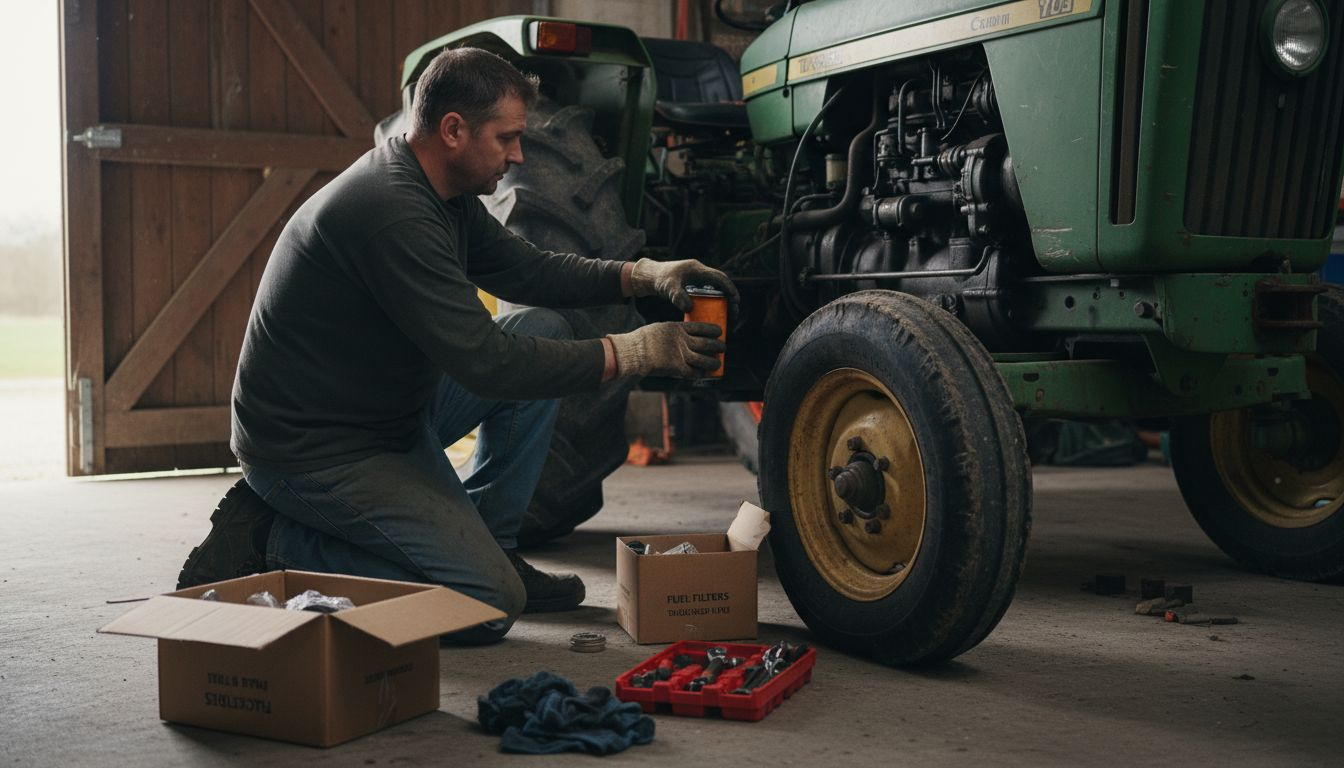
Ensure you have the necessary tools and expertise before attempting part replacement. If you are uncertain about the process, consulting a professional mechanic is recommended to prevent potential damage.
Pro tip: Maintain a detailed inventory of replaced parts, including purchase dates and manufacturer information, to help track your tractor’s maintenance history and identify potential recurring issues.
Step 3: Perform Scheduled Maintenance and Lubrication
Maintaining your tractor through consistent lubrication and scheduled maintenance is crucial for ensuring long-term performance and preventing costly breakdowns. This step will guide you through the essential processes of keeping your machinery in top operational condition.
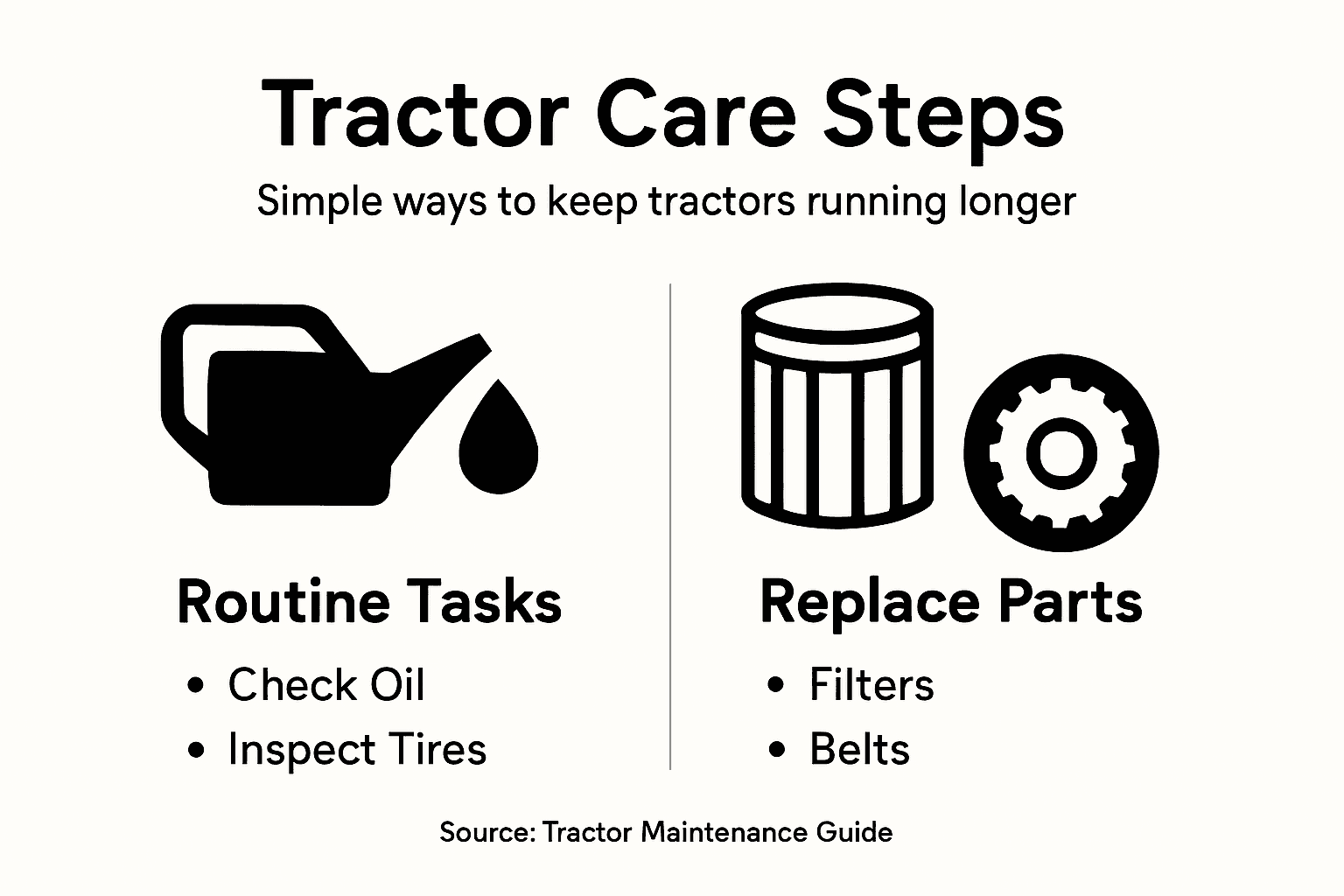
Routine lubrication reduces friction and wear on critical moving components, which is fundamental to extending your tractor’s functional lifespan. Developing a systematic maintenance approach involves several key strategies:
- Create a detailed maintenance log
- Follow manufacturer-recommended service intervals
- Use high-quality lubricants specific to your tractor model
- Check and replace lubricants at regular intervals
- Inspect lubrication points before each major operation
Proper lubrication techniques require careful attention to several critical areas:
- Identify all manufacturer-specified lubrication points
- Clean lubrication fittings before applying new grease
- Use recommended lubricant types and grades
- Apply consistent pressure during lubrication
- Wipe away excess grease to prevent dirt accumulation
Consistent maintenance is not an expense, but an investment in your tractor’s long-term reliability and performance.
Establish a comprehensive maintenance schedule that accounts for your specific operational conditions. Different tractors and usage patterns require unique maintenance approaches. Consider factors like terrain, workload, and environmental conditions when planning your lubrication and maintenance routine.
Pay special attention to manufacturer guidelines, as each tractor model has unique requirements. Track operational hours meticulously to ensure timely service interventions and prevent potential mechanical failures.
Pro tip: Create a digital or physical maintenance calendar with color-coded reminders for different lubrication and service tasks to ensure no critical maintenance step is overlooked.
Step 4: Inspect Critical Systems for Wear and Damage
Ensuring your tractor’s safety and performance requires a comprehensive inspection of its critical systems. This step will guide you through a methodical examination that helps identify potential issues before they become costly problems.
Systematic inspection of critical tractor systems is essential for preventing accidents and equipment failures. Your inspection should focus on several key areas that are fundamental to your tractor’s safe and efficient operation:
- Brake system integrity
- Hydraulic system performance
- Power take-off (PTO) components
- Steering mechanism
- Structural frame and suspension
Detailed inspection techniques require careful examination of each critical system:
- Check brake pad thickness and hydraulic brake fluid levels
- Inspect hydraulic lines for cracks or leaks
- Examine PTO shaft for alignment and wear
- Test steering response and check for play in steering components
- Look for frame cracks or structural deformations
A thorough inspection is your first line of defense against potential equipment failure and safety risks.
Understand the warning signs of system deterioration. Look for subtle indicators like unusual noises, vibrations, fluid leaks, or changes in operational performance. These can signal underlying issues that require immediate attention.
Pay special attention to safety-related components. Verify the condition of protective devices such as rollover protective structures (ROPS), seat belts, and emergency shut-off mechanisms. These are critical for operator safety and often subject to specific regulatory requirements.
Pro tip: Use a digital camera or smartphone to document your inspection findings, creating a visual record that can help track changes in your tractor’s condition over time.
Step 5: Verify Long-Term Performance and Address Issues Early
Maintaining your tractor’s peak performance requires a proactive approach that goes beyond routine maintenance. This step focuses on developing a strategic method to monitor and predict potential issues before they escalate into expensive problems.
Predictive maintenance programs help detect performance trends that indicate potential mechanical challenges. By systematically tracking your tractor’s operational parameters, you can anticipate and prevent unexpected failures:
- Monitor engine performance metrics
- Track fluid consumption rates
- Record vibration and noise levels
- Analyze fuel efficiency trends
- Observe temperature variations
Comprehensive performance tracking involves several critical strategies:
- Establish baseline performance measurements
- Create detailed maintenance logs
- Use digital tracking tools
- Compare current performance against historical data
- Schedule diagnostic assessments
Early detection of performance variations can save significant time and money in potential repairs.
Implement a systematic monitoring approach that allows you to understand your tractor’s unique operational characteristics. Pay attention to subtle changes in performance, unusual sounds, or minor inefficiencies that might signal underlying mechanical issues.
Utilize technology and data-driven insights to make informed maintenance decisions. Compare current performance metrics against manufacturer specifications and your tractor’s historical performance to identify potential areas of concern.
Pro tip: Invest in a digital maintenance tracking app or spreadsheet that allows you to log performance data consistently and create visual trend graphs for easy analysis.
This table summarizes key performance indicators to monitor for tractor health:
| Indicator | What to Track | Warning Sign |
|---|---|---|
| Engine Performance | Start-up speed, power | Slow cranking, loss of power |
| Fluid Consumption | Oil, coolant, fuel | Sudden increase in usage |
| Vibration/Noise | Frequency, amplitude | New or louder vibrations |
| Fuel Efficiency | Usage per hour | Notable drop in efficiency |
| Temperature | Operating temps | Overheating or fluctuations |
Here’s how proactive vs. reactive tractor maintenance approaches compare:
| Approach | Timing | Cost Impact | Operational Benefit |
|---|---|---|---|
| Proactive | Scheduled and predictive | Reduces long-term cost | Prevents major malfunctions |
| Reactive | After breakdown or failure | Greater repair expense | Increased downtime and lost output |
Keep Your Tractor Running Strong with Trusted Parts and Expert Support
Extending your tractor’s lifespan demands more than regular maintenance routines and timely part replacements. The challenges of identifying worn components, performing precise lubrication, and monitoring critical systems call for access to high-quality tractor accessories and spare parts tailored to your machine’s specific needs. At Pex Livanidis, we understand the frustration of unexpected breakdowns and the importance of using OEM-approved components that ensure maximum reliability and performance.
Take control of your tractor maintenance today by exploring our extensive inventory of over 20,000 items designed to meet every repair and upkeep requirement discussed in the article. Whether you need replacement parts that match manufacturer specifications or specialized lubricants to maintain smooth operation, our platform offers the solutions you can trust. Don’t let minor issues lead to costly downtime. Visit Pex Livanidis now to secure the parts that keep your tractor performing at its best and join a community of growers committed to durable machinery. Your tractor’s long-term health starts with the right components at the right time.
Frequently Asked Questions
How can I assess my tractor’s condition for effective maintenance?
Before maintaining your tractor, conduct a thorough visual and functional inspection focusing on key areas like engine oil levels, tire condition, and battery cleanliness. Check for wear points and document your findings to track changes over time.
What tools do I need for basic tractor maintenance?
You will require various tools such as wrenches, screwdrivers, a diagnostic kit, a tire pressure gauge, and safety gloves. Gather these tools to ensure you are equipped for routine maintenance tasks and repairs.
How often should I replace worn parts on my tractor?
Replace worn parts as soon as you notice visible damage, excessive wear, or reduced efficiency during inspections. Aim to check critical parts like brakes and hydraulic lines every 100 operational hours or at least once every season.
What maintenance schedule should I follow for my tractor?
Create a maintenance schedule based on your manufacturer’s recommendations and specific usage conditions. Perform essential tasks like lubrication and inspections every 50–100 hours of operation to maintain optimal performance and prevent breakdowns.
How can I track my tractor’s long-term performance?
Implement a tracking system that monitors engine performance, fluid consumption, and operational efficiency over time. Regularly log these metrics in a maintenance log, comparing current performance to historical data to identify trends and potential issues.
What steps can I take to ensure safety during tractor inspections?
Inspect critical systems such as brakes and hydraulic components thoroughly to identify potential safety hazards. Always check for warning signs like unusual vibrations or noises, and prioritize the function of protective devices before operating the tractor.