

TL;DR:
- New Holland brake fluid is a mineral-based hydraulic oil designed specifically for tractor brake and transmission systems sharing hydraulic fluid. Using incompatible synthetic DOT brake fluids causes immediate seal damage and system failure, highlighting the importance of verifying the CNH MAT 3630-B specification. Regular fluid maintenance, correct part verification, and proper diagnosis are essential to prevent costly failures in agricultural machinery.
New Holland brake fluid refers to the mineral-based hydraulic fluids specifically formulated to maintain safe and reliable brake and actuator performance in New Holland agricultural machinery. Unlike automotive brake systems, New Holland tractors use integrated “wet” brake systems that share fluid with the transmission hydraulics. This means the fluid you choose is not just a brake concern. It directly affects your entire drivetrain. Get it wrong and you risk seal failure, brake loss, and costly transmission damage. This guide covers fluid specifications, diagnosis, maintenance, and where to buy the right product.
What is new holland brake fluid and how does it differ from automotive fluids?
New Holland brake fluid is a mineral-based hydraulic oil, not a synthetic DOT fluid. The industry standard for these systems is the CNH MAT 3630-B specification, and the most common fluid meeting this spec is LHM+ (Liquide Hydraulique Minéral Plus). This is the recognized technical term you will see on OEM product labels and service manuals.
Mineral-based fluids like LHM+ are engineered specifically for tractor hydraulic clutch and brake systems. They carry a high viscosity index, a low pour point for cold-weather starts, and excellent compatibility with the rubber seals used in New Holland hydraulic components. These properties make them fundamentally different from what you find at an auto parts store.
Here is where many operators make a dangerous mistake. DOT 3, DOT 4, and DOT 5 synthetic brake fluids are chemically incompatible with New Holland systems. Mixing DOT fluids with mineral-based fluid destroys master and slave cylinders by attacking the rubber seals. The result is immediate brake system failure. This is not a gradual degradation. It is a catastrophic breakdown.
Key differences at a glance:
- Fluid type: Mineral-based hydraulic oil (LHM+) vs. synthetic glycol-based DOT fluids
- Specification: CNH MAT 3630-B vs. DOT 3/4/5 automotive standards
- System integration: Shared with transmission hydraulics vs. standalone brake circuit
- Seal compatibility: Designed for tractor-grade rubber seals vs. automotive-grade seals
- Price range: Roughly $16.50–$20 per liter for OEM-spec tractor brake fluid
Pro Tip: Never use a fluid just because it looks similar or is labeled “hydraulic fluid.” Always verify the CNH MAT 3630-B specification on the label before adding anything to your New Holland brake reservoir.
The LHM+ specification also confirms backward compatibility with older LHM fluids. However, a complete fluid change is still recommended when switching between fluid batches or after any contamination event. Partial mixing, even of compatible fluids, can dilute performance properties.
How do you diagnose brake fluid problems in new holland tractors?
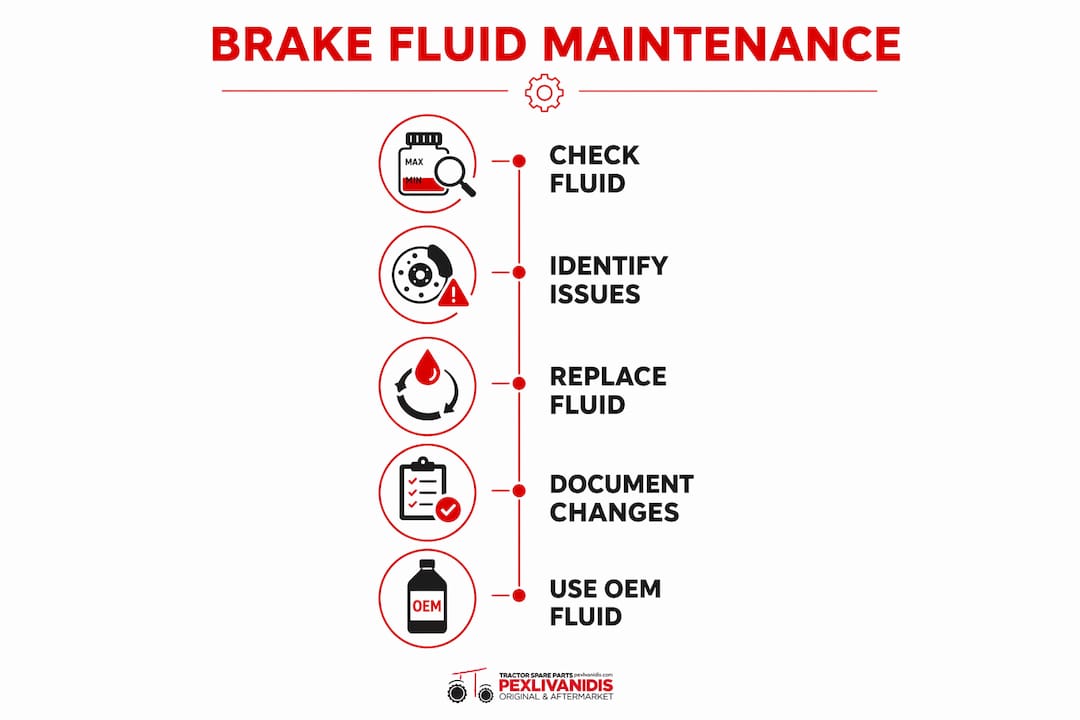
Brake problems in New Holland tractors are most often caused by air contamination, hydraulic leaks, and degraded fluid. Recognizing the right symptom early saves you from replacing parts that are not actually worn out.
The most common diagnostic pitfall is replacing brake pads when the real problem is contaminated hydraulic fluid. Experts recommend checking fluid condition and running hydraulic pressure tests before touching any mechanical brake components. This single habit prevents hundreds of dollars in unnecessary repairs.
Symptoms that point to a fluid problem
Follow this sequence when your brakes feel off:
- Check the brake pedal feel. A soft or spongy pedal on a New Holland T6 or similar model almost always signals internal leakage or air in the hydraulic circuit, not pad wear. Spongy pedals indicate internal leakage rather than mechanical wear.
- Inspect the fluid reservoir. Low fluid level confirms a leak somewhere in the system. Dark, murky, or debris-filled fluid confirms contamination.
- Check for uneven braking force. If one side brakes harder than the other, suspect a blocked or leaking line on the weaker side.
- Run a pressure test. A hydraulic pressure gauge connected to the brake circuit will confirm whether the system is holding spec pressure. A drop under load points to a failing seal or valve.
- Inspect for external leaks. Look at hose connections, the master cylinder, and the brake valve housing for wet spots or dried fluid residue.
Fluid condition reference table
| Fluid Appearance | What It Means | Recommended Action |
|---|---|---|
| Clear or light amber | Fluid is in good condition | Top up if low, monitor level |
| Dark brown or black | Oxidation and contamination | Full flush and fluid replacement |
| Milky or cloudy | Water or moisture intrusion | Immediate flush, inspect seals |
| Debris visible | Seal fragments or dirt | Flush, replace filters, inspect seals |
Contaminated brake fluid with moisture and debris accelerates seal deterioration and brake valve malfunction. Left unchecked, this reduces braking efficiency to the point of failure during field operation, which is exactly when you cannot afford it.
Pro Tip: Pull a small fluid sample from the reservoir into a clear glass jar. Hold it up to daylight. If you cannot see through it clearly, the fluid needs to be replaced before your next heavy work session.
For a broader look at common tractor hydraulic issues, Pexlivanidis has a detailed breakdown of causes and solutions that applies directly to New Holland brake system diagnosis.
Best practices for new holland brake fluid maintenance
Proper maintenance of your tractor’s brake fluid is not complicated, but it requires consistency. The wet brake design used in New Holland tractors means brake fluid degradation also affects transmission performance. You are maintaining one shared system, not two separate ones.
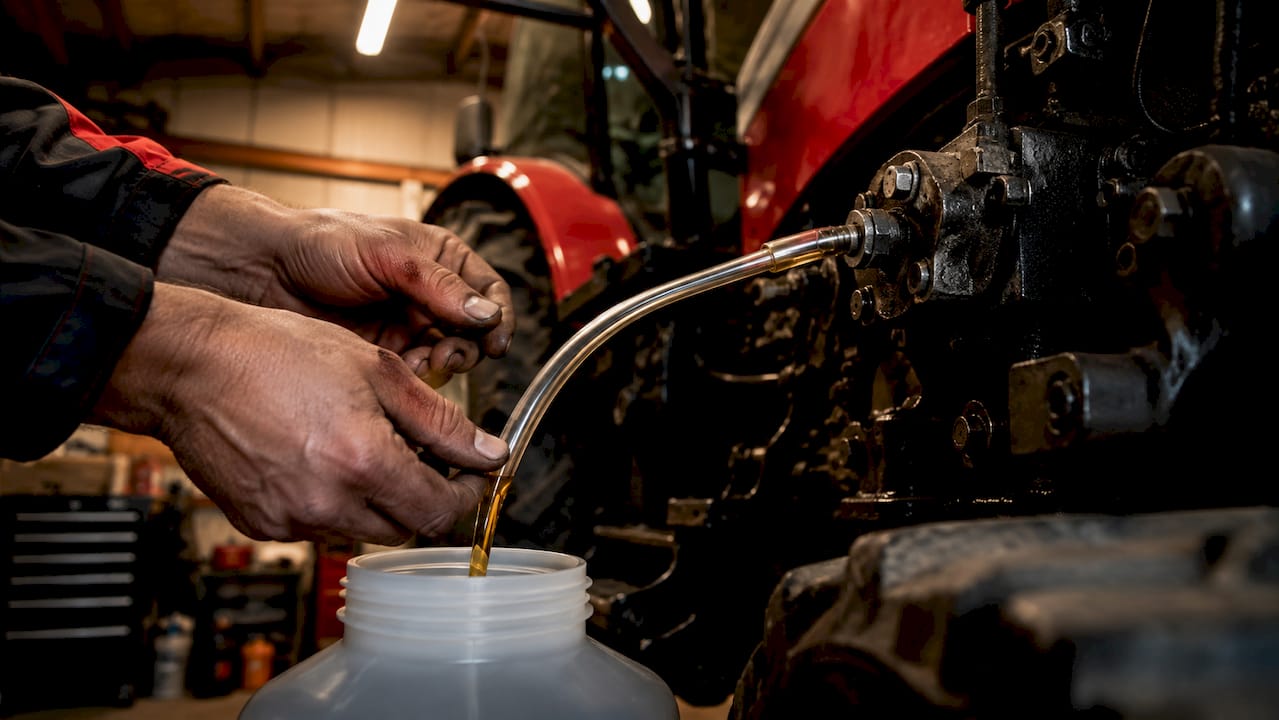
Using the wrong brake fluid or skipping filter changes can cause total brake and transmission failure. That is not an exaggeration. It is the documented outcome when maintenance is deferred too long or the wrong product is used.
Maintenance schedule and best practices
Follow these guidelines to keep your brake system in reliable condition:
- Inspect fluid level and condition at the start of every season and after any heavy use period. Do not wait for symptoms.
- Replace fluid completely every two years or per your New Holland service manual interval, whichever comes first. Moisture absorption increases over time regardless of appearance.
- Replace hydraulic filters on schedule. Dirty filters allow debris to circulate through the brake circuit and accelerate seal wear.
- Use only CNH MAT 3630-B spec fluid. Do not substitute with generic hydraulic oils, even if they appear similar. Generic oils often lack the specific seal compatibility properties required.
- Never top up with DOT fluid under any circumstance. Even a small amount of DOT 3 or DOT 4 mixed into a mineral-based system begins attacking seals immediately.
- Flush completely before switching fluid batches. Even compatible LHM+ fluids from different manufacturers should not be partially mixed without a full drain first.
- Consider seasonal viscosity. LHM+ fluids carry a low pour point rating, making them suitable for cold-weather operation. In extreme cold climates, verify your fluid’s pour point against your lowest expected operating temperature.
Pro Tip: Keep a dated maintenance log for every fluid change. New Holland service intervals are time and usage based. A log protects you during warranty claims and helps you spot patterns before they become failures.
Moisture is the silent killer in hydraulic brake systems. Brake fluid absorbs water from the atmosphere over time, lowering its boiling point and promoting internal corrosion. This is why visual inspection alone is not enough. Scheduled replacement is the only reliable protection.
For more detail on tractor maintenance schedules and how they apply to hydraulic systems, Pexlivanidis covers the full range of service intervals for New Holland and other agricultural equipment.
Where to buy authentic new holland brake fluid
Buying the correct fluid means more than finding a product labeled “hydraulic oil.” You need to verify the OEM specification and confirm the part number before purchasing.
The authentic New Holland hydraulic brake fluid carries OEM part number 73340450. This number applies to New Holland and Versatile tractor applications. When you see this part number on the label or in a supplier’s catalog, you can confirm the product meets CNH MAT 3630-B requirements.
What to check before you buy
- Part number: Look for 73340450 on the label or in the product listing
- Specification: Confirm CNH MAT 3630-B is listed on the data sheet or packaging
- Supplier type: Buy from authorized New Holland dealers, established agricultural parts suppliers, or verified OEM distributors
- Price range: Expect to pay roughly $16.50–$20 per liter for genuine product. Prices significantly below this range are a red flag for counterfeit or off-spec fluid
- Packaging integrity: Check that the seal is unbroken and the label is professionally printed. Counterfeit fluids often have blurry text or inconsistent label formatting
Supplier comparison
| Supplier Type | Advantages | Risks |
|---|---|---|
| Authorized New Holland dealer | Guaranteed OEM spec, full traceability | Higher price, limited locations |
| Established ag parts distributor | Competitive pricing, broad inventory | Verify spec compliance before purchase |
| Online marketplace (eBay, etc.) | Convenient, price comparison possible | Higher counterfeit risk, verify seller rating |
| Generic farm supply store | Accessible | May not stock CNH MAT 3630-B spec fluid |
Counterfeit or off-spec fluids are a real problem in the agricultural parts market. A fluid that looks identical but lacks the correct additive package will still destroy your seals. The cost of a liter of correct fluid is trivial compared to a master cylinder replacement or a transmission rebuild.
Key takeaways
New Holland brake fluid must meet the CNH MAT 3630-B mineral-based specification, and using any DOT synthetic fluid in its place causes immediate, irreversible seal damage across the entire brake and transmission system.
| Point | Details |
|---|---|
| Fluid specification matters | Only CNH MAT 3630-B mineral-based fluids like LHM+ are compatible with New Holland brake systems. |
| DOT fluids are destructive | DOT 3, 4, or 5 fluids destroy rubber seals and cause immediate brake system failure if used. |
| Diagnose before replacing parts | Check fluid condition and hydraulic pressure before replacing brake pads or mechanical components. |
| Schedule regular fluid changes | Replace brake fluid every two years and inspect condition at the start of every season. |
| Verify OEM part numbers | Authentic New Holland brake fluid carries part number 73340450 and costs roughly $16.50–$20 per liter. |
What i have learned from years of watching farmers get this wrong
The single most common mistake I see is operators treating their New Holland tractor like a car. They walk into a parts store, ask for brake fluid, and walk out with a bottle of DOT 4. It feels logical. It is completely wrong.
New Holland’s wet brake design integrates the brake circuit directly with the transmission hydraulics. That means the fluid doing your braking is the same fluid lubricating your transmission components. When you pour DOT 4 into that system, you are not just affecting your brakes. You are attacking every rubber seal in your transmission at the same time. I have seen operators lose both systems in a single season because of this one error.
The second mistake is skipping the pressure test during diagnosis. A spongy pedal almost never means worn pads on a New Holland. It means air or internal leakage. Replacing pads without checking hydraulic pressure is like changing your tires because your engine is misfiring. The symptom and the cause are not connected. Troubleshooting your brake system with a structured diagnostic process saves time and money every single time.
My honest advice: buy the correct fluid once, change it on schedule, and log every service. The farmers I have seen avoid major brake failures are not doing anything exotic. They are just consistent.
— George
Get the right parts from Pexlivanidis
Pexlivanidis stocks over 20,000 agricultural machinery parts, including brake system components and hydraulic service parts for New Holland tractors and other major brands. Whether you need OEM-spec brake fluid, replacement seals, or hydraulic filters, the catalog covers the full range of what your maintenance schedule demands. Pexlivanidis serves customers across Thessaloniki, Kavala, and the wider Greek agricultural region, with free shipping on orders over 100€ within Greece. For a full overview of the brake and hydraulic components available, start with the essential agricultural machinery parts guide. You can also explore the agricultural machinery maintenance guide for service schedules and fluid care recommendations specific to your equipment.
FAQ
What type of brake fluid does new holland use?
New Holland tractors require mineral-based hydraulic fluid meeting the CNH MAT 3630-B specification, commonly sold as LHM+. This fluid is not interchangeable with automotive DOT 3, DOT 4, or DOT 5 brake fluids.
Can i use DOT 4 brake fluid in a new holland tractor?
No. DOT 4 is a synthetic glycol-based fluid that is chemically incompatible with New Holland hydraulic systems. It destroys rubber seals in the master cylinder, slave cylinder, and transmission circuit on contact.
How often should i change brake fluid in a new holland tractor?
Replace brake fluid every two years as a baseline, or follow the interval specified in your New Holland service manual. Inspect fluid condition visually at the start of every season regardless of the scheduled interval.
What is the OEM part number for new holland brake fluid?
The authentic New Holland hydraulic brake fluid carries OEM part number 73340450. This part number confirms CNH MAT 3630-B compliance and applies to New Holland and Versatile tractor applications.
Why is my new holland tractor brake pedal spongy?
A spongy brake pedal on a New Holland tractor almost always indicates air contamination or internal hydraulic leakage, not worn brake pads. Check fluid level, inspect for leaks, and run a hydraulic pressure test before replacing any mechanical components.