

Every farmer knows the frustration of a tractor breakdown during critical planting or harvest windows. Unexpected downtime can cost thousands in lost productivity and emergency repairs. The good news is that most tractor failures give clear warning signs before they escalate into major problems. Learning to recognize these early indicators helps you schedule repairs proactively, maintain peak performance, and avoid the stress of catastrophic equipment failures. This guide walks you through the essential signs that your tractor needs attention, helping you protect your investment and keep your operation running smoothly.
Table of Contents
- How To Identify Signs Your Tractor Needs Repair
- Top Signs Your Tractor Needs Repair
- Comparing Severity And Urgency Of Tractor Repair Signs
- Optimize Tractor Upkeep With Expert Support
- Frequently Asked Questions
Key takeaways
| Point | Details |
|---|---|
| Early detection saves money | Recognizing repair signs before major failure prevents costly emergency repairs and downtime. |
| Fuel consumption matters | Increased fuel use signals engine wear or fuel system problems requiring attention. |
| Listen for unusual sounds | Grinding, knocking, or squealing noises often indicate mechanical wear or component failure. |
| Monitor fluid levels | Visible leaks and drops in performance suggest urgent seal or gasket issues. |
| Track performance changes | Power loss, stalling, or handling changes reveal developing engine or transmission problems. |
How to identify signs your tractor needs repair
Successful tractor maintenance starts with systematic observation. You need to establish baseline performance metrics for your equipment, then monitor for deviations that signal developing problems. Regular checks create a reference point that makes abnormal conditions stand out clearly.
Start by tracking your tractor’s fuel consumption patterns. Record how many hours you get per tank under typical working conditions. Fuel delivery system issues often manifest as gradual increases in consumption that you might miss without baseline data. A sudden jump of 15 to 20 percent typically indicates engine wear, clogged filters, or injector problems.
Your ears provide critical diagnostic information. Develop the habit of listening to your tractor’s normal operating sounds during startup, idle, and under load. Any new noise represents a change in mechanical condition. Grinding suggests metal-on-metal contact from worn bearings or gears. Knocking often points to engine problems like worn piston rings or valve issues. Squealing typically indicates belt or pulley problems.
Visual inspections catch many problems before they worsen. Walk around your tractor before and after each use, looking underneath for fresh fluid spots. Check engine oil, hydraulic fluid, coolant, and fuel lines for dampness or drips. Examine belts and hoses for cracks, fraying, or unusual wear patterns.
Pay attention to exhaust characteristics. Normal diesel exhaust appears as a light haze under load. Black smoke indicates incomplete combustion from air filter blockage or injector problems. Blue smoke signals oil burning from worn piston rings or valve seals. White smoke often means coolant entering the combustion chamber through a blown head gasket.
Monitor how your tractor handles and responds. Note any changes in steering feel, brake performance, or power delivery. Hesitation during acceleration, difficulty maintaining speed on hills, or unexpected stalling all indicate developing problems that need diagnosis.
Pro Tip: Keep a simple logbook in your tractor cab to record fuel usage, unusual sounds, and performance changes with dates. This documentation helps you spot gradual trends and provides valuable information for your mechanic during repairs.
Establish a weekly inspection routine covering these key areas:
- Check all fluid levels and look for leaks or contamination
- Listen for new or changing noises during operation
- Monitor fuel consumption against your baseline figures
- Test all controls and safety systems for proper function
- Inspect tires, belts, and visible components for wear
For more detailed guidance on establishing effective monitoring routines, explore our maintenance tips for tractors that cover systematic inspection approaches.
Top signs your tractor needs repair
Certain symptoms demand immediate attention because they indicate conditions that can rapidly worsen into expensive failures or safety hazards. Understanding these critical signs helps you prioritize maintenance actions effectively.
Increased fuel consumption ranks among the most common early warning signs. When your tractor suddenly needs 20 percent more fuel to complete the same work, something has changed in the combustion or fuel delivery process. Worn fuel injectors spray irregular patterns that waste diesel. Clogged air filters starve the engine of oxygen, forcing it to burn more fuel for the same power output. A failing high-pressure fuel pump struggles to maintain proper injection pressure, reducing efficiency significantly.
Strange mechanical noises never fix themselves. A grinding sound from the transmission indicates gear teeth wearing abnormally or bearing failure. Knocking from the engine compartment often signals piston slap from excessive cylinder wear or connecting rod bearing problems. Squealing during operation typically points to slipping belts or seized pulleys. Clicking sounds from the valve train suggest improper clearances or worn rocker arms. Each of these conditions worsens with continued operation, turning a moderate repair into a major overhaul.
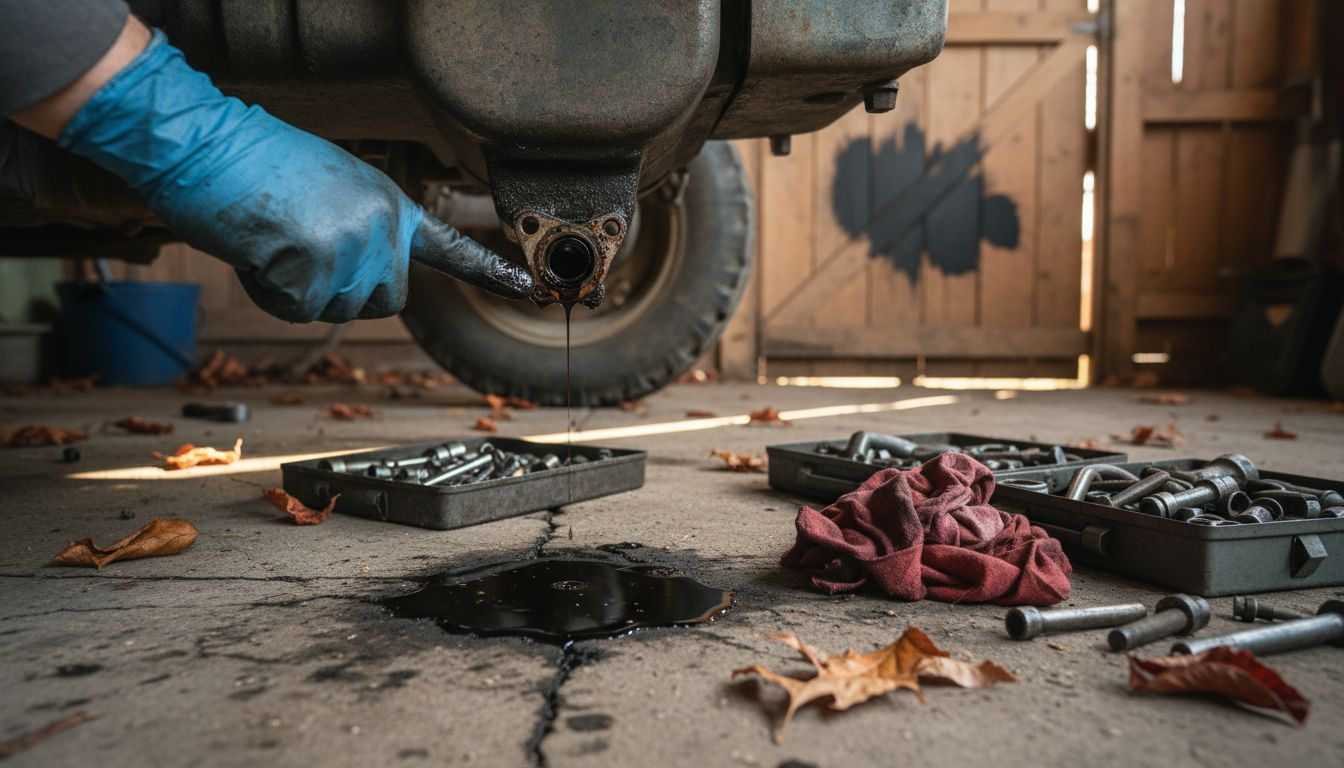
Fluid leaks require prompt investigation. Engine oil pooling under your tractor suggests failed gaskets, worn seals, or cracked housings. Hydraulic fluid leaks reduce system pressure, causing implements to operate sluggishly or fail completely. Coolant leaks lead to overheating that can warp cylinder heads or crack engine blocks. Fuel leaks create fire hazards and environmental contamination. Even small leaks indicate seal degradation that will accelerate without intervention.
Power loss manifests in several ways. Your tractor may struggle to pull loads it previously handled easily. Engine RPMs might drop unexpectedly under load. Acceleration becomes sluggish or unresponsive. These symptoms point to ignition system problems, fuel delivery issues, or internal engine wear. A tractor that stalls frequently likely has carburetor problems, fuel contamination, or electrical system faults affecting spark timing.
Excessive smoke provides visible evidence of combustion problems. Black exhaust indicates too much fuel relative to available air, often from clogged filters or malfunctioning injectors. Blue smoke means oil entering the combustion chamber through worn piston rings, damaged valve seals, or a failed turbocharger. White smoke typically signals coolant burning from head gasket failure or cracked cylinder heads. Each color tells a specific diagnostic story.
Pro Tip: Take a short video of unusual noises or smoke with your phone and show it to your mechanic. This helps them prepare the right tools and parts before you bring the tractor in, reducing diagnostic time and costs.
Here are the most critical repair signs organized by system:
- Engine performance: Power loss, excessive smoke, unusual knocking or grinding sounds
- Fuel system: Consumption increases, hard starting, rough idle, black exhaust
- Hydraulic system: Sluggish implement response, fluid leaks, inconsistent lift capacity
- Electrical system: Difficult starting, dimming lights, intermittent gauge readings
- Transmission: Grinding during shifts, slipping gears, unusual whining sounds
| Sign | Typical Cause | Urgency Level |
|---|---|---|
| Grinding noise | Bearing or gear wear | High |
| Fuel use up 20% | Injector or filter issues | Medium |
| Oil leaks | Failed gaskets or seals | High |
| Blue smoke | Piston ring wear | Medium |
| Power loss | Multiple potential causes | High |
For comprehensive repair strategies addressing these common issues, review our tractor repair tips covering systematic troubleshooting approaches.
Comparing severity and urgency of tractor repair signs
Not all repair signs demand the same response timeline. Understanding which symptoms require immediate action versus scheduled maintenance helps you allocate resources effectively and prevent unnecessary downtime.
Urgent signs indicate conditions that pose safety risks or threaten imminent catastrophic failure. These require you to stop operation immediately and arrange repairs before resuming work. Brake system problems fall into this category because they directly affect operator safety. Severe oil leaks that rapidly deplete the crankcase can destroy an engine within minutes of running dry. Coolant system failures lead to overheating that warps metal components, turning a simple radiator repair into an engine rebuild.
Moderate priority signs indicate developing problems that will worsen but allow time for scheduled repairs. Increased fuel consumption from worn injectors rarely causes sudden failure, giving you time to order parts and schedule service during a slower period. Minor hydraulic leaks that lose a few drops per hour can wait for your next planned maintenance window, though you should check fluid levels more frequently. Unusual noises that appear only under specific conditions often indicate wear that needs attention within weeks rather than hours.
Low priority signs represent normal wear items requiring monitoring and eventual replacement on a predictable schedule. Belt cracks that haven’t caused slipping yet can wait for your next service interval. Tire wear that reduces traction but remains safe for current conditions can be addressed during seasonal maintenance. These items belong on your maintenance checklist but don’t justify interrupting critical field work.
The following comparison helps you categorize symptoms by urgency:
| Severity | Example Signs | Recommended Action | Timeline |
|---|---|---|---|
| Critical | Brake failure, severe leaks, overheating | Stop operation immediately | Same day |
| High | Power loss, transmission grinding, electrical problems | Schedule urgent repair | Within 3 days |
| Medium | Fuel efficiency drop, minor leaks, unusual sounds | Plan maintenance soon | Within 2 weeks |
| Low | Belt wear, tire condition, cosmetic issues | Include in next service | Next scheduled maintenance |
Some signs escalate quickly from low to critical priority. A small coolant leak might seem minor, but if it suddenly worsens during operation, you face immediate overheating risk. This unpredictability makes regular monitoring essential even for lower-priority items.
Pro Tip: Create a simple priority system using colored tags or markers. Red means stop and repair now, yellow means schedule service this week, green means monitor and address at next maintenance. This visual system helps you track multiple issues across your equipment fleet.
Context matters when assessing urgency. A minor hydraulic leak on a tractor used daily for critical operations deserves faster attention than the same leak on backup equipment. Similarly, symptoms appearing during peak season may require temporary workarounds until you can schedule proper repairs during slower periods.
Consider these factors when prioritizing repairs:
- Safety implications for operators and bystanders
- Risk of secondary damage from continued operation
- Impact on productivity and time-sensitive farm operations
- Availability of backup equipment to maintain workflow
- Parts availability and repair complexity
Our preventative maintenance guide provides detailed schedules for addressing different priority levels systematically, helping you balance immediate needs with long-term equipment health.
Optimize tractor upkeep with expert support
Recognizing repair signs represents just the first step in maintaining reliable tractor performance. Access to quality parts, expert guidance, and proven maintenance strategies helps you address problems efficiently before they escalate into costly failures.
Pexlivanidis offers comprehensive resources specifically designed for Greek farmers managing agricultural equipment. Our extensive inventory includes over 20,000 genuine parts for all major tractor brands, ensuring you can source the exact components needed for proper repairs. Whether you need fuel system components, hydraulic seals, engine parts, or electrical system elements, we maintain stock levels that support quick turnaround times.
Our technical guides provide detailed maintenance procedures covering everything from routine service to complex repairs. Explore our agricultural machinery maintenance guide for systematic approaches to equipment care. Learn about component functions and replacement intervals in our agricultural machinery parts explained resource. For ongoing maintenance strategies, our agricultural machinery maintenance tips deliver practical advice you can implement immediately.
Frequently asked questions
What are the most common signs that a tractor needs repair?
The most frequent warning signs include increased fuel consumption, unusual mechanical noises like grinding or knocking, visible fluid leaks, power loss during operation, and excessive exhaust smoke. These symptoms typically indicate problems with the engine, fuel system, hydraulic components, or transmission that require professional diagnosis and repair.
How can I tell if my tractor’s fuel consumption is abnormal?
Establish a baseline by tracking fuel usage over several typical work sessions, noting hours of operation per tank. If consumption suddenly increases by 15 to 20 percent without changes in workload or conditions, you likely have engine wear, clogged air filters, or fuel injector problems requiring attention.
Should I continue operating my tractor if I notice unusual noises?
It depends on the noise type and severity. Grinding sounds, loud knocking, or metal-on-metal scraping require immediate shutdown to prevent catastrophic damage. Minor squeaks or rattles that don’t worsen may allow continued operation until scheduled maintenance, but document them and monitor closely for changes.
What do different exhaust smoke colors indicate?
Black smoke signals incomplete combustion from air starvation or excess fuel, often due to clogged filters or injector problems. Blue smoke means oil burning from worn piston rings or valve seals. White smoke typically indicates coolant entering cylinders through head gasket failure or cracked components.
How urgent are small fluid leaks under my tractor?
Small leaks require assessment of the fluid type and leak rate. Engine oil and coolant leaks pose higher risks because they can lead to catastrophic failure if levels drop too low. Hydraulic leaks reduce system performance but rarely cause immediate damage. All leaks worsen over time, so schedule repairs within days to weeks depending on severity.
Can I prevent most tractor repair needs with regular maintenance?
Regular maintenance prevents 60 to 70 percent of common tractor problems by addressing wear before failure occurs. Scheduled oil changes, filter replacements, fluid checks, and component inspections catch developing issues early when repairs cost less and require less downtime than emergency fixes.