
Modern farming technology isn’t just complicated gadgets for large operations. Telematics can cut fuel consumption by 20% while increasing crop yields by roughly 15%. This guide walks you through how telematics works in agriculture, from GPS tracking to real-time machinery monitoring, and reveals practical benefits that smaller Greek farms can leverage today.
Table of Contents
- What Is Telematics In Farming? The Technology Behind Smarter Agriculture
- How Telematics Drives Farm Efficiency And Boosts Crop Yields
- Leveraging Machine Data: Canbus Integration And Real-Time Monitoring
- Choosing And Implementing Telematics Systems: Tips And Challenges For Greek Farmers
- Explore Essential Agricultural Machinery Parts And Maintenance Tips
- Frequently Asked Questions About Telematics In Farming
Key takeaways
| Point | Details |
|---|---|
| Core technology | Telematics combines GPS, sensors, and data platforms to monitor machinery and fields remotely. |
| Fuel and cost savings | Systems reduce fuel usage by up to 20% and increase equipment utilization by 20%. |
| Yield improvements | Precision agriculture powered by telematics boosts crop yields by approximately 15%. |
| Machine optimization | CANbus data monitoring extends equipment life and optimizes performance. |
| Implementation considerations | Choose compatible systems and plan for connectivity challenges in rural areas. |
What is telematics in farming? The technology behind smarter agriculture
Telematics in agriculture refers to sensors, GPS systems, and advanced communication technologies that remotely monitor, manage, and optimize equipment and field operations. Think of it as your farm’s nervous system, constantly sending signals about machinery status, field conditions, and operational efficiency.
The hardware sits directly on your tractors and harvesters. GPS units track location and movement patterns. Sensors measure fuel flow, engine temperature, soil moisture, and dozens of other variables. Communication modules transmit this data wirelessly to centralized platforms where software analyzes patterns and delivers actionable insights.
A typical telematics system consists of GPS devices, sensors, data networks, and centralized platforms. These components work together seamlessly. The GPS pinpoints exact machinery locations. Sensors gather performance metrics. Communication networks relay information to cloud servers. Analysis platforms process everything and present findings through dashboards accessible on smartphones or computers.
Integration with existing agricultural automation systems enhances capabilities further. Modern telematics connects with irrigation controllers, variable rate applicators, and yield monitors. This interconnected approach supports farm automation transforming agriculture across Greece and worldwide.
Key telematics components include:
- GPS modules for precise location tracking and route optimization
- Onboard sensors measuring fuel consumption, engine performance, and environmental conditions
- Wireless communication hardware transmitting data to central servers
- Cloud-based analytics platforms generating reports and alerts
- Mobile applications providing real-time access to farm data
The beauty lies in accessibility. You don’t need advanced technical skills to interpret the insights. Platforms present information through simple graphs, color-coded alerts, and plain language recommendations.
How telematics drives farm efficiency and boosts crop yields
Fuel represents one of farming’s largest variable costs. Telematics reduces consumption by up to 20% through optimized routing and real-time tracking. Systems analyze field layouts, identify inefficient paths, and suggest better routes that minimize overlaps and reduce idle time. GPS guidance prevents duplicate passes and ensures complete field coverage without waste.
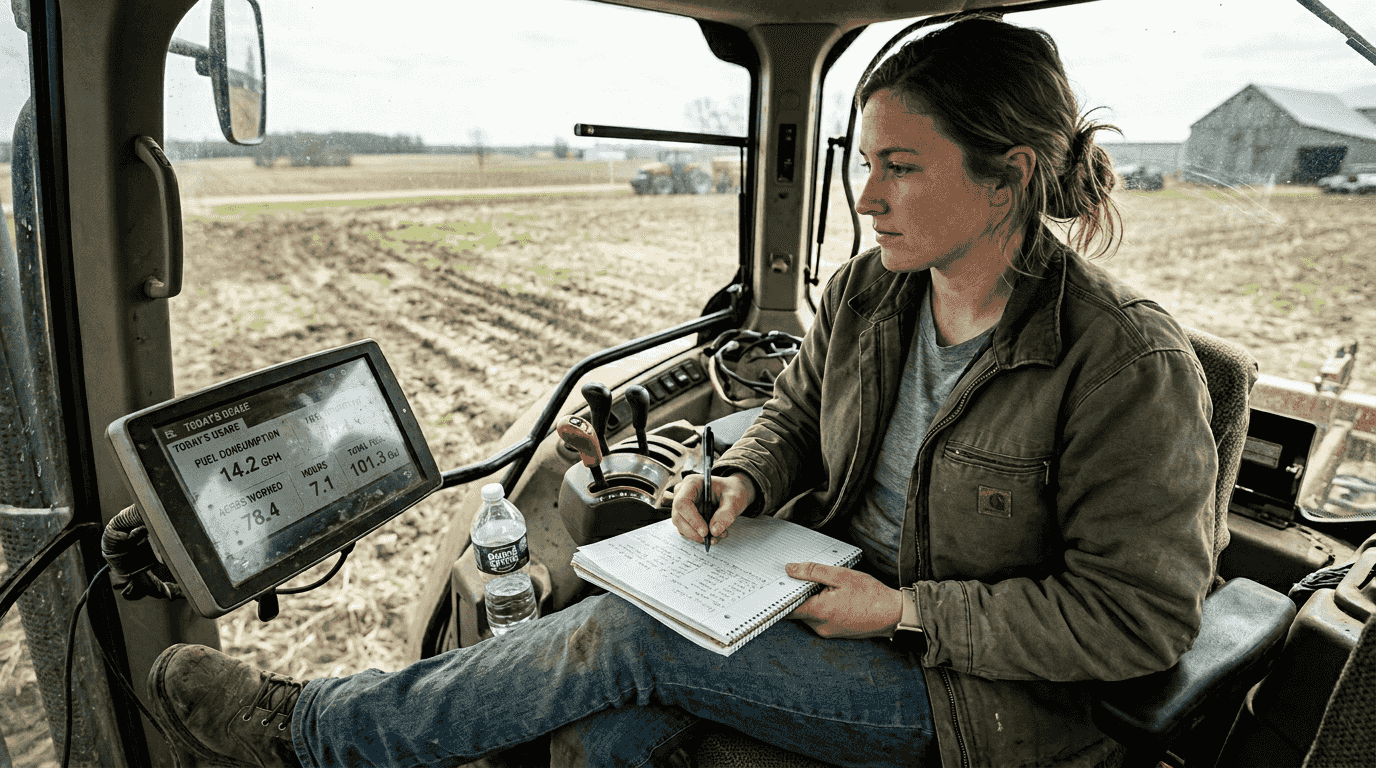
Yield improvements tell an equally compelling story. Precision agriculture technology increases crop yields by 15% on average using data-driven field management. Telematics identifies variability within fields, enabling targeted interventions. Apply fertilizer only where needed. Irrigate based on actual soil moisture rather than guesswork. Plant at optimal depths and spacing guided by precise GPS coordinates.
Equipment utilization jumps significantly too. Telematics can increase farm equipment utilization by 20%, optimizing resource use and reducing operational costs. You’ll know exactly which machines sit idle, which work overtime, and how to balance workloads across your fleet. This insight prevents premature equipment purchases and maximizes return on existing investments.
| Metric | Before Telematics | With Telematics | Improvement |
|---|---|---|---|
| Fuel consumption per hectare | 12 liters | 9.6 liters | 20% reduction |
| Equipment utilization rate | 65% | 78% | 20% increase |
| Average crop yield | 4.5 tons/hectare | 5.2 tons/hectare | 15% increase |
| Maintenance costs per machine | €3,200/year | €2,400/year | 25% reduction |
Maintenance scheduling becomes predictive rather than reactive. Telematics monitors engine hours, tracks service intervals, and alerts you before problems escalate. This prevents costly breakdowns during critical planting or harvest windows. Regular maintenance based on actual usage patterns extends machinery lifespan substantially.
Operator behavior monitoring provides surprising benefits. Data reveals which drivers practice fuel-efficient techniques and which need additional training. Excessive idling, aggressive acceleration, and unnecessary engine strain become visible and correctable. Over time, this improves entire fleet performance.
Greek farmers adopting telematics for precision agriculture boost yields while controlling costs. The technology pays for itself quickly through fuel savings alone, with yield improvements and maintenance reductions adding substantial value.
Pro Tip: Start with one or two machines to test telematics benefits before investing in full fleet coverage. This allows you to understand data interpretation and build confidence in the technology’s value.
Learning to optimize tractor performance becomes easier with continuous feedback from telematics systems.
Leveraging machine data: CANbus integration and real-time monitoring
CANbus technology unlocks detailed machinery insights most farmers never see. CANbus data integration provides detailed insights into machinery performance, including engine speed, fuel consumption, and operator behavior. This automotive-grade communication protocol connects internal machine components, capturing hundreds of data points every second.
Modern tractors and harvesters communicate constantly through CANbus networks. Engine control units, transmission systems, hydraulic controllers, and implement monitors all share information. Telematics systems tap into these conversations, extracting valuable performance metrics without additional sensors.
Real-time monitoring transforms maintenance from guesswork to science. You’ll receive instant alerts about abnormal engine temperatures, hydraulic pressure drops, or transmission issues. Address small problems before they become expensive failures. Schedule service during convenient windows rather than emergency situations.
Operator training improves dramatically with concrete data. Review actual driving patterns, identify inefficient habits, and provide specific coaching. Some operators naturally excel at fuel conservation while others need guidance. Data removes subjectivity from performance discussions.
The CustomCAN feature allows decoding CANbus data from virtually any machine, expanding service portfolios. This flexibility matters enormously for Greek farms running mixed equipment fleets. Older tractors, newer harvesters, and specialized implements can all integrate into one unified monitoring system.
Key CANbus data points include:
- Real-time fuel flow rates identifying consumption patterns
- Engine load percentages revealing efficiency opportunities
- Hydraulic system pressures detecting potential failures
- PTO engagement times tracking implement usage
- Coolant and oil temperatures preventing overheating damage
- Transmission behavior monitoring shift quality and timing
Data granularity surprises most first-time users. You can pinpoint exactly when and where fuel consumption spiked, correlate it with specific field conditions or operator actions, and make targeted improvements.
Pro Tip: Use CANbus data to create custom maintenance schedules based on actual operating conditions rather than generic manufacturer recommendations. Machines working in dusty conditions need more frequent air filter changes, while those in moderate climates can extend intervals safely.
Effective farm fleet management explained requires understanding how telematics and CANbus data work together. This knowledge helps maximize the machinery lifecycle farm equipment by preventing premature wear and scheduling strategic replacements.
Choosing and implementing telematics systems: tips and challenges for Greek farmers
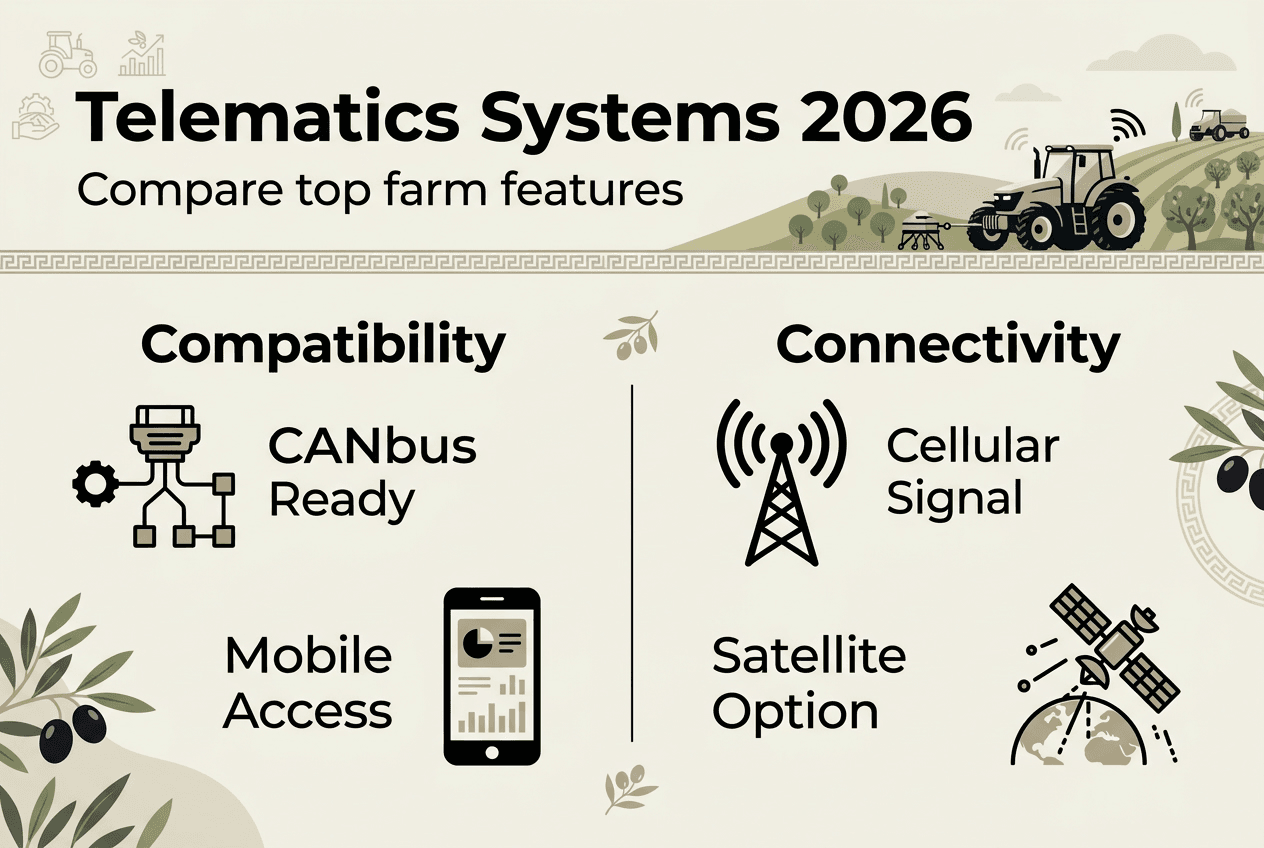
System compatibility determines long-term success or frustration. Farmers should prioritize systems offering seamless data exchange and compatibility with existing farm software. Your telematics platform should integrate with accounting systems, crop planning tools, and equipment dealer service portals. Isolated data silos eliminate much of telematics’ value.
Network connectivity challenges require honest assessment. Many Greek farming regions lack consistent cellular coverage. In areas with poor network connectivity, offline data storage ensures continuous collection. Modern telematics devices buffer data locally, then synchronize automatically when connection returns. Investigate coverage maps before committing to specific systems.
Data privacy and ownership deserve careful attention. Farmers should carefully review data ownership terms when choosing telematics providers. Who owns your operational data? Can providers sell aggregated information to third parties? What happens to your data if you switch systems? These questions matter enormously for protecting competitive advantages.
Evaluating providers requires looking beyond marketing claims. Request demonstrations using your actual equipment types. Ask about local technical support availability in Greece. Understand contract terms, especially regarding hardware ownership and subscription renewals. Cheap initial prices sometimes hide expensive ongoing fees.
Scalability allows growth without system replacement. Choose platforms that handle additional machines, expanded acreage, and new feature adoption. Starting small makes sense, but switching systems later wastes time and money.
Practical implementation considerations:
- Verify cellular coverage across your entire farming operation before selecting wireless systems
- Choose open-platform solutions that avoid vendor lock-in
- Prioritize systems with Greek language support and local customer service
- Ensure compatibility with your specific tractor and implement brands
- Investigate government subsidies or EU programs supporting precision agriculture adoption
- Start with core functions like GPS tracking and fuel monitoring before adding complex features
Training investment pays dividends. Allocate time for yourself and key employees to master the system. Most platforms offer online tutorials, but hands-on practice with your own equipment accelerates learning. Understanding data interpretation separates those who benefit from those who abandon telematics after initial enthusiasm fades.
Internet connectivity solutions exist even for remote areas. Satellite-based systems cost more but provide reliable coverage anywhere. Some farmers install dedicated cellular boosters near equipment storage areas for reliable data synchronization.
Exploring telematics in agriculture reveals additional implementation strategies specific to Greek farming conditions and equipment preferences.
Explore essential agricultural machinery parts and maintenance tips
Telematics reveals when and where machinery needs attention, but quality parts and proper maintenance practices keep everything running smoothly. Understanding agricultural machinery parts explained helps you make informed decisions when telematics alerts indicate service requirements.
Proper maintenance extends equipment life and protects your telematics investment. Learn comprehensive strategies to maintain agricultural machinery guide covering everything from routine inspections to seasonal preparation. Combining telematics insights with expert maintenance knowledge creates powerful synergies.
Discover proven agricultural machinery maintenance tips that complement telematics data. These practical resources help you act on system alerts effectively and prevent issues before they appear in your monitoring dashboard.
Frequently asked questions about telematics in farming
What equipment supports telematics technology on farms?
Most tractors manufactured after 2015 include CANbus systems compatible with telematics hardware. Many combines, sprayers, and planters also support integration. Older equipment can still use telematics through GPS trackers and external sensors, though data depth varies. Universal telematics devices install on virtually any machine regardless of age or brand.
How does telematics improve fuel efficiency specifically?
Telematics tracks routes, identifies overlaps, and eliminates unnecessary travel across fields. GPS guidance prevents duplicate passes and reduces turning time. Real-time feedback alerts operators to excessive idling or inefficient engine loads. Over time, route optimization and operator training based on concrete data reduce fuel consumption by 15 to 20 percent.
Are telematics systems compatible with older farming machinery?
Yes, though data richness differs from newer equipment. Older machines without CANbus still benefit from GPS tracking, engine hour monitoring, and location services. External sensors add fuel flow measurement and basic diagnostics. While you won’t access detailed internal machine data, core telematics benefits like route optimization and utilization tracking work perfectly fine.
What data privacy should farmers expect from telematics providers?
Reputable providers specify data ownership clearly in service agreements. You should retain full ownership of operational data your equipment generates. Review terms regarding data sharing, especially aggregated information sold to third parties. European GDPR regulations provide strong baseline protections. Choose providers with transparent privacy policies and data export capabilities allowing system switches without losing historical information.
Can telematics help smaller farms as well as large operations?
Absolutely. Small farms often see proportionally larger benefits because efficiency gains matter more when margins are tight. Starting with basic GPS tracking and fuel monitoring requires minimal investment. Even monitoring two or three machines reveals optimization opportunities. Scalable systems let you add capabilities as benefits justify costs, making telematics accessible regardless of farm size.